Tag: Dog Health

Dog Health – Poop Patrol Essex

At Poop Patrol, we know that caring for your dog’s health is about more than just daily walks and the right food – it’s also about keeping their environment clean, safe, and free from harmful bacteria. Based in Essex and serving areas such as Colchester, Clacton-on-Sea, Frinton, Harwich, Alresford, Wivenhoe, Dedham, and Walton-on-the-Naze, our professional dog waste removal service helps families, homeowners, and pet lovers create healthier outdoor spaces for their pets and their people.

Why Dog Health Matters Every Day

Dog health is influenced by everything from diet and exercise to hygiene and routine veterinary care. One area that’s often overlooked is the impact of dog waste. Left uncollected, dog mess isn’t just unpleasant – it can harbour dangerous parasites and bacteria such as E. coli, salmonella, and roundworms, which can pose risks to dogs, other pets, and even children playing in the garden. By keeping your garden or shared outdoor space clean, you’re giving your dog the best chance to thrive in a healthy environment.

How Poop Patrol Supports Dog Health in Essex

Our service is designed to make pet ownership easier while directly supporting your dog’s wellbeing. We visit your property on a schedule that suits you – whether that’s weekly, fortnightly, or on demand – and thoroughly clear and sanitise affected areas. This means your dog always has a clean, hygienic space to enjoy.

The key benefits include:

  • Reduced risk of illness – A clean environment helps protect your dog from harmful parasites and bacteria.

  • Safe play spaces – Whether you have kids, other pets, or frequent visitors, our work ensures your garden remains safe and welcoming.

  • Stress-free ownership – No more worrying about messy clean-ups; we do the hard work so you can spend quality time with your pet.

  • Local expertise – As an Essex-based business, we understand the needs of dog owners across Colchester, Clacton, Frinton, Harwich, Dedham, and Walton-on-the-Naze.

Dog Health Tips for Essex Pet Owners

Beyond waste removal, here are some simple steps every dog owner can take to support their dog’s health:

  • Regular exercise – Make the most of Essex’s parks, beaches, and countryside to give your dog fresh air and exercise.

  • Balanced diet – Choose food that matches your dog’s breed, size, and energy levels.

  • Routine vet visits – Annual check-ups and vaccinations are essential for long-term health.

  • Parasite prevention – Stay up to date with worming and flea treatments.

  • Hygienic living spaces – Keep gardens and outdoor areas clean with the help of services like Poop Patrol.

Poop Patrol – Always There for Dog Health

Our motto is simple: we’re here to make pet ownership cleaner, easier, and healthier. With a friendly team, affordable service packages, and coverage across Essex towns including Colchester, Clacton, Frinton, Dedham, Harwich, and Walton, Poop Patrol is the trusted choice for families who care about dog health and a cleaner community.

For fresher gardens, safer play areas, and healthier dogs, Poop Patrol is #AlwaysThere.

Walk Your Dog Month: Boost Health & Happiness for You and Your Pup

Walk Your Dog Month: Boost Health & Happiness for You and Your Pup

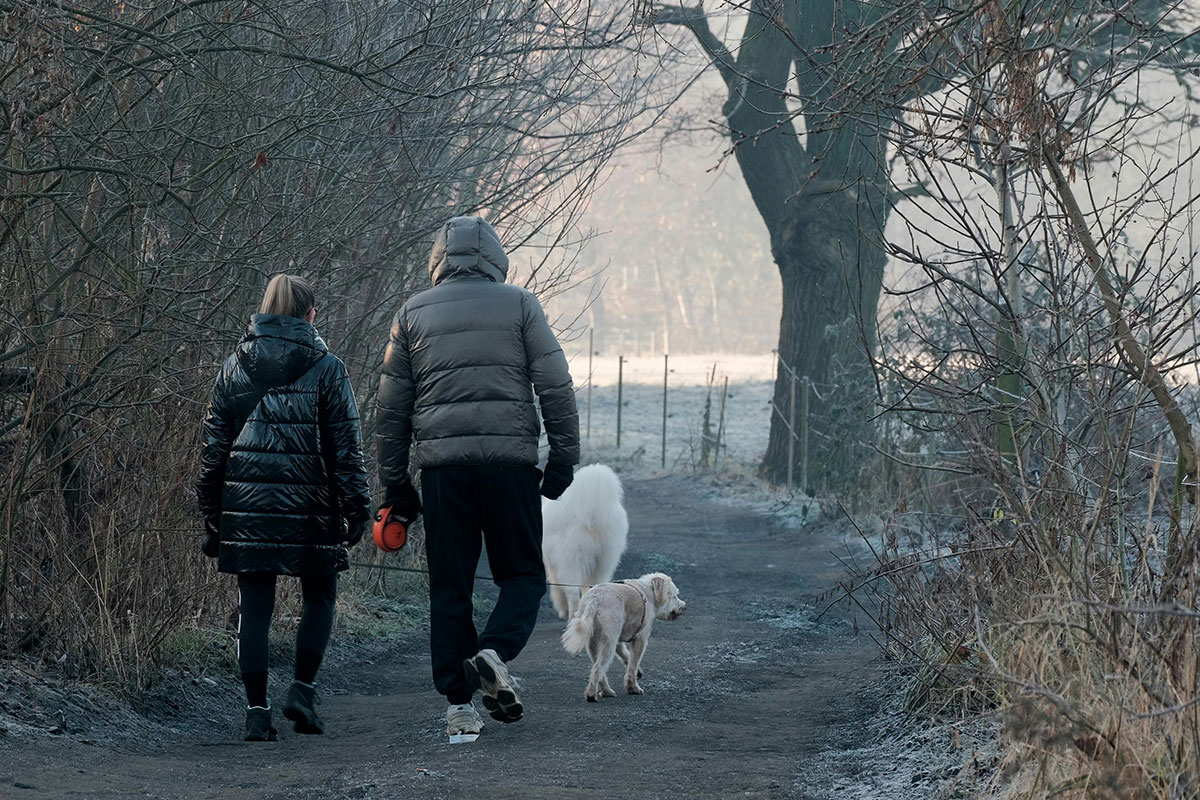
January is Walk Your Dog Month, a perfect opportunity to celebrate daily strolls with your four-legged friend and make the most of this simple yet powerful ritual early in the year. Whether you’re in North Essex, South Suffolk, or beyond, regular dog walks can transform both you and your dog’s wellbeing—mentally, physically, and emotionally.

Poop Patrol take a look at Walk Your Dog Month and how it can offer you some fantastic experiences with your four-legged friends

Why Walk Your Dog Month Matters

Physical Health Benefits for Dogs and Owners
Daily walks are essential for dogs of all ages and breeds, helping maintain a healthy weight, support joints and muscles, and reduce the risk of multiple health issues like arthritis or diabetes. In the UK, around 51% of dogs are considered overweight or obese, with walk routines playing a major role in managing canine weight and vitality.

It’s not just your dog that wins: studies show dog owners are generally more active than non-owners, averaging around 240 minutes of activity per week compared to 180 minutes for people without dogs. Owners also report feeling less stressed and happier after walks, showing the benefits go both ways.

Mental Stimulation and Bonding
Walks are sensory adventures for dogs—full of new sounds, smells, and sights that offer essential mental enrichment. For humans, stepping outside in the fresh air helps reduce stress, boosts mood, and can even improve cardiovascular fitness.

Routine matters too: knowing your dog thrives on structure can motivate you to stick with daily activity, which improves both behaviour and wellbeing for you and your pooch.

Tackling the UK Winter

January in the UK can be cold and dark, but Walk Your Dog Month is the perfect excuse to embrace winter walks with a sense of purpose. Dressing your dog appropriately, using reflective gear in low light, and protecting paws from grit and ice will make outings safer and more enjoyable.

It’s also worth noting that during winter many owners report signs of lethargy or behaviour changes in their dogs if walks are shortened or skipped—but the simple act of heading out together can lift both your spirits.

Our Favourite Walk: Alresford Circular

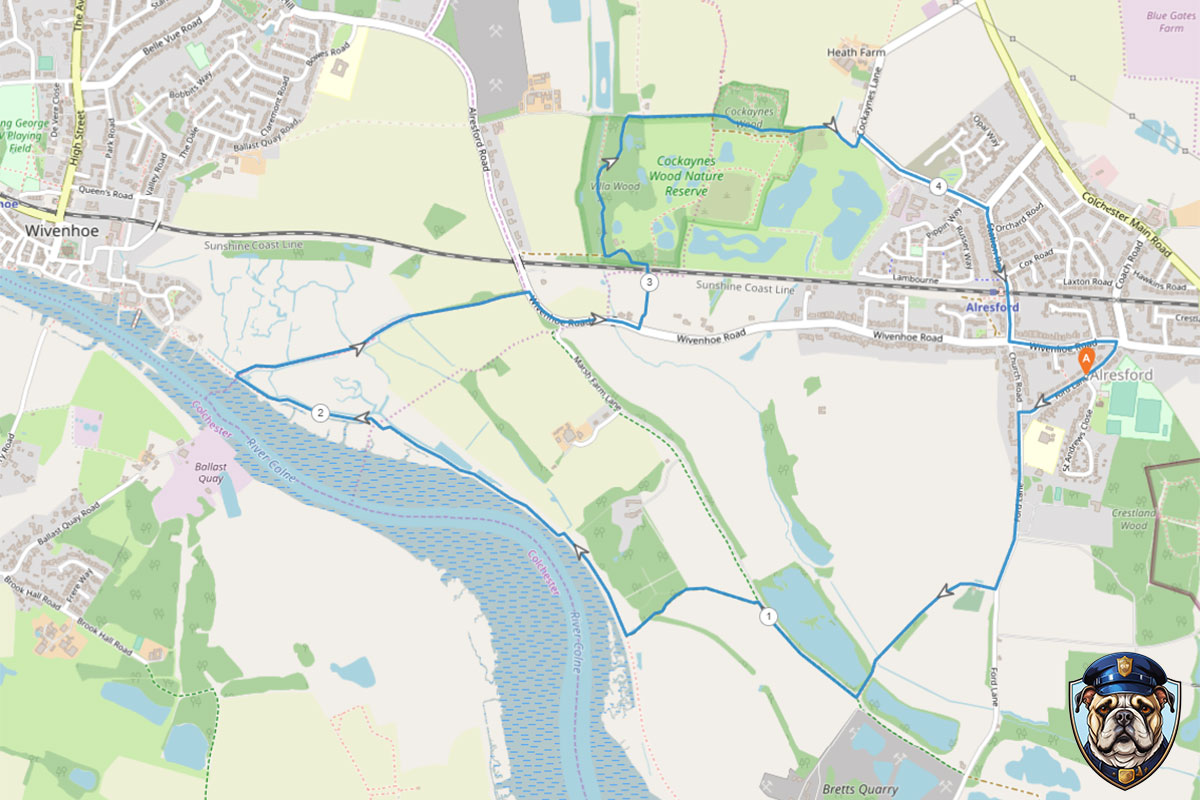
One of our favourite walks in the region starts in the centre of Alresford, parking at the Village Hall. This 5km circular route simply has it all; historical sights, River Colne views, a choice of lovely pubs in Wivenhoe and then a grand finale of the lovely Cockaynes Wood.

The walk is perfect for all seasons: wide open spaces make it ideal for sniffing and exploration, woodland sections allowing for some respite in wintry conditions and the river and those views keep you refreshed and energised. Many local dog walkers tell us this route has become part of their daily routine precisely because it strengthens the bond with their dog and feels like a breath of fresh air for the soul too.

As you explore this walk—or create your own local route—keep in mind that every kilometre walked is a win for your dog’s health, behaviour, and happiness.

As we said, park at the village hall in Alresford, and follow the route in the map below. When you reach the right turn along the river bank to head up towards Cockaynes Wood, you have the option to continue on a short way to walk into Wivenhoe. Here you can take a break crabbing in the summer, or visiting either the Rose and Crown or Black Buoy pubs – both of which offer fantastic food and drinks.

January is Walk Your Dog Month, this is our favourite North Essex walk. A circular route starting and finishing in Alresford, but taking in open fields, woodland, riverside and a nature reserve - all within 5KM!

Tips to Make the Most of Walk Your Dog Month

  • Set a daily walking goal – aim for consistent, even short, walks rather than sporadic long ones.

  • Vary your route – new surroundings equal new mental stimulation.

  • Bring treats and toys – reward positive behaviour and keep walks fun.

  • Stay safe – use reflective gear in low light and be mindful of winter hazards.

Closing Thoughts

Walk Your Dog Month is more than a calendar event—it’s a chance to build a healthier, happier lifestyle for both you and your dog. By setting a positive walking routine in January, you’re giving your pup the gift of stimulation, fitness, and joy while improving your own wellbeing too. Ready to make this Walk Your Dog Month one to remember?

Call Poop Patrol today at 0800 148 8088 or visit our contact form to share your favourite walks or find out how we can help keep local spaces clean throughout your adventures.

Name
How Many Dogs Do You Have?
Do You Require De-Odourising Services As Well?
Do You Want To Hear More From Us?
Communications Preferences
By agreeing to this, I agree to receiving updates about our services, promotions, special offers, news and events from Infinity ProServ Ltd (T/a Poop Patrol) and any sister companies.

Continue reading

Got a Dog for Christmas? A New Owner’s Guide to Responsible Dog Ownership

Got a Dog for Christmas? A New Owner’s Guide to Responsible Dog Ownership

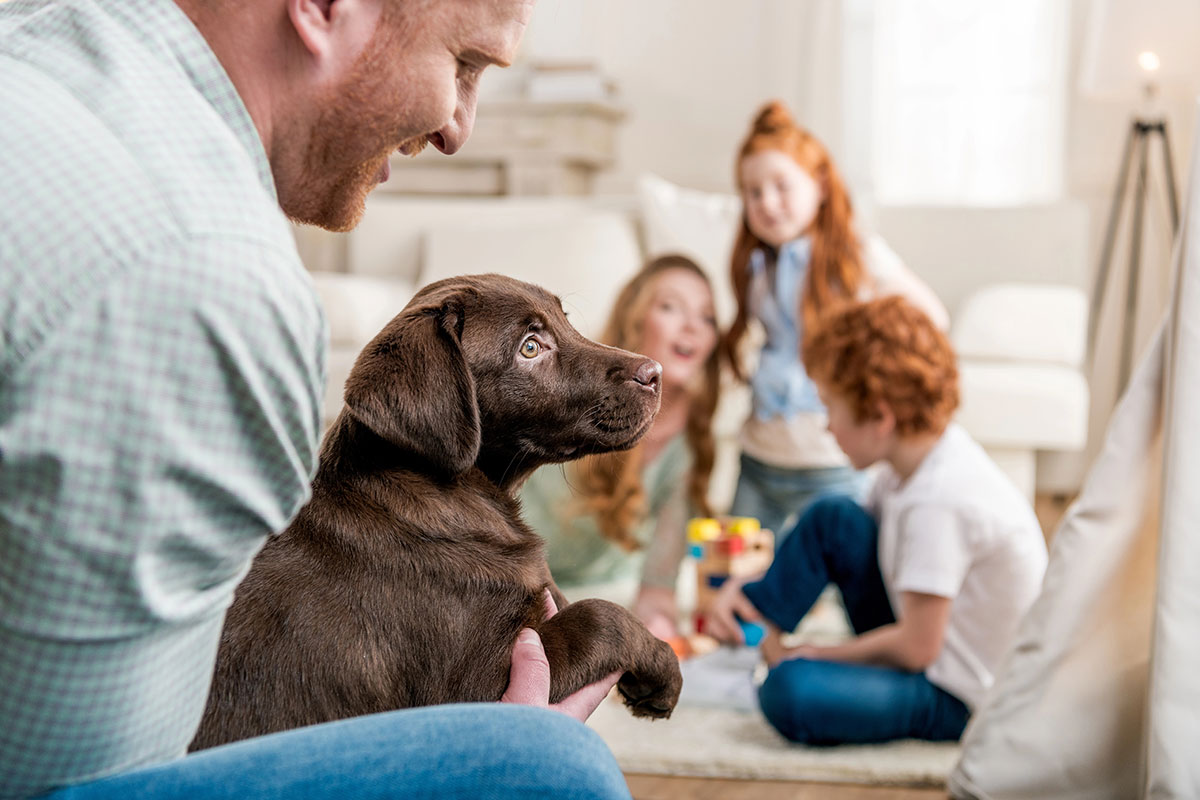
Bringing a dog into your home at Christmas is exciting, emotional and often unforgettable. But once the decorations come down and routines return, many new owners quickly realise that responsible dog ownership involves far more than food bowls and festive photos.

From training and health to home hygiene and outdoor spaces, a new dog changes how your household works. This guide is designed to help UK homeowners understand the most common challenges — and how to manage them calmly, practically and responsibly.

Many people take on the joys of a new puppy at Christmas. In this article, Poop Patrol looks at responsible dog ownership, and just what it takes to keep us and our four-legged friends to live in harmony!

Responsible Dog Ownership Starts at Home

The UK is a nation of dog lovers. Around 13.5 million dogs live in UK households, with over a third of homes owning at least one dog. That’s wonderful – but it also means millions of households are adapting their homes, gardens and routines to suit a new four-legged family member. Responsible dog ownership is about balancing:

  • Your dog’s needs

  • Your household’s wellbeing

  • The wider community you live in

That balance can be harder than expected at first.


The Hidden Challenges of a New Dog in the Home

Routine Shock

Dogs thrive on consistency, but new owners often underestimate how much structure is needed – especially in the first few months. Feeding times, toilet breaks, walks, training and rest all need to fit around work, school runs and family life.

Without a routine, stress builds quickly — for both humans and dogs.


Hygiene & Cleanliness

One of the biggest adjustments for homeowners is managing mess:

Dog waste in particular isn’t just unpleasant — it’s a health concern. Dog faeces can carry parasites such as Toxocara, which can pose risks to children and vulnerable adults if not properly managed.


Gardens, Lawns & Shared Spaces

For homeowners, gardens often take the biggest hit:

  • Patchy lawns

  • Lingering smells

  • Increased flies and pests

  • Problems in shared or neighbouring spaces

Left unmanaged, dog waste can damage grass and soil and become a point of tension between neighbours — something no new owner wants.


Life Beyond Your Front Door

Responsible dog ownership doesn’t stop at your gate.

Across the UK, dog fouling remains a significant issue for councils and communities. Many local authorities issue fines for failing to clean up after dogs, often reaching £100 or more.

But beyond fines, there’s the social impact:

  • Parents with pushchairs

  • Children playing on grass

  • Elderly residents using footpaths

Most dog owners care deeply – but busy lives and inexperience can make consistency difficult, especially early on.


Making Responsible Dog Ownership Easier

Here are practical steps that genuinely help:

Build systems, not good intentions

  • Keep waste bags by the door, in coats and in the car

  • Walk familiar routes until habits form

  • Accept that reminders and backups are normal

Accept help when life gets busy

Responsible ownership doesn’t mean doing everything alone. Many homeowners choose professional help for tasks that are unpleasant, time-consuming or easy to fall behind on.

This is where Poop Patrol, operating across North Essex and South Suffolk, can support homeowners by keeping gardens and outdoor spaces clean – allowing families to enjoy their dogs without added stress.

(And no — using a service doesn’t make you irresponsible. Quite the opposite.)


The Human Side of New Dog Ownership

It’s important to say this clearly:

Most problems don’t come from bad owners — they come from tired, busy, well-meaning people adjusting to something new.

Responsible dog ownership is a process, not a switch. Habits take time, mistakes happen, and support matters.

Contact Us

A dog can bring enormous joy to a home, but responsible dog ownership means thinking beyond the excitement — considering hygiene, routine, shared spaces and the people around you. With realistic expectations, simple systems and the right support, new dog owners can create a happy, healthy environment for everyone involved.

If you’d like help keeping your garden or outdoor areas clean while you settle into life with a new dog, call 0800 148 8088 or use our contact form to see how we can support your home — would that make your new routine easier?

Name
How Many Dogs Do You Have?
Do You Require De-Odourising Services As Well?
Do You Want To Hear More From Us?
Communications Preferences
By agreeing to this, I agree to receiving updates about our services, promotions, special offers, news and events from Infinity ProServ Ltd (T/a Poop Patrol) and any sister companies.

Continue reading

Christmas Hazards for Dogs: Foods & Decorations to Avoid

Christmas Hazards for Dogs: Foods & Decorations to Avoid

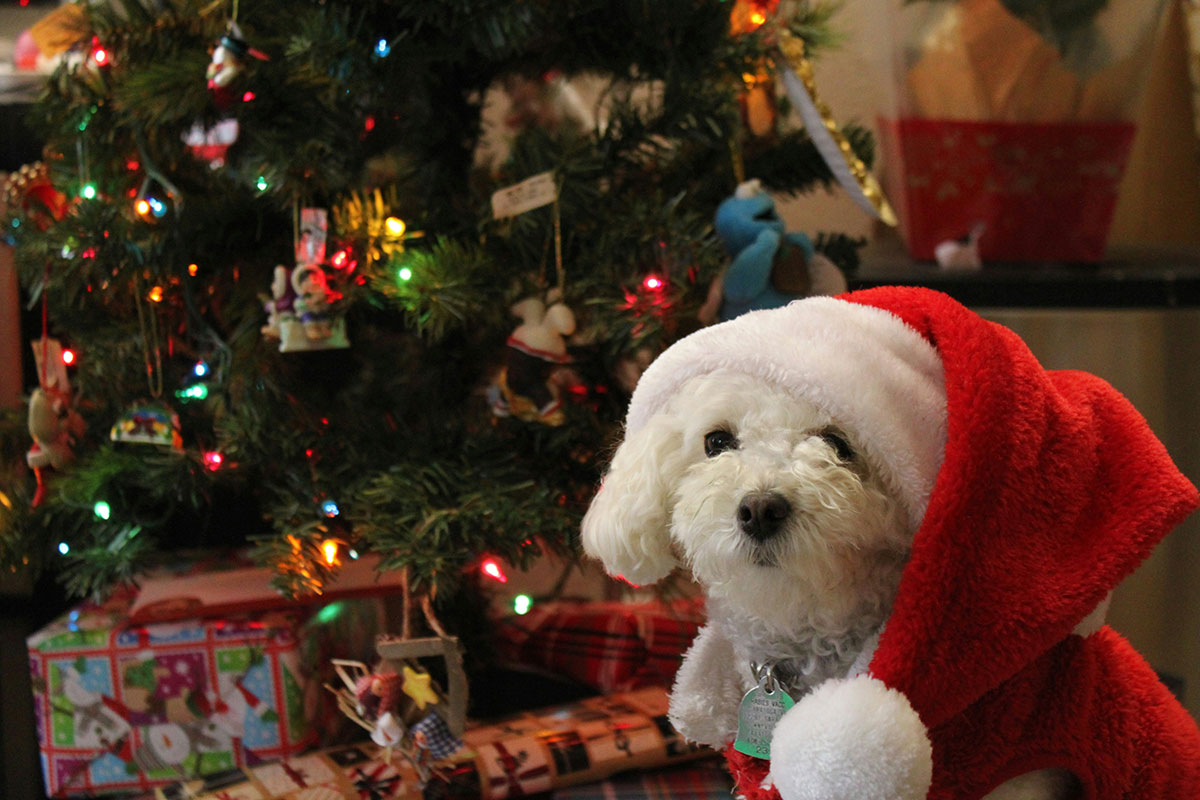
Christmas is a magical time of year… but not always for our dogs. With visitors coming and going, exciting smells, dropped food and shiny decorations everywhere, the festive season brings a surprising number of risks for our four-legged friends. In fact, a survey by The British Veterinary Association said that 77.3% of vets surveyed said they had treated cases of toxic ingestion in dogs caused by sultanas or raisins over the past 12 months – a key component of our favourite mince pies!

To help keep your home (and garden!) safe this Christmas, Poop Patrol has put together a simple guide to the most common holiday hazards and how to avoid them.

Poop Patrol look at the range of hazards for dogs that are posed at Christmas time!

Hazard 1: Christmas Foods to Keep Away From Dogs

Chocolate

Found in advent calendars, tree decorations, selection boxes and gifts. Chocolate contains theobromine, which is toxic to dogs.

Raisins, Sultanas & Grapes

A small amount can cause serious illness. These appear in mince pies, Christmas pudding and fruit cake.

Onions, Garlic & Leeks

Often used in stuffing, gravy and leftover roast dinners. These can damage red blood cells.

Alcohol

Spilled drinks and unattended glasses can cause sickness, wobbliness and collapse.

Cooked Bones

Turkey or chicken bones splinter easily and can cause choking or internal injuries.

Xylitol (Artificial Sweetener)

Found in some sugar-free snacks and peanut butters.

Macadamia Nuts

Sometimes in nut bowls or festive snack trays.

Tip: Show guests where to leave plates and warn children not to feed the dog “treats”.


Hazard 2: Christmas Decorations

Baubles & Ornaments

Shiny, dangling and irresistible to dogs. Glass baubles can shatter, and plastic ones can be swallowed.

Tinsel & Ribbons

These can cause blockages if eaten — especially by curious puppies.

Christmas Trees

  • Tree needles can irritate the stomach.

  • Tree water may contain fertiliser or bacteria.

  • Low-hanging decorations can be pulled off easily.

Fairy Lights & Electric Cables

Chewing cables can cause electric shocks. Try to keep wires hidden or raised.


Hazard 3: Candles & Scents

Candles, wax melts and diffusers can burn noses or cause skin irritation if knocked over or spilled. Keep them high up and away from wagging tails.


Hazard 4: Winter Garden Dangers

Cold weather doesn’t remove outdoor risks — in fact, it can make them worse.

Hidden mess and bacteria

Dog waste lasts longer in cold weather and is harder to spot under frost or leaves. This increases bacterial risks for dogs and visiting children.

Rubbish & Leftover Food

Festival leftovers thrown into outdoor bins can tempt dogs into dangerous scavenging.

Sharp or broken objects

Winter storms can blow decorations or rubbish into gardens.

This is where Poop Patrol helps: a clean, checked garden reduces winter risks and makes your outdoor space safer for Christmas visitors.


What to Do if Your Dog Eats Something Unsafe

If you think your dog has eaten something harmful:

  • Call your vet immediately

  • If out of hours, contact an emergency clinic

  • Keep any packaging or evidence

  • Don’t wait for symptoms

Fast treatment makes the biggest difference.

Keep Christmas Safe With a Clean Garden

If you’re hosting friends or family this Christmas, a tidy garden helps everything feel calmer, safer and ready for little ones (and visiting dogs).

Poop Patrol covers Clacton, Colchester, Frinton, Harwich, Walton, Dedham and the wider Essex area.

If you’d like to book a one-off Christmas clean or arrange regular visits, please use our contact form below and we’ll get you sorted.

Name
How Many Dogs Do You Have?
Do You Require De-Odourising Services As Well?
Do You Want To Hear More From Us?
Communications Preferences
By agreeing to this, I agree to receiving updates about our services, promotions, special offers, news and events from Infinity ProServ Ltd (T/a Poop Patrol) and any sister companies.

Continue reading

International Day of Veterinary Medicine: What Dog Owners Should Know

International Day of Veterinary Medicine: What Dog Owners Should Know

As you settled down one crisp autumn evening in your North Essex home, the family dog, Rex, gave a familiar quiver of discomfort after an unexpected tumble in the garden. Rushing him to the vet, you waited anxiously, heart in your throat—only to realise just how dependent we all are on the unseen work of veterinary medicine.

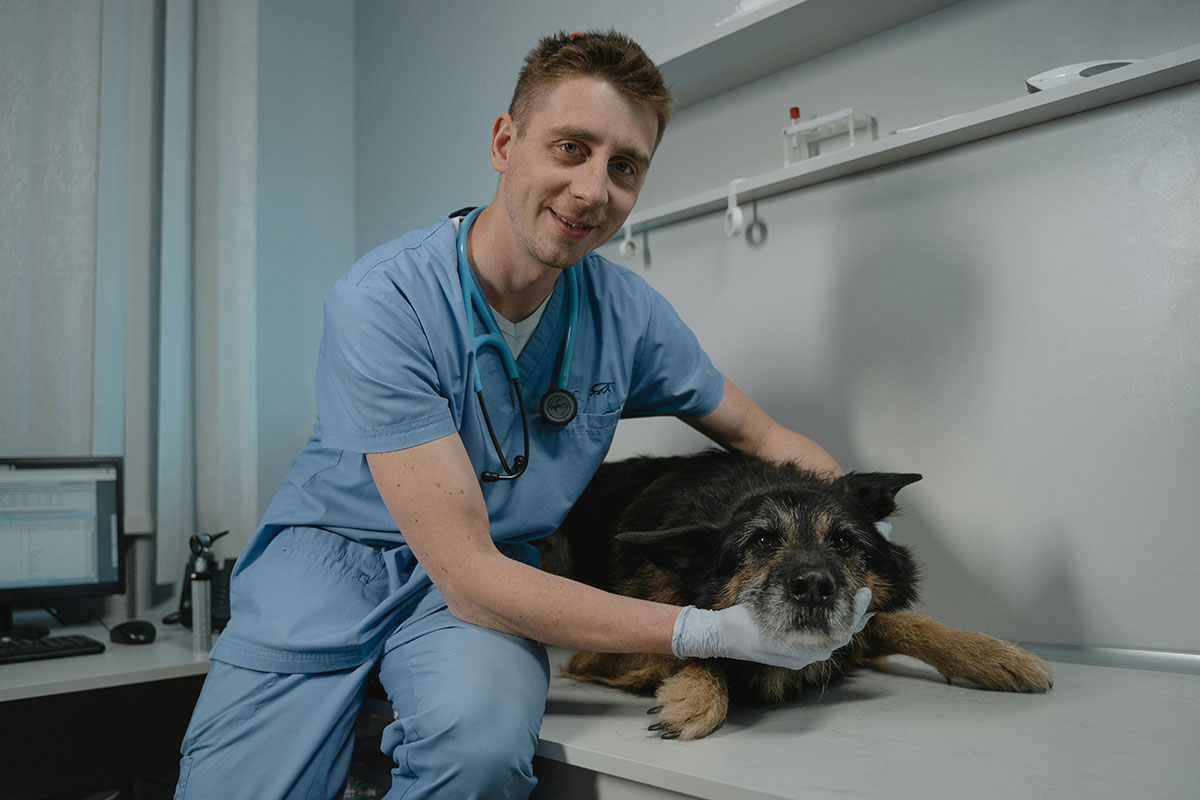
That’s why, this year, as we mark International Day of Veterinary Medicine, it’s worth reflecting on what veterinary care means—for your pet, your household, and the health of your home environment.

On International Veterinary Medicine Day, Poop Patrol look at the importance vets play in looking after our beloved dogs.

Why the International Day of Veterinary Medicine matters

Observed every year on 9 December, the International Day of Veterinary Medicine recognises the crucial role of veterinary professionals in protecting both animal and human health.

For homeowners in domestic settings—dogs, cats, rabbits, even fish or reptiles—the term “veterinary medicine” might bring to mind vaccinations or treatments, but the implications reach further: it’s about safe pets, safe homes and safe neighbourhoods.

Common problems associated with veterinary medicine for homeowners

1. Overlooked pet-health issues in the home

Many domestic pet owners assume minor symptoms will “go away on their own”, but pet illnesses can impact the home: scratched furniture, soiled carpets, interrupted sleep and the emotional stress of worrying. According to a UK survey, 67% of households owned a dog and 45% a cat, and the average number of vet visits over two years was 5.9 for dogs, 4.7 for cats.

When veterinary medicine doesn’t catch these issues early, homeowners may face larger mess, costlier cleaning or structural damage—especially if pets urinate in hidden areas or get into hazardous spaces in the home.

2. Zoonotic risks and household contamination

“Veterinary medicine” isn’t only about treating animals—it’s about preventing diseases that can pass to humans. For example, 76% of UK respondents believed that vaccinating farm animals helps prevent diseases transferring to people. NOAH (National Office of Animal Health)

In the domestic context: fleas, ticks, worms or infections can cross from pet to human or contaminate soft furnishings or gardens. A home-care business such as Poop Patrol often supports homeowners when dealing with the aftermath of such issues, from soiled carpets to de-contaminating outdoor runs.

3. The technical side: drug resistance, treatment delays, cost stress

In the veterinary profession, major challenges include antimicrobial resistance and the need for preventive medicine.

For homeowners, this translates into potential delays in your pet’s treatment, higher costs and complicated cleaning routines in the home if infections persist or spread. Add to that the stress of caring for a poorly pet while keeping the household running—and it becomes a real domestic disruption.

4. Human-emotional impact and home disruption

When a family pet falls ill, the ripple effect is felt across the home. Whether it’s sleepless nights, the cost of veterinary bills, or dealing with cleaning after accidents, the burden often falls on the homeowner.

For contractors providing cleaning or maintenance services in North Essex and South Suffolk, these situations attract calls for urgent work: pet-accident removal, deep cleaning of upholstery, disposal of odours and contaminants. That’s where Poop Patrol steps in with specialists who understand pet-related mess and its link to veterinary issues.

What homeowners can do to strengthen the link between veterinary medicine and home-care

  • Schedule regular check-ups for pets: Since 67% of pet owner survey respondents visited vets within six months.

  • Prevent rather than cure: Awareness that pets should be regularly checked, treated for ticks/fleas and given preventive meds is strong among UK owners.

  • Maintain your home environment: Keep pet-areas clean, dry and accessible for inspections—especially if pets spend time outdoors or in sheltered garden buildings.

  • Be ready to call professionals when cleaning becomes complicated: Loose stools, infections or odour issues after veterinary treatment may demand specialist cleaning beyond usual DIY.

  • Build a local service network: For residents in North Essex and South Suffolk, having contact details of both a trusted vet and a trusted home-care responder (for example Poop Patrol) means faster recovery from pet-related incidents.

Celebrating the professionals behind veterinary medicine

Let’s take a moment to appreciate the quiet heroism of the veterinary profession. A 2023 survey found there were 328,494 veterinary professionals across Europe, 65% female and 67% in private practice.

Without their expertise we’d be facing more home-health and domestic-maintenance issues than we might realise.

As homeowners across North Essex and South Suffolk reflect on the role of veterinary medicine in our lives this International Day of Veterinary Medicine, it’s clear that the welfare of our pets is deeply linked to the welfare of our homes. From preventive care to specialist cleaning, the chain is real.

If you’re facing any issues at home linked to pet health or mess, help is just a phone call or contact form away. Get in touch with us today on 0800 148 8088 or use our online contact below form to find out how we can assist you – are you ready to protect your home and your pets together?

Name
How Many Dogs Do You Have?
Do You Require De-Odourising Services As Well?
Do You Want To Hear More From Us?
Communications Preferences
By agreeing to this, I agree to receiving updates about our services, promotions, special offers, news and events from Infinity ProServ Ltd (T/a Poop Patrol) and any sister companies.

Continue reading

Caring for Our Pets This National Pet Wellness Month: Health, Happiness, and Home Harmony

Caring for Our Pets This National Pet Wellness Month: Health, Happiness, and Home Harmony

October marks National Pet Wellness Month — a reminder for homeowners across the UK to take a closer look at their pets’ overall wellbeing. From nutrition and exercise to mental stimulation and hygiene, pet wellness is about more than just a yearly vet visit. It’s about creating a safe, enriching, and healthy home environment for our furry friends — and for us too.

As any pet owner knows, a healthy pet means a happier household. But what exactly does “pet wellness” mean, and what are the challenges British pet owners face today?

Our pets mean everything to us, so this National Pet Wellness Month, read Poop Patrol's guide to making sure you give them the very best lives.

Why National Pet Wellness Month matters

The changing face of pet ownership

The UK is a nation of animal lovers — in fact, 62% of households now own a pet, according to the Pet Food Manufacturers’ Association. Dogs remain the most popular at 13 million, followed by 12 million cats. But with this love comes responsibility — and not all owners feel confident managing every aspect of pet care.

A PDSA Animal Wellbeing (PAW) Report revealed that over 25% of UK pets are overweight, while 1 in 5 owners admit they don’t walk their dogs as often as they should. Stress-related behaviours are also on the rise, particularly since the pandemic, when more people began working from home.


The pillars of pet wellness

1. Physical health

Regular exercise, balanced nutrition, and routine vet check-ups form the foundation of a pet’s wellbeing. Poor diet or inactivity can lead to obesity, heart issues, and joint pain — all of which reduce quality of life. Even indoor pets benefit from daily play to maintain muscle tone and coordination.

2. Mental and emotional enrichment

Pets, especially dogs, thrive on structure, companionship, and stimulation. Without them, they can develop anxiety, destructive behaviour, or even depression. Simple changes like puzzle feeders, interactive play, and consistent routines can make a world of difference.

3. Hygiene and environment

A clean environment is essential for both pets and people. Regular grooming, bedding changes, and garden hygiene help prevent parasites, odour, and bacterial spread. Pet waste, if not managed properly, poses health risks to humans and other animals.

That’s where services like Poop Patrol, operating across North Essex and South Suffolk, can make life easier — ensuring gardens remain clean, safe, and pleasant for every family member, furry or otherwise.


Common wellness challenges for UK homeowners

  • Busy lifestyles: Long work hours or family commitments often mean exercise and grooming fall down the priority list.

  • Urban environments: Limited garden space or shared living means pets may lack adequate outdoor time.

  • Climate changes: Hotter summers and wetter winters can lead to paw irritation, dehydration, or reduced walk time.

  • Hidden stress: Routine changes, noise, or isolation can all trigger anxiety in pets — something many owners underestimate.

Even well-meaning owners can miss subtle warning signs. A study from RSPCA found that 40% of pet owners failed to recognise early signs of discomfort or illness in their animals.


Keeping your pet — and home — well

  1. Schedule annual health checks: Prevention is cheaper (and kinder) than cure.

  2. Feed appropriately: Match food portions to your pet’s age, breed, and energy level.

  3. Exercise daily: Even short walks or playtime improve circulation and mood.

  4. Maintain hygiene: Wash bedding weekly, clean feeding bowls daily, and manage waste responsibly.

  5. Keep your garden safe: Remove hazards, use pet-friendly cleaning products, and ensure no toxic plants are present.

  6. Check behaviour: Subtle changes — reduced appetite, hiding, excessive licking — often signal stress or illness.

  7. Plan for care: If work or travel keeps you away, arrange regular care visits or services to ensure consistency.

For homeowners who struggle to stay on top of hygiene, Poop Patrol provides professional outdoor waste management — keeping gardens clean, reducing bacterial risk, and helping maintain overall household wellness.


The human–animal connection

It’s easy to forget that pets don’t just live in our homes — they shape them. Studies show that pet owners report lower stress levels and higher happiness, with 9 in 10 saying their pet improves their mental wellbeing. Caring for a pet encourages structure, empathy, and social connection — qualities that enhance our own lives as much as theirs.

This National Pet Wellness Month, take a moment to reflect on what your pet needs to live their best life. A happy pet equals a healthier home.


Conclusion

Our pets depend on us not just for food and walks, but for a safe, stimulating, and hygienic environment that supports lifelong wellness. Whether it’s scheduling a vet visit, upgrading your waste management routine, or simply spending more quality time with your pet, small changes make a big difference.

So as National Pet Wellness Month reminds us — is your home truly supporting your pet’s health and happiness?

Contact Poop Patrol

Keep your home clean, your pets healthy, and your garden fresh. Contact Poop Patrol today to learn how we can help — call 0800 148 8088 or use our contact form to book a friendly consultation.

Name
How Many Dogs Do You Have?
Do You Require De-Odourising Services As Well?
Do You Want To Hear More From Us?
Communications Preferences
By agreeing to this, I agree to receiving updates about our services, promotions, special offers, news and events from Infinity ProServ Ltd (T/a Poop Patrol) and any sister companies.

Continue reading

World Rabies Day: Why Pet Owners Must Stay Aware

World Rabies Day: Why Pet Owners Must Stay Aware

Every year on World Rabies Day, pet owners are reminded of the dangers that rabies still poses globally. Although rabies is considered eliminated in the UK’s domestic animal population, cases still occur in other countries, and awareness is crucial for keeping our families and pets safe.

Find out why it's still vital to protect against Rabies for your four-legged friends.

What is Rabies and Why It Matters

Rabies is a viral disease that affects the central nervous system of mammals, including dogs, cats, and humans. Once symptoms appear, the disease is almost always fatal. According to the World Health Organization (WHO), rabies causes around 59,000 human deaths worldwide each year, with over 95% of cases linked to dog bites.

While the UK has robust pet vaccination programmes and strict animal import controls, international travel and the movement of animals across borders mean the risk cannot be ignored.

Why Pet Owners Should Care

Homeowners and pet owners may believe rabies is a distant problem, but international holiday travel and imported animals mean it could still reach our shores. For example, in 2022, the UK government reported several imported dogs testing positive for rabies-like viruses, highlighting the ongoing need for vigilance.

Beyond the technical side of disease control, rabies also brings emotional consequences. Families can face heart-breaking decisions when exposed to rabies risks, whether through pets or human contact. Responsible pet ownership—ensuring pets are vaccinated, microchipped, and properly supervised—remains essential.

The Human Element

The most painful truth about rabies is that it is preventable. Vaccinations for pets are readily available, and prompt treatment after exposure (post-exposure prophylaxis) can save lives. Sadly, in many parts of the world, access to vaccines is limited, making awareness days like this vital for global solidarity.

For UK pet owners, World Rabies Day is an opportunity to reflect not only on our own pets’ health but also on how interconnected global health really is.

Local Responsibility in Essex and Suffolk

At Poop Patrol, we deal with the everyday realities of pet ownership in North Essex and South Suffolk. While our work doesn’t often connect with rabies directly, our mission always involves promoting healthier, safer communities for pets and people alike. Responsible waste disposal is one small step towards that bigger picture of protecting public health.

If you’re a local pet owner, consider checking your pets’ vaccination status, especially if you travel abroad with them. A small step today could prevent a big problem tomorrow.

Conclusion

World Rabies Day isn’t just about awareness of a distant disease—it’s a reminder of how vital responsible pet ownership is. By keeping our pets safe, we also protect our families and communities. Is it time to check whether your pet’s vaccinations are up to date?

Contact Us Today

For friendly, reliable pet waste removal and community health support in North Essex and South Suffolk, call 0800 148 8088 or reach us via our contact form below.

Name
How Many Dogs Do You Have?
Do You Require De-Odourising Services As Well?
Do You Want To Hear More From Us?
Communications Preferences
By agreeing to this, I agree to receiving updates about our services, promotions, special offers, news and events from Infinity ProServ Ltd (T/a Poop Patrol) and any sister companies.

Continue reading

Organic September: The Problems with Feeding Organic Dog Food

Organic September: The Problems with Feeding Organic Dog Food

Each September, the UK marks Organic September, a campaign that shines a light on organic living and the choices we make as consumers. While most of the focus is on human diets, many homeowners are also exploring whether feeding organic dog food is a better option. But is organic feeding for dogs really as straightforward as it sounds?

Whilst the UK is in 'Organic September', Poop Patrol takes a look at Organic Dog Food and some of the challenges associated with it.

The Challenges of Organic Dog Food

Switching your dog to an organic diet may sound like the natural choice, but there are hidden problems that homeowners need to consider.

Firstly, the cost. According to Euromonitor International, the UK pet food market is worth over £3.5 billion, with premium and organic options growing fastest. However, these products can be 30–60% more expensive than conventional dog foods. For multi-pet households, this can quickly add up.

Availability is another issue. While supermarkets stock a range of organic items for humans, organic pet food is often harder to find, meaning homeowners may need to shop online or in specialist stores.

The Human Element

Dog owners are understandably keen to give their pets the best, but feeding organic can sometimes create more stress than comfort. Pet owners report feelings of guilt if they cannot always afford organic options — echoing the same pressures humans face during Organic September.

What’s more, there is still a lack of long-term research into whether organic diets lead to significantly better health outcomes for pets. The British Veterinary Association has noted that balanced nutrition matters more than organic certification when it comes to canine wellbeing. This can leave owners feeling uncertain about whether their efforts are making a meaningful difference.

Technical Problems

Feeding dogs organically also comes with practical challenges.

  • Shorter shelf life: Without artificial preservatives, some organic pet foods spoil more quickly once opened.

  • Nutritional balance: Not all organic recipes are complete diets — some may lack essential vitamins and minerals unless carefully supplemented.

  • Labelling confusion: Just as with human food, the term “organic” can vary in its meaning, especially with imported products.

DEFRA found that organic livestock farming can result in 20–30% lower yields, which pushes up costs and can limit supply. For pet food manufacturers, that often means smaller production runs and less choice on the shelf.

Where Poop Patrol Fits In

At Poop Patrol, we know your dog’s health is central to your household — and we also know what goes in must come out! Whether you choose an organic diet or a standard one, our services ensure your garden stays clean, safe, and usable for the whole family.

Organic September is a great opportunity to reflect on the food we feed our pets as well as ourselves. But for many homeowners, organic dog food comes with challenges: higher costs, limited availability, and uncertainties around long-term health benefits. Feeding your pet well is about balance, not perfection — and making choices that work for your home and lifestyle. So, will your dog be joining in with Organic September this year?

Call Poop Patrol today on 0800 148 8088, or use our contact form below to keep your garden fresh, clean, and safe for the whole family.

Name
How Many Dogs Do You Have?
Do You Require De-Odourising Services As Well?
Do You Want To Hear More From Us?
Communications Preferences
By agreeing to this, I agree to receiving updates about our services, promotions, special offers, news and events from Infinity ProServ Ltd (T/a Poop Patrol) and any sister companies.

Continue reading

Celebrating World Senior Citizens Day and the Joy of Pets

Celebrating World Senior Citizens Day and the Joy of Pets

World Senior Citizens Day (21 August) is a chance to celebrate the contributions older generations make to our families and communities. For many seniors, life is made brighter by the companionship of a pet. Dogs, in particular, bring comfort, structure, and joy to everyday living.

Poop Patrol takes a look at the importance of dogs and pets on World Senior Citizens' Day

Why pets matter so much in later life

Across the UK, pets are woven into daily routines. The PDSA’s PAW Report shows that 51% of UK adults own a pet, with 28% owning a dog—around 10.6 million dogs nationwide. That means millions of households benefit from wagging tails and unconditional love.

For seniors, the impact is even greater. Dogs encourage gentle exercise, routine, and social interaction. A UK study found dog owners were four times more likely to meet weekly activity guidelines compared with non-owners—a clear boost to health and mobility in later years.

Research has shown that older adults with pets experience measurable health benefits. A study from the University of Michigan’s National Poll on Healthy Aging found that 88% of older pet owners said their pets helped them enjoy life, while 79% reported reduced stress levels (University of Michigan, 2019). Beyond this, Age UK found that the companionship of a dog can help reduce loneliness — a problem affecting an estimated 1.4 million older people in the UK who often feel isolated.

But while the emotional rewards of pet ownership are clear, there are also practical challenges that seniors — and indeed any homeowner — can face when caring for animals.

Everyday challenges of pet ownership

Of course, owning a dog also comes with its share of chores. For some older people, bending to pick up after a pet, keeping gardens clean, or managing energetic behaviour can become more difficult. These tasks may seem small, but they can take the shine off the companionship pets are meant to bring.

The Practical Problems Pets Bring

Owning a dog isn’t always straightforward. Common issues include:

  • Garden hygiene: Dog fouling can quickly become a problem if not managed, particularly for older homeowners with mobility issues.

  • Household maintenance: Pets can sometimes cause wear and tear — from muddy pawprints to chewed skirting boards.

  • Safety concerns: Trips, falls, or strained joints are real risks for seniors when bending to clean or manage a lively pet.

These practical aspects can become overwhelming, which may impact the very companionship that pets are meant to provide. For seniors, this can create stress rather than relief — especially when they want their home to remain safe, welcoming, and comfortable.

That’s why many families find ways to share responsibility—whether through relatives lending a hand, neighbours stepping in, or local services offering practical support. The aim is simple: keep the joy, reduce the stress.

How small bits of support help

Something as basic as a tidy garden can make all the difference. Clean, safe outdoor spaces mean grandchildren can play freely, seniors can sit outside without worry, and everyone can enjoy their home. That’s where a dog waste removal service such as Poop Patrol, based in North Essex and South Suffolk, can quietly help homeowners manage one of the less pleasant sides of pet care.

By stepping in to handle these tasks, Poop Patrol helps ensure the focus stays where it belongs—on the companionship and wellbeing pets bring, not the chores they create.

Conclusion

On World Senior Citizens Day, we’re reminded of the incredible value older generations bring—and how their pets so often brighten their lives. Dogs support health, ease loneliness, and provide companionship like nothing else. With a little help in managing the practical side of pet ownership, seniors can spend more time enjoying the love their pets give.

For many older people, a pet is more than just an animal — it’s a family member, a source of routine, and often their closest companion. But when the practical challenges of pet ownership pile up, it can affect both mental health and the home environment. That’s where trusted support services can make a difference.

Poop Patrol is here to make everyday life easier by managing one of the most common — and unpleasant — pet-related tasks: keeping gardens clean and hygienic. By handling these responsibilities, we help homeowners maintain a safe and welcoming environment, while giving seniors the freedom to enjoy their pet’s companionship without the practical burden.

So, how will you celebrate the older people and pets who make such a difference in your life?

Looking for a helping hand?

If you’d like to spend less time worrying about garden clean-up and more time enjoying your dog, we’re here to help. Get in touch today via our contact form below,
or call us free on 0800 148 8088 to see how Poop Patrol can make life at home a little easier.

Name
How Many Dogs Do You Have?
Do You Require De-Odourising Services As Well?
Do You Want To Hear More From Us?
Communications Preferences
By agreeing to this, I agree to receiving updates about our services, promotions, special offers, news and events from Infinity ProServ Ltd (T/a Poop Patrol) and any sister companies.

Continue reading

Grass Seeds and Dogs: The Hidden Hazard in Your Garden and Beyond

Grass Seeds and Dogs: The Hidden Hazard in Your Garden and Beyond

It was a warm June evening when Sarah watched her spaniel, Rosie, bounding through the tall grass near their Essex home. Rosie loved nothing more than exploring wild meadows, ears flapping and tail wagging. But just a few days later, Rosie began frantically pawing at her ear and shaking her head. A trip to the vet revealed the problem: a tiny grass seed lodged deep in her ear canal — painful, invisible, and surprisingly common.

For many dog owners across the UK, this story hits close to home. Grass seeds in dogs are an often overlooked but serious seasonal hazard.

Summer brings the added peril of grass seeds. Grass seeds and dogs is not a friendly co-existence, with the seeds often causing significant medical issues for dogs. Here Poop Patrol look at these issues and how best to avoid them.

The Threat of Grass Seeds for Dogs

Grass seeds, also known as awns or foxtails, are barbed, needle-like seeds that can easily attach to a dog’s fur. Their pointed shape allows them to burrow into the skin and body — often with distressing consequences.

Between June and September, vets report a sharp rise in grass seed-related injuries. A study published in Veterinary Parasitology found a 176-fold increase in grass awn inhalation cases during the summer months. Another study from the British Small Animal Veterinary Association noted that 90.6% of cases occurred in this seasonal window.

These seeds may seem harmless, but they can:

  • Penetrate the skin, often between toes or in armpits

  • Enter ears, causing intense irritation or infection

  • Become lodged in eyes or noses

  • Migrate deeper into the body, even reaching lungs in rare cases


The Human Cost

Beyond the physical pain for dogs, there’s a real emotional and financial toll for owners. Vets often need to sedate dogs to locate and remove seeds. In some cases, surgical intervention is required. Treatment costs can vary widely — from £60 for a simple ear removal to over £800 for more invasive procedures.

For many owners, it’s not just about the money. It’s about watching a beloved pet suffer, the worry of a mysterious illness, and the helplessness of not knowing what’s wrong. As Rosie’s owner Sarah put it, “She’s part of our family. Seeing her in that much pain over something so small was heartbreaking.”


Know the Signs

If your dog has been out in long grass, keep an eye out for these common signs of grass seed trouble:

Area Affected Symptoms
Paws Limping, licking, swelling between toes
Ears Head shaking, scratching, bad odour
Eyes Redness, squinting, discharge
Nose Sneezing, pawing at the nose, bleeding
Skin Swelling, pus, small puncture wounds

Prevention: Your Best Defence

While grass seeds can’t be completely avoided, you can reduce the risk significantly:

  • Check your dog thoroughly after walks — especially between toes, in ears, and under armpits.

  • Keep the fur trimmed, particularly around high-risk areas.

  • Stick to mown paths and avoid tall, dry grass in late spring and summer.

  • Be proactive — if your dog shows signs of discomfort after a walk, get them checked promptly.


How Poop Patrol Can Help

At Poop Patrol, we understand that a tidy outdoor space isn’t just about aesthetics — it’s about safety. Our team supports homeowners across Essex with:

  • Garden clearance services to remove long grass, weeds, and seed-producing plants

  • Regular garden maintenance to keep grass short and safe during peak seed season

  • Advice on turf care and lawn design to minimise hazards for your dog

We help create dog-friendly gardens that offer freedom and fun — without the hidden dangers.


Grass seeds may be tiny, but their impact on dogs can be enormous. A simple walk through overgrown grass can lead to pain, infection, or even surgery. With a little vigilance, proper grooming, and a safe outdoor space, you can protect your furry companion from this common seasonal risk.

Is your garden truly safe for your dog this summer?

Contact Us

If you need assistance in keeping your garden manageable to avoid problems associated with grass seeds and dogs, simply give us a call on 0800 148 8088, or complete the form below:

Name
How Many Dogs Do You Have?
Do You Require De-Odourising Services As Well?
Do You Want To Hear More From Us?
Communications Preferences
By agreeing to this, I agree to receiving updates about our services, promotions, special offers, news and events from Infinity ProServ Ltd (T/a Poop Patrol) and any sister companies.

Continue reading

Keeping Dogs Safe in Hot Weather: What Every Homeowner Needs to Know During This Heatwave

Keeping Dogs Safe in Hot Weather: What Every Homeowner Needs to Know During This Heatwave

Last summer in Clacton-on-Sea, a couple returned home from a short trip to find their Labrador panting heavily in the conservatory. The midday sun had transformed the room into an oven, and their dog, usually sprightly and playful, could barely lift his head. Fortunately, he recovered—but it was a terrifying reminder of how quickly things can go wrong. With the Met Office now advising of continued heat wave conditions, and the UK Health Security Agency issuing amber heat health warnings for extreme heat in across England, it’s crucial that homeowners take extra precautions in keeping dogs safe in hot weather.

Ahead of this weekend's scorcher, Poop Patrol takes a look at how to keep our furry friends cool and safe. This piece on keeping dogs safe in hot weather should help you to keep your hounds happy.

Why Hot Weather Is Dangerous for Dogs

Unlike humans, dogs can’t sweat through their skin—they rely on panting and limited sweat glands in their paws to cool down. This makes them especially vulnerable during UK heatwaves. In fact, according to the PDSA, over 1 in 10 dog owners admit to walking their dogs during the hottest part of the day, significantly increasing the risk of heatstroke. Even short exposure to high temperatures can be fatal. A study published in Nature (Hall et al., 2020) found that 74% of dogs treated for heatstroke had been exercised in hot weather, and nearly half of those cases resulted in death.

But it’s not just outdoor conditions that pose a risk. Conservatories, garden decking, and even suntraps in your living room can become dangerous. Many of us enjoy having our back doors open during the summer—but for dogs, easy access to the garden in the midday heat can be a hidden hazard.


Tips for Keeping Dogs Safe in Hot Weather

When temperatures soar, a few adjustments can make all the difference:

  • Limit exercise to early mornings or late evenings when the temperature is cooler.

  • Always check surfaces such as pavements or patios. If it’s too hot for your hand, it’s too hot for paws.

  • Provide plenty of shade and water—both inside and out.

  • Never leave dogs in cars or enclosed spaces, even with windows cracked.

  • Create cool zones in the home with fans, cooling mats, or even a damp towel.

  • Watch for signs of heatstroke, which include excessive panting, drooling, confusion, vomiting, and collapse. If suspected, seek veterinary help immediately.


It’s Not Just About Dogs—It’s About People Too

Heat-related issues can affect humans as much as animals. If you have elderly relatives, young children, or are out at work during the day, ensuring your dog’s welfare becomes even more vital. A barking or distressed dog left alone in a hot house can also cause concern with neighbours—and in some cases, even prompt calls to the RSPCA.

Beyond the health risk, there’s the issue of hygiene. High temperatures accelerate the decomposition of dog waste in gardens, attracting flies and creating unpleasant odours—especially problematic if children are playing outdoors or you’re entertaining guests.


Conclusion: Stay Cool, Stay Safe

The summer heat can be wonderful—but it brings real risks to the four-legged members of our families. With forecasters warning that this heatwave could last several days, keeping dogs safe in hot weather should be a top priority for every homeowner. By planning ahead and taking small precautions, you can enjoy the sunshine without putting your pets in danger.

Are you doing everything you can to protect your dog this summer?

How Poop Patrol Can Help

At Poop Patrol, we support homeowners across North Essex and South Suffolk by providing reliable garden waste clearance and hygiene checks during the summer months. Whether you’re heading off on holiday, managing a busy family life, or simply want to keep your outdoor space safe and pleasant, we’re here to help prevent small problems from turning into big ones.

Our team works discreetly and efficiently, ensuring your garden stays clean, safe, and summer-ready—even in the height of the heatwave. Simply give us a call on 0800 148 8088 or complete the form below:

Name
How Many Dogs Do You Have?
Do You Require De-Odourising Services As Well?
Do You Want To Hear More From Us?
Communications Preferences
By agreeing to this, I agree to receiving updates about our services, promotions, special offers, news and events from Infinity ProServ Ltd (T/a Poop Patrol) and any sister companies.

Continue reading