Author: david@purplepatchconsultants.com

To celebrate World Mental Health Awareness Week, Poop Patrol looks at the importance our dogs play in maintaining good mental health.

World Mental Health Awareness Week – Why Your Dog and Garden Matters

World Mental Health Awareness Week – Why Your Dog and Garden Matters

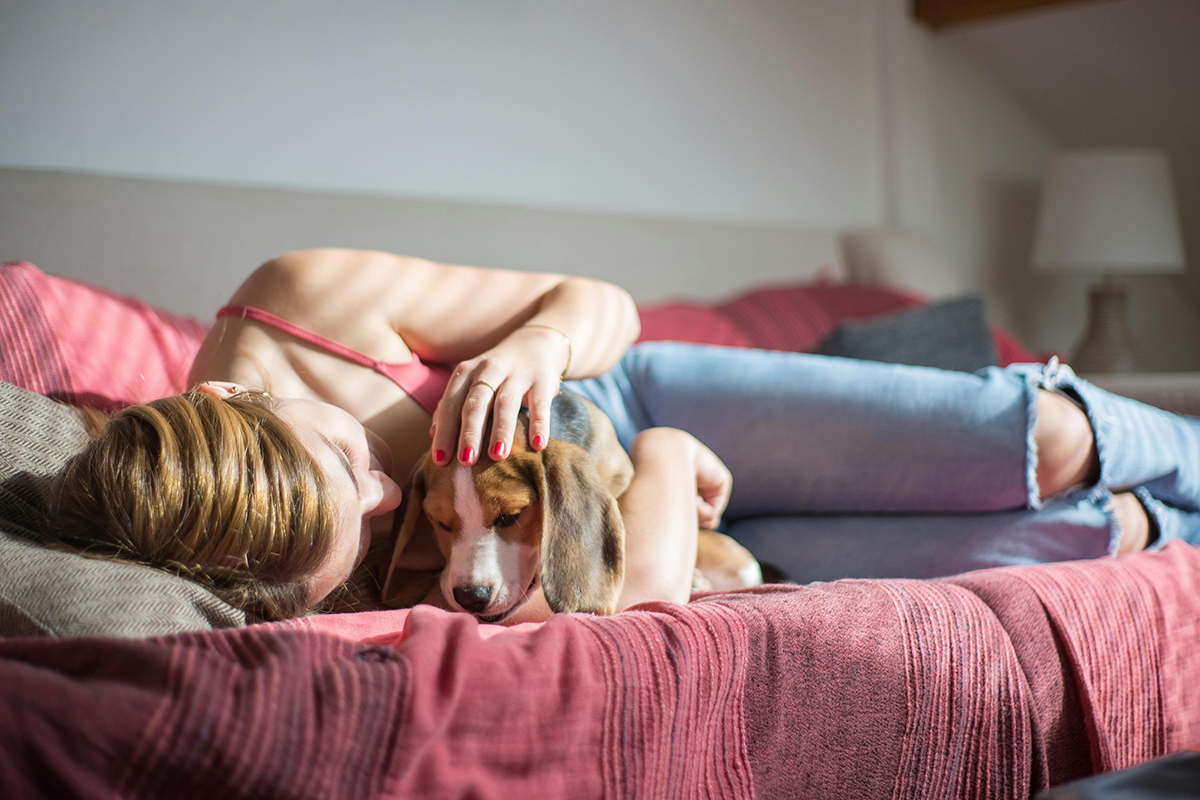
Every year, World Mental Health Awareness Week shines a spotlight on how we can better care for our wellbeing. This year, one topic that deserves more attention is the link between dog ownership and mental health – and how something as simple as your garden environment can make a real difference.

For many UK homeowners, dogs are more than pets—they’re companions, stress relievers, and even emotional lifelines. But with the benefits of dog ownership come responsibilities that, if neglected, can actually create stress rather than relieve it.


To celebrate World Mental Health Awareness Week, Poop Patrol looks at the importance our dogs play in maintaining good mental health.

The Mental Health Benefits of Dog Ownership

There’s strong evidence that dogs positively impact mental health:

  • According to Mental Health Foundation, 74% of UK pet owners say their pet has improved their mental health
  • Research from PDSA suggests that pet owners are less likely to experience loneliness
  • A study published by NHS highlights that regular dog walking can reduce anxiety, improve mood, and encourage physical activity

Dogs provide routine, companionship, and unconditional affection—three things proven to support mental wellbeing.


The Hidden Stress of Dog Ownership at Home

While dogs can boost mental health, the day-to-day realities of ownership can sometimes have the opposite effect—especially when it comes to maintaining your outdoor space.

1. Garden Hygiene Issues

Dog waste left in the garden isn’t just unpleasant—it can become a source of stress. Homeowners often feel:

  • Embarrassed when guests visit
  • Overwhelmed by the build-up
  • Frustrated by constant cleaning

2. Health Concerns

Dog fouling can carry harmful bacteria and parasites. According to the NHS, exposure to contaminated soil can pose risks, particularly to children.

3. Time Pressure and Burnout

Modern life is busy. Between work, family, and personal commitments, regularly cleaning up after your dog can feel like “just another chore”—one that often gets pushed down the priority list.

4. Impact on Enjoying Your Own Space

Your garden should be a place to relax. But when it’s not clean or usable, it can:

  • Increase stress levels
  • Reduce time spent outdoors
  • Negatively affect your overall wellbeing

Why a Clean Garden Supports Better Mental Health

A clean, usable outdoor space plays a surprisingly important role in mental wellbeing:

  • Encourages time outdoors (linked to lower stress levels)
  • Creates a safe space for children and pets
  • Removes a lingering source of guilt or anxiety
  • Enhances pride in your home

In short, removing small, nagging issues—like dog waste—can have a bigger mental health impact than you might expect.


World Mental Health Awareness Week: Small Changes, Big Impact

Mental Health Awareness Week is a reminder that mental health is shaped by everyday life. For dog owners, that includes the environment you live in.

Taking steps to make your home and garden more manageable can:

  • Reduce stress
  • Improve daily mood
  • Help you fully enjoy the companionship your dog provides

How Poop Patrol Can Help

Dogs can play a powerful role in improving mental health—but only when the responsibilities of ownership feel manageable. By keeping your garden clean and stress-free, you create a space where both you and your dog can thrive. For homeowners in North Essex and South Suffolk, Poop Patrol offers a simple, reliable solution.

Rather than adding another task to your to-do list, Poop Patrol helps keep your garden clean, hygienic, and ready to enjoy. This means:

  • Less stress and fewer chores
  • A safer space for your family
  • More time to enjoy the positive side of dog ownership

Sometimes, improving mental wellbeing isn’t about big changes—it’s about removing the small, persistent frustrations that build up over time. If you’re ready to take one small but meaningful step toward a cleaner garden and a clearer mind, call 0800 148 8088 or use our contact form today—because shouldn’t your home be a place that supports your wellbeing, not adds to your stress?

Name
How Many Dogs Do You Have?
Do You Require De-Odourising Services As Well?
Do You Want To Hear More From Us?
Communications Preferences
By agreeing to this, I agree to receiving updates about our services, promotions, special offers, news and events from Infinity ProServ Ltd (T/a Poop Patrol) and any sister companies.

Continue reading

Celebrate International Guide Dog Day!

International Guide Dog Day: Supporting Assistance Dogs at Home

International Guide Dog Day: Supporting Assistance Dogs at Home

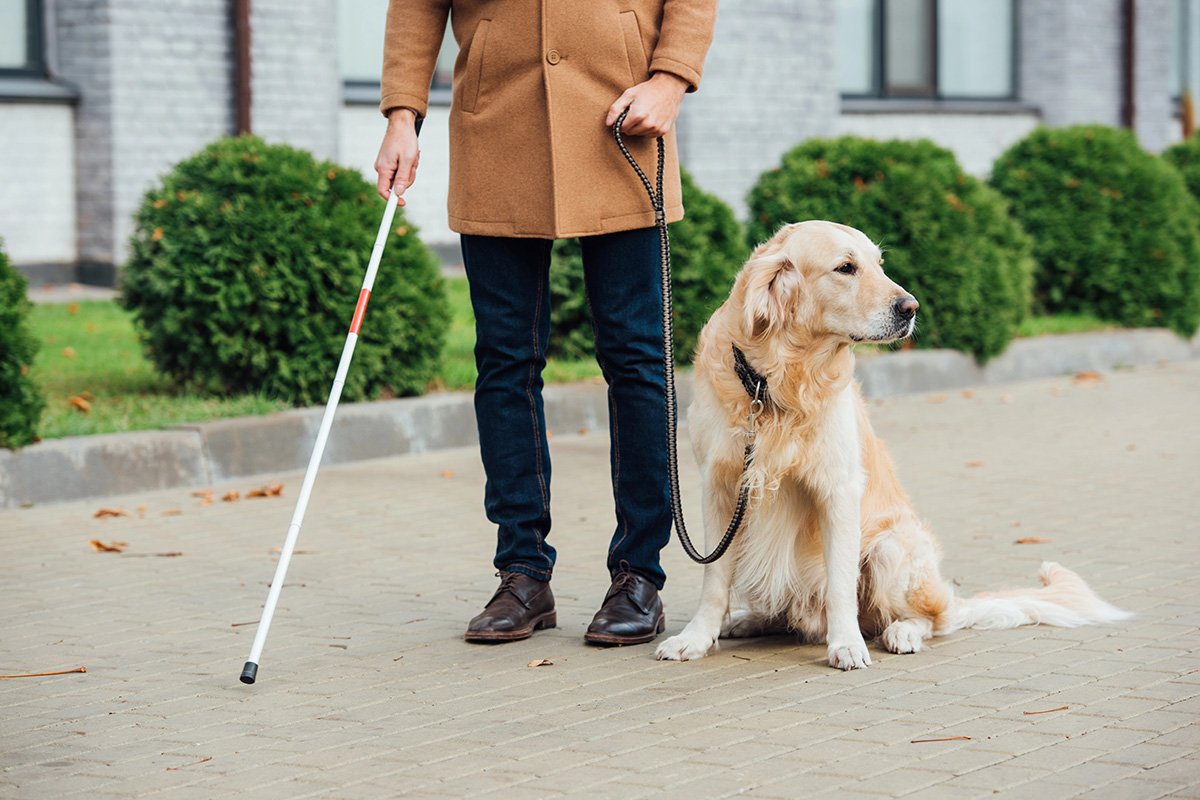
Guide dog awareness is an important topic for homeowners, especially as we mark International Guide Dog Day—a time to recognise the incredible role assistance dogs play in helping people live independently. For many households across the UK, understanding how guide dogs work, the challenges their owners face, and how to create a safe, supportive home environment is both a practical and compassionate step.

Whether you’re a dog owner yourself or simply want to be more considerate in your neighbourhood, this guide explores the human and everyday realities behind guide dog partnerships—and how small actions at home can make a big difference.


Celebrate International Guide Dog Day!

What Is International Guide Dog Day?

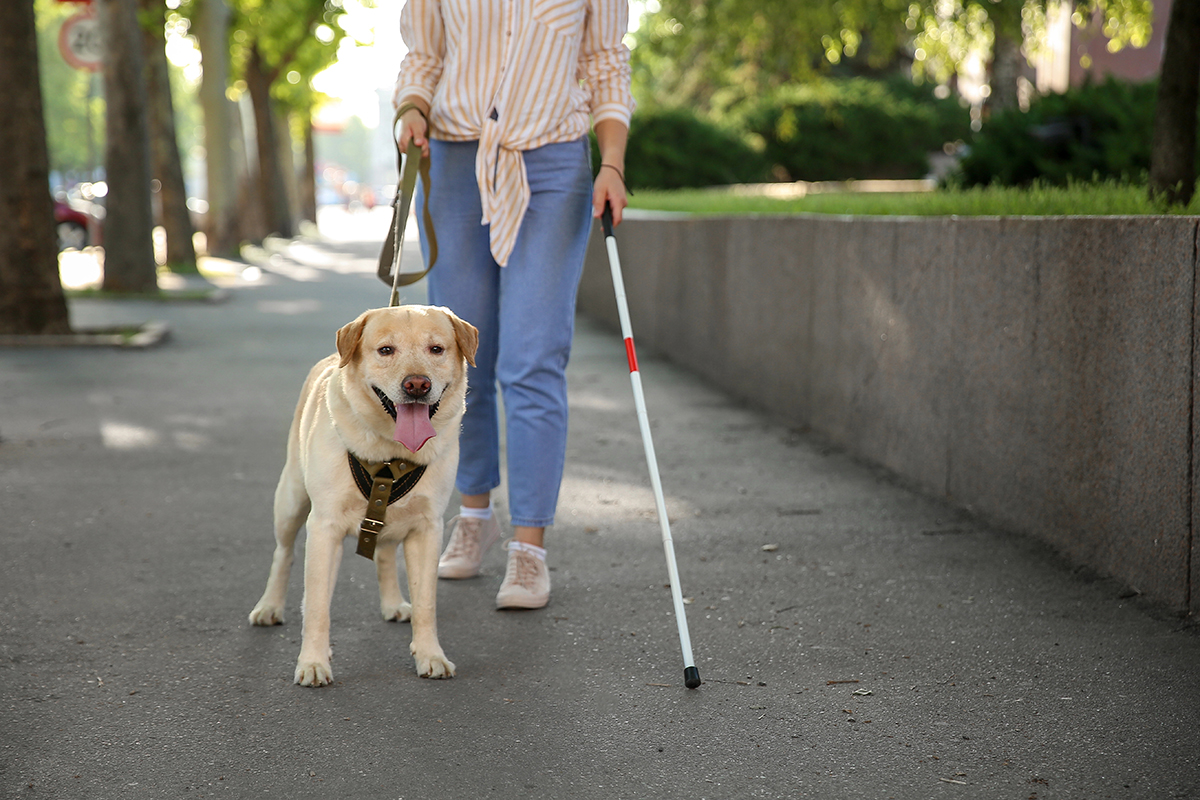
International Guide Dog Day celebrates the life-changing impact of guide dogs for people with visual impairments. UK Organisations like Guide Dogs train highly skilled dogs that provide mobility, safety, and independence.

Key UK Statistics

  • There are around 2 million people living with sight loss in the UK, projected to rise to 2.7 million by 2030 (Source: Guide Dogs UK).
  • Approximately 5,000 guide dogs are currently partnered with visually impaired people in the UK (Source: Guide Dogs UK).
  • It costs £55,000+ to support a guide dog throughout its lifetime (Source: Guide Dogs UK).

These figures highlight not only the scale of need but also the immense investment behind every working guide dog.


The Human Side: Life with a Guide Dog

A guide dog is far more than a pet—it’s a working partner and often a lifeline.

For homeowners, it’s important to understand:

  • Trust and routine are everything: Guide dogs rely on consistent environments.
  • Distractions can be dangerous: Petting or calling a working dog can put its owner at risk.
  • Clean, hazard-free spaces matter: Even small obstacles can disrupt navigation.

Imagine navigating your own home or garden without sight—every misplaced object or unexpected hazard becomes a potential risk.


Guide Dog Awareness UK: Making Your Home Safer

1. Keep Pathways Clear

Simple things like bins, tools, or children’s toys left in walkways can create hazards. This applies both inside and outside your property.

2. Maintain Outdoor Spaces

Uneven paving, overgrown hedges, and cluttered gardens can make movement difficult for guide dogs and their owners.

3. Be Mindful of Dog Waste

Dog waste isn’t just unpleasant—it’s a serious safety issue. For someone relying on a guide dog, encountering waste can:

  • Disrupt the dog’s focus
  • Create hygiene risks
  • Make outdoor spaces inaccessible

This is where responsible ownership—and services like Poop Patrol—play a role in keeping environments clean and safe.


The Hidden Challenges at Home

Even well-kept homes can present challenges:

  • Changing layouts (e.g. new furniture) can confuse guide dogs
  • Slippery surfaces can affect stability
  • Noise and distractions may impact concentration

For homeowners with their own dogs, there’s an added layer—ensuring pets don’t interfere with a working guide dog’s duties.


Supporting Your Community

You don’t need to own a guide dog to make a difference. Small actions can have a big impact:

  • Always clean up after your dog
  • Respect working dogs—don’t distract them
  • Keep shared spaces tidy and accessible
  • Educate children about guide dog etiquette

By doing so, you help create a safer, more inclusive environment for everyone.


How Poop Patrol Can Help

Maintaining a clean garden or outdoor area isn’t always easy—especially with busy schedules. Services like Poop Patrol help homeowners ensure their spaces remain hygienic, safe, and accessible for all, including those who rely on assistance dogs.

This is particularly important in areas like North Essex and South Suffolk, where shared outdoor spaces and residential gardens are a big part of daily life.


Conclusion

International Guide Dog Day is a reminder that accessibility starts at home. By keeping our spaces clean, safe, and considerate, we support not just guide dog users, but the wider community too.

If you want to play your part, start with the basics—clear pathways, responsible pet ownership, and a commitment to awareness.

Need help keeping your outdoor space clean and safe? Call Poop Patrol today on 0800 148 8088 or use our contact form to get started—because a cleaner garden means a safer environment for everyone, doesn’t it?

Name
How Many Dogs Do You Have?
Do You Require De-Odourising Services As Well?
Do You Want To Hear More From Us?
Communications Preferences
By agreeing to this, I agree to receiving updates about our services, promotions, special offers, news and events from Infinity ProServ Ltd (T/a Poop Patrol) and any sister companies.

Continue reading

This Canine Fitness Month, Poop Patrol evaluates what's important in terms of your dog's health and how you can impact that.

Canine Fitness Month: Why Dog Exercise Matters for a Healthier Home

Canine Fitness Month: Why Dog Exercise Matters for a Healthier Home

As Canine Fitness Month shines a spotlight on pet wellbeing, it’s the perfect time to think about how dog exercise routines impact not just your pet—but your home and daily life too. Many UK homeowners underestimate how closely a dog’s fitness level is linked to behavioural issues, garden hygiene, and even household stress.

In this article, we explore the real problems associated with poor canine fitness, how they affect both dogs and their owners, and what you can do to create a healthier environment for everyone.


This Canine Fitness Month, Poop Patrol evaluates what's important in terms of your dog's health and how you can impact that.

Why Dog Exercise Routines Matter More Than You Think

Regular exercise isn’t just about keeping your dog slim—it’s essential for their physical health, mental wellbeing, and behaviour.

According to the PDSA, 46% of UK dogs are overweight or obese, which can lead to serious health conditions such as diabetes, arthritis, and heart disease. Meanwhile, research from the Royal Veterinary College highlights that lack of exercise is one of the leading contributors to preventable health issues in dogs.

But the impact doesn’t stop at your pet.


The Hidden Problems of Poor Canine Fitness

1. Behavioural Issues at Home

Dogs that don’t get enough exercise often become bored and restless. This can lead to:

  • Excessive barking

  • Destructive chewing (furniture, doors, gardens)

  • Hyperactivity indoors

For homeowners, this quickly turns into frustration, added costs, and a less settled home environment.


2. Increased Garden Waste and Hygiene Concerns

A less active dog often means irregular bowel movements and poor digestion. This can result in:

  • More frequent fouling in the garden

  • Softer stools that are harder to clean

  • Unpleasant odours and bacteria build-up

Dog waste isn’t just unpleasant—it can pose health risks. The NHS warns that dog faeces can carry harmful bacteria such as E. coli and parasites like roundworms, which can be dangerous, particularly for children.


3. Impact on Your Time and Routine

Busy homeowners already juggle work, family, and commitments. When a dog lacks proper exercise:

  • Walks become more difficult due to poor behaviour

  • Cleaning the garden becomes a frequent chore

  • Stress levels increase due to ongoing mess and disruption

Over time, this creates a cycle where lack of time leads to less exercise, which leads to more problems.


The Link Between Exercise and a Cleaner Garden

A well-exercised dog is generally:

  • More predictable in their toilet habits

  • Healthier, with firmer and easier-to-manage waste

  • Less likely to repeatedly foul the same areas

This directly contributes to a cleaner, safer outdoor space for your family to enjoy—especially important for households with children.


How Poop Patrol Can Help

For homeowners in North Essex and South Suffolk, keeping on top of garden hygiene can be a constant battle—especially if your dog’s routine isn’t perfect.

That’s where Poop Patrol comes in.

We provide a reliable, discreet dog waste removal service that helps:

  • Keep your garden clean and usable

  • Reduce health risks from lingering waste

  • Take one more task off your weekly to-do list

Whether you’re improving your dog’s fitness this Canine Fitness Month or simply trying to stay on top of things, having support in place makes all the difference.


Simple Ways to Improve Your Dog’s Fitness

You don’t need to overhaul your routine overnight. Small changes can make a big impact:

  • Daily Walks: Aim for at least 30–60 minutes depending on breed

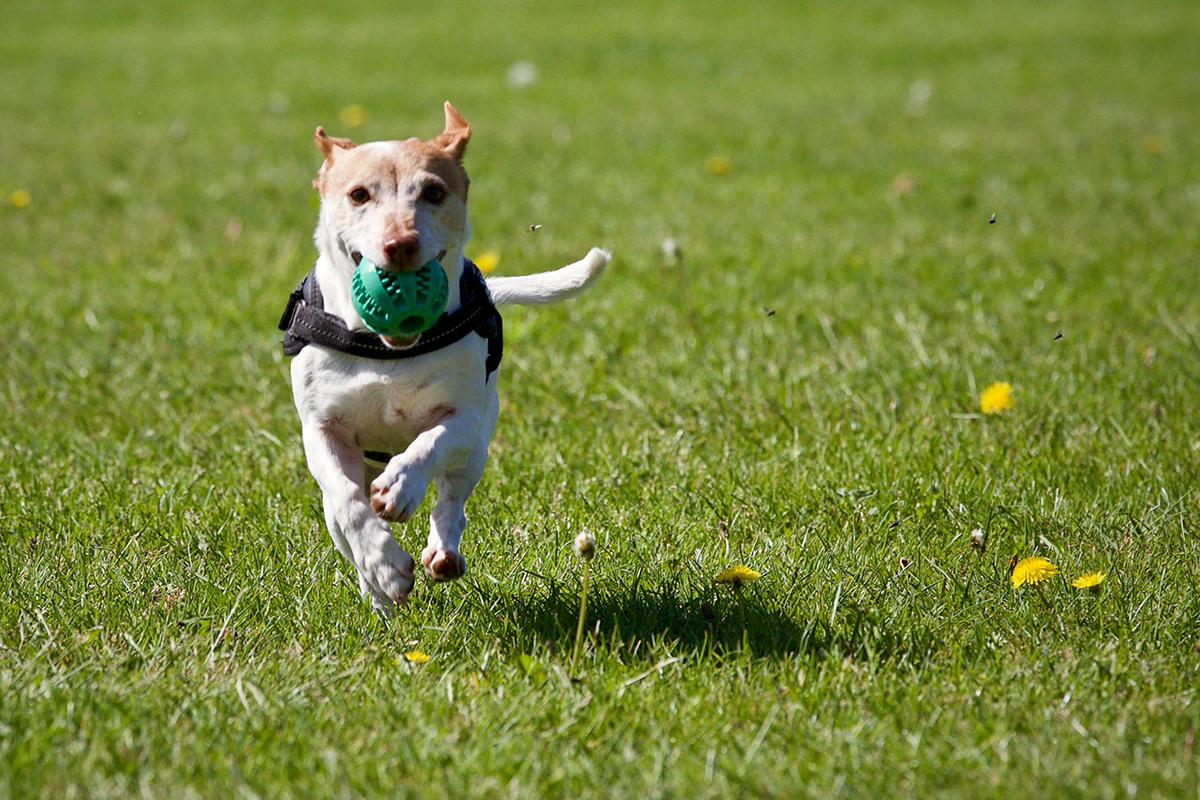
  • Interactive Play: Games like fetch or tug stimulate both body and mind

  • Routine: Consistent exercise times help regulate digestion

  • Variety: Mix up walking routes to keep your dog engaged

Even modest improvements can lead to noticeable changes in behaviour, health, and cleanliness at home.


Contact Us

Canine Fitness Month is more than a reminder to walk your dog—it’s an opportunity to improve your pet’s health, your home environment, and your overall quality of life. From behavioural challenges to garden hygiene issues, the effects of poor fitness are far-reaching—but they’re also highly manageable with the right approach and support.

If you’re finding it difficult to keep up with the mess while working on your dog’s routine, why not let Poop Patrol help you reclaim your outdoor space—so you can focus on enjoying time with your pet instead?

Call us today on 0800 148 8088 or use our contact form to get started—because doesn’t your home (and your dog) deserve better?

Name
How Many Dogs Do You Have?
Do You Require De-Odourising Services As Well?
Do You Want To Hear More From Us?
Communications Preferences
By agreeing to this, I agree to receiving updates about our services, promotions, special offers, news and events from Infinity ProServ Ltd (T/a Poop Patrol) and any sister companies.

Continue reading

Poop Patrol has a look at the critical role carers at home play, and how we can help!

Supporting Carers at Home: Practical Help for Families Under Pressure

Supporting Carers at Home: Practical Help for Families Under Pressure

It often starts quietly. A daughter popping round after work to help in the garden. A neighbour lending a hand because “it’s easier if I do it for them.” A partner taking on one more task because it feels simpler than asking for help. For many carers and family members, supporting a loved one at home isn’t a single decision — it’s a gradual shift, where responsibilities build up until something has to give. One area that’s often overlooked is the garden and outdoor spaces, yet these can become a source of stress, safety concerns, and emotional strain for everyone involved.

Support for carers at home isn’t just about medical care or personal assistance — it’s about reducing the everyday pressures that quietly pile up.


Poop Patrol has a look at the critical role carers at home play, and how we can help!

The Growing Reality for Carers in the UK

According to Carers UK, there are around 5.7 million unpaid carers in the UK, with many providing care alongside work and family responsibilities. Alarmingly, over 70% of carers report feeling overwhelmed, and nearly half say their own health has suffered as a result.

The Office for National Statistics also highlights that the number of people aged 65 and over continues to rise, increasing demand on informal care provided by family members rather than formal services.

These figures highlight a simple truth: carers are doing more than ever, often without enough support.


Why Gardens Become a Hidden Pressure Point

When supporting a loved one at home, outdoor maintenance is rarely the top priority — until it becomes unavoidable. As a nation of pet lovers; particularly dogs, the additional workload associated with pets does not go unnoticed. Common challenges carers face include:

  • Clearing dog waste or animal mess safely and hygienically

  • Managing uneven lawns, paths, and outdoor hazards

  • Avoiding tasks that involve bending, lifting, or prolonged standing

  • Finding time for jobs that feel unpleasant, awkward, or unsafe

From a practical standpoint, these tasks can pose real safety risks. From a human perspective, they can also cause embarrassment for the person receiving care, or guilt for the carer who feels they should be able to “keep on top of everything”.


The Emotional Weight Carers Carry

Caring isn’t just physical work — it’s emotional labour. Many carers describe:

  • Worry about accidents or hygiene

  • Frustration at not being able to do everything themselves

  • Fear of taking away a loved one’s independence

  • Stress from juggling multiple responsibilities

A cluttered or poorly maintained garden can become a visible reminder of how much has changed — and that can be tough for both sides.


Practical Support That Respects Independence

This is where discreet, practical services can make a meaningful difference. Poop Patrol helps homeowners by quietly taking care of unpleasant or difficult outdoor tasks, reducing health risks and freeing up time and energy for what really matters.

By removing just one source of pressure, carers can focus on supporting their loved ones emotionally — not worrying about what still needs doing outside.

Based predominantly in North Essex and South Suffolk, we regularly support households where mobility, health, or time constraints make certain outdoor jobs more difficult than they used to be.


Support for Carers at Home Starts with Small Changes

No one expects carers to do everything alone — and they shouldn’t have to. Practical help around the home isn’t about giving up independence; it’s about adapting to life as it changes.

If you’re supporting a loved one and want to reduce risk, stress, and workload, call 0800 148 8088 or use our contact form below to see how we can help — because wouldn’t life feel a little easier with one less thing to worry about?

Name
How Many Dogs Do You Have?
Do You Require De-Odourising Services As Well?
Do You Want To Hear More From Us?
Communications Preferences
By agreeing to this, I agree to receiving updates about our services, promotions, special offers, news and events from Infinity ProServ Ltd (T/a Poop Patrol) and any sister companies.

Continue reading

Poop Patrol take a look at Walk Your Dog Month and how it can offer you some fantastic experiences with your four-legged friends

Walk Your Dog Month: Boost Health & Happiness for You and Your Pup

Walk Your Dog Month: Boost Health & Happiness for You and Your Pup

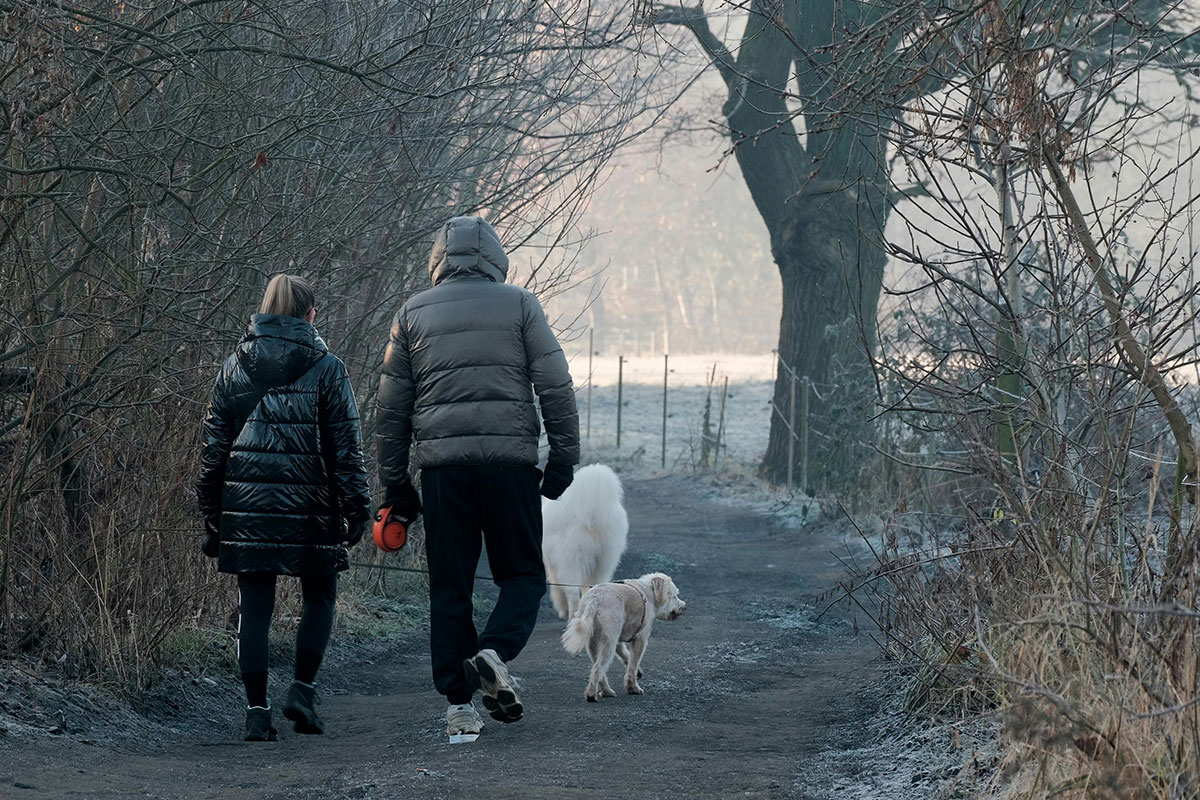
January is Walk Your Dog Month, a perfect opportunity to celebrate daily strolls with your four-legged friend and make the most of this simple yet powerful ritual early in the year. Whether you’re in North Essex, South Suffolk, or beyond, regular dog walks can transform both you and your dog’s wellbeing—mentally, physically, and emotionally.

Poop Patrol take a look at Walk Your Dog Month and how it can offer you some fantastic experiences with your four-legged friends

Why Walk Your Dog Month Matters

Physical Health Benefits for Dogs and Owners
Daily walks are essential for dogs of all ages and breeds, helping maintain a healthy weight, support joints and muscles, and reduce the risk of multiple health issues like arthritis or diabetes. In the UK, around 51% of dogs are considered overweight or obese, with walk routines playing a major role in managing canine weight and vitality.

It’s not just your dog that wins: studies show dog owners are generally more active than non-owners, averaging around 240 minutes of activity per week compared to 180 minutes for people without dogs. Owners also report feeling less stressed and happier after walks, showing the benefits go both ways.

Mental Stimulation and Bonding
Walks are sensory adventures for dogs—full of new sounds, smells, and sights that offer essential mental enrichment. For humans, stepping outside in the fresh air helps reduce stress, boosts mood, and can even improve cardiovascular fitness.

Routine matters too: knowing your dog thrives on structure can motivate you to stick with daily activity, which improves both behaviour and wellbeing for you and your pooch.

Tackling the UK Winter

January in the UK can be cold and dark, but Walk Your Dog Month is the perfect excuse to embrace winter walks with a sense of purpose. Dressing your dog appropriately, using reflective gear in low light, and protecting paws from grit and ice will make outings safer and more enjoyable.

It’s also worth noting that during winter many owners report signs of lethargy or behaviour changes in their dogs if walks are shortened or skipped—but the simple act of heading out together can lift both your spirits.

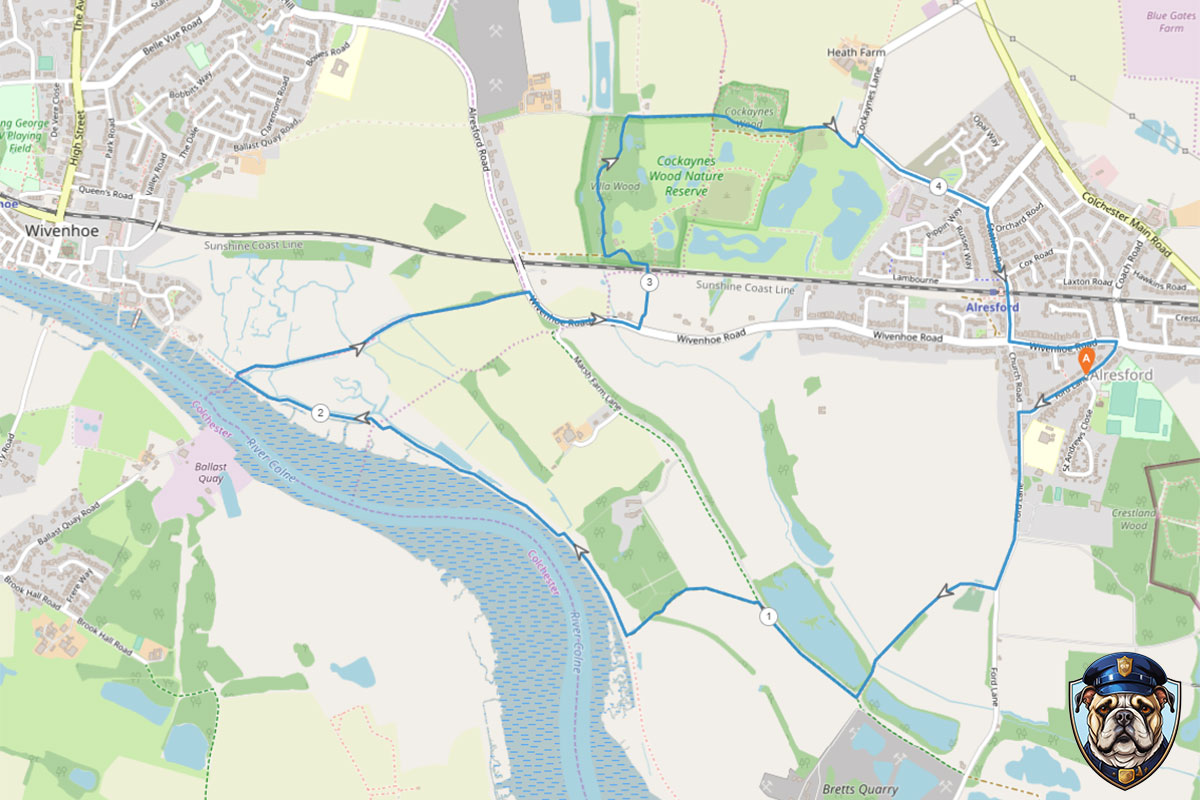
Our Favourite Walk: Alresford Circular

One of our favourite walks in the region starts in the centre of Alresford, parking at the Village Hall. This 5km circular route simply has it all; historical sights, River Colne views, a choice of lovely pubs in Wivenhoe and then a grand finale of the lovely Cockaynes Wood.

The walk is perfect for all seasons: wide open spaces make it ideal for sniffing and exploration, woodland sections allowing for some respite in wintry conditions and the river and those views keep you refreshed and energised. Many local dog walkers tell us this route has become part of their daily routine precisely because it strengthens the bond with their dog and feels like a breath of fresh air for the soul too.

As you explore this walk—or create your own local route—keep in mind that every kilometre walked is a win for your dog’s health, behaviour, and happiness.

As we said, park at the village hall in Alresford, and follow the route in the map below. When you reach the right turn along the river bank to head up towards Cockaynes Wood, you have the option to continue on a short way to walk into Wivenhoe. Here you can take a break crabbing in the summer, or visiting either the Rose and Crown or Black Buoy pubs – both of which offer fantastic food and drinks.

January is Walk Your Dog Month, this is our favourite North Essex walk. A circular route starting and finishing in Alresford, but taking in open fields, woodland, riverside and a nature reserve - all within 5KM!

Tips to Make the Most of Walk Your Dog Month

  • Set a daily walking goal – aim for consistent, even short, walks rather than sporadic long ones.

  • Vary your route – new surroundings equal new mental stimulation.

  • Bring treats and toys – reward positive behaviour and keep walks fun.

  • Stay safe – use reflective gear in low light and be mindful of winter hazards.

Closing Thoughts

Walk Your Dog Month is more than a calendar event—it’s a chance to build a healthier, happier lifestyle for both you and your dog. By setting a positive walking routine in January, you’re giving your pup the gift of stimulation, fitness, and joy while improving your own wellbeing too. Ready to make this Walk Your Dog Month one to remember?

Call Poop Patrol today at 0800 148 8088 or visit our contact form to share your favourite walks or find out how we can help keep local spaces clean throughout your adventures.

Name
How Many Dogs Do You Have?
Do You Require De-Odourising Services As Well?
Do You Want To Hear More From Us?
Communications Preferences
By agreeing to this, I agree to receiving updates about our services, promotions, special offers, news and events from Infinity ProServ Ltd (T/a Poop Patrol) and any sister companies.

Continue reading

Many people take on the joys of a new puppy at Christmas. In this article, Poop Patrol looks at responsible dog ownership, and just what it takes to keep us and our four-legged friends to live in harmony!

Got a Dog for Christmas? A New Owner’s Guide to Responsible Dog Ownership

Got a Dog for Christmas? A New Owner’s Guide to Responsible Dog Ownership

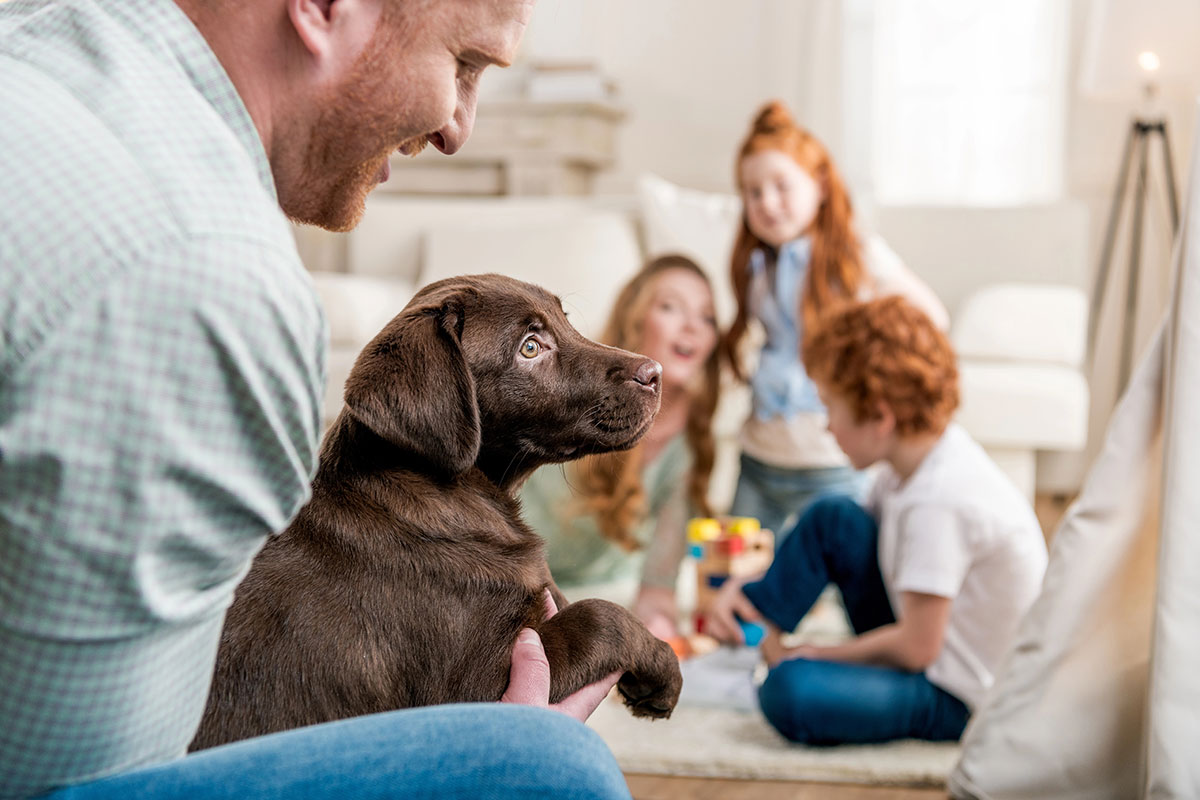
Bringing a dog into your home at Christmas is exciting, emotional and often unforgettable. But once the decorations come down and routines return, many new owners quickly realise that responsible dog ownership involves far more than food bowls and festive photos.

From training and health to home hygiene and outdoor spaces, a new dog changes how your household works. This guide is designed to help UK homeowners understand the most common challenges — and how to manage them calmly, practically and responsibly.

Many people take on the joys of a new puppy at Christmas. In this article, Poop Patrol looks at responsible dog ownership, and just what it takes to keep us and our four-legged friends to live in harmony!

Responsible Dog Ownership Starts at Home

The UK is a nation of dog lovers. Around 13.5 million dogs live in UK households, with over a third of homes owning at least one dog. That’s wonderful – but it also means millions of households are adapting their homes, gardens and routines to suit a new four-legged family member. Responsible dog ownership is about balancing:

  • Your dog’s needs

  • Your household’s wellbeing

  • The wider community you live in

That balance can be harder than expected at first.


The Hidden Challenges of a New Dog in the Home

Routine Shock

Dogs thrive on consistency, but new owners often underestimate how much structure is needed – especially in the first few months. Feeding times, toilet breaks, walks, training and rest all need to fit around work, school runs and family life.

Without a routine, stress builds quickly — for both humans and dogs.


Hygiene & Cleanliness

One of the biggest adjustments for homeowners is managing mess:

Dog waste in particular isn’t just unpleasant — it’s a health concern. Dog faeces can carry parasites such as Toxocara, which can pose risks to children and vulnerable adults if not properly managed.


Gardens, Lawns & Shared Spaces

For homeowners, gardens often take the biggest hit:

  • Patchy lawns

  • Lingering smells

  • Increased flies and pests

  • Problems in shared or neighbouring spaces

Left unmanaged, dog waste can damage grass and soil and become a point of tension between neighbours — something no new owner wants.


Life Beyond Your Front Door

Responsible dog ownership doesn’t stop at your gate.

Across the UK, dog fouling remains a significant issue for councils and communities. Many local authorities issue fines for failing to clean up after dogs, often reaching £100 or more.

But beyond fines, there’s the social impact:

  • Parents with pushchairs

  • Children playing on grass

  • Elderly residents using footpaths

Most dog owners care deeply – but busy lives and inexperience can make consistency difficult, especially early on.


Making Responsible Dog Ownership Easier

Here are practical steps that genuinely help:

Build systems, not good intentions

  • Keep waste bags by the door, in coats and in the car

  • Walk familiar routes until habits form

  • Accept that reminders and backups are normal

Accept help when life gets busy

Responsible ownership doesn’t mean doing everything alone. Many homeowners choose professional help for tasks that are unpleasant, time-consuming or easy to fall behind on.

This is where Poop Patrol, operating across North Essex and South Suffolk, can support homeowners by keeping gardens and outdoor spaces clean – allowing families to enjoy their dogs without added stress.

(And no — using a service doesn’t make you irresponsible. Quite the opposite.)


The Human Side of New Dog Ownership

It’s important to say this clearly:

Most problems don’t come from bad owners — they come from tired, busy, well-meaning people adjusting to something new.

Responsible dog ownership is a process, not a switch. Habits take time, mistakes happen, and support matters.

Contact Us

A dog can bring enormous joy to a home, but responsible dog ownership means thinking beyond the excitement — considering hygiene, routine, shared spaces and the people around you. With realistic expectations, simple systems and the right support, new dog owners can create a happy, healthy environment for everyone involved.

If you’d like help keeping your garden or outdoor areas clean while you settle into life with a new dog, call 0800 148 8088 or use our contact form to see how we can support your home — would that make your new routine easier?

Name
How Many Dogs Do You Have?
Do You Require De-Odourising Services As Well?
Do You Want To Hear More From Us?
Communications Preferences
By agreeing to this, I agree to receiving updates about our services, promotions, special offers, news and events from Infinity ProServ Ltd (T/a Poop Patrol) and any sister companies.

Continue reading

Poop Patrol look at the range of hazards for dogs that are posed at Christmas time!

Christmas Hazards for Dogs: Foods & Decorations to Avoid

Christmas Hazards for Dogs: Foods & Decorations to Avoid

Christmas is a magical time of year… but not always for our dogs. With visitors coming and going, exciting smells, dropped food and shiny decorations everywhere, the festive season brings a surprising number of risks for our four-legged friends. In fact, a survey by The British Veterinary Association said that 77.3% of vets surveyed said they had treated cases of toxic ingestion in dogs caused by sultanas or raisins over the past 12 months – a key component of our favourite mince pies!

To help keep your home (and garden!) safe this Christmas, Poop Patrol has put together a simple guide to the most common holiday hazards and how to avoid them.

Poop Patrol look at the range of hazards for dogs that are posed at Christmas time!

Hazard 1: Christmas Foods to Keep Away From Dogs

Chocolate

Found in advent calendars, tree decorations, selection boxes and gifts. Chocolate contains theobromine, which is toxic to dogs.

Raisins, Sultanas & Grapes

A small amount can cause serious illness. These appear in mince pies, Christmas pudding and fruit cake.

Onions, Garlic & Leeks

Often used in stuffing, gravy and leftover roast dinners. These can damage red blood cells.

Alcohol

Spilled drinks and unattended glasses can cause sickness, wobbliness and collapse.

Cooked Bones

Turkey or chicken bones splinter easily and can cause choking or internal injuries.

Xylitol (Artificial Sweetener)

Found in some sugar-free snacks and peanut butters.

Macadamia Nuts

Sometimes in nut bowls or festive snack trays.

Tip: Show guests where to leave plates and warn children not to feed the dog “treats”.


Hazard 2: Christmas Decorations

Baubles & Ornaments

Shiny, dangling and irresistible to dogs. Glass baubles can shatter, and plastic ones can be swallowed.

Tinsel & Ribbons

These can cause blockages if eaten — especially by curious puppies.

Christmas Trees

  • Tree needles can irritate the stomach.

  • Tree water may contain fertiliser or bacteria.

  • Low-hanging decorations can be pulled off easily.

Fairy Lights & Electric Cables

Chewing cables can cause electric shocks. Try to keep wires hidden or raised.


Hazard 3: Candles & Scents

Candles, wax melts and diffusers can burn noses or cause skin irritation if knocked over or spilled. Keep them high up and away from wagging tails.


Hazard 4: Winter Garden Dangers

Cold weather doesn’t remove outdoor risks — in fact, it can make them worse.

Hidden mess and bacteria

Dog waste lasts longer in cold weather and is harder to spot under frost or leaves. This increases bacterial risks for dogs and visiting children.

Rubbish & Leftover Food

Festival leftovers thrown into outdoor bins can tempt dogs into dangerous scavenging.

Sharp or broken objects

Winter storms can blow decorations or rubbish into gardens.

This is where Poop Patrol helps: a clean, checked garden reduces winter risks and makes your outdoor space safer for Christmas visitors.


What to Do if Your Dog Eats Something Unsafe

If you think your dog has eaten something harmful:

  • Call your vet immediately

  • If out of hours, contact an emergency clinic

  • Keep any packaging or evidence

  • Don’t wait for symptoms

Fast treatment makes the biggest difference.

Keep Christmas Safe With a Clean Garden

If you’re hosting friends or family this Christmas, a tidy garden helps everything feel calmer, safer and ready for little ones (and visiting dogs).

Poop Patrol covers Clacton, Colchester, Frinton, Harwich, Walton, Dedham and the wider Essex area.

If you’d like to book a one-off Christmas clean or arrange regular visits, please use our contact form below and we’ll get you sorted.

Name
How Many Dogs Do You Have?
Do You Require De-Odourising Services As Well?
Do You Want To Hear More From Us?
Communications Preferences
By agreeing to this, I agree to receiving updates about our services, promotions, special offers, news and events from Infinity ProServ Ltd (T/a Poop Patrol) and any sister companies.

Continue reading

On International Veterinary Medicine Day, Poop Patrol look at the importance vets play in looking after our beloved dogs.

International Day of Veterinary Medicine: What Dog Owners Should Know

International Day of Veterinary Medicine: What Dog Owners Should Know

As you settled down one crisp autumn evening in your North Essex home, the family dog, Rex, gave a familiar quiver of discomfort after an unexpected tumble in the garden. Rushing him to the vet, you waited anxiously, heart in your throat—only to realise just how dependent we all are on the unseen work of veterinary medicine.

That’s why, this year, as we mark International Day of Veterinary Medicine, it’s worth reflecting on what veterinary care means—for your pet, your household, and the health of your home environment.

On International Veterinary Medicine Day, Poop Patrol look at the importance vets play in looking after our beloved dogs.

Why the International Day of Veterinary Medicine matters

Observed every year on 9 December, the International Day of Veterinary Medicine recognises the crucial role of veterinary professionals in protecting both animal and human health.

For homeowners in domestic settings—dogs, cats, rabbits, even fish or reptiles—the term “veterinary medicine” might bring to mind vaccinations or treatments, but the implications reach further: it’s about safe pets, safe homes and safe neighbourhoods.

Common problems associated with veterinary medicine for homeowners

1. Overlooked pet-health issues in the home

Many domestic pet owners assume minor symptoms will “go away on their own”, but pet illnesses can impact the home: scratched furniture, soiled carpets, interrupted sleep and the emotional stress of worrying. According to a UK survey, 67% of households owned a dog and 45% a cat, and the average number of vet visits over two years was 5.9 for dogs, 4.7 for cats.

When veterinary medicine doesn’t catch these issues early, homeowners may face larger mess, costlier cleaning or structural damage—especially if pets urinate in hidden areas or get into hazardous spaces in the home.

2. Zoonotic risks and household contamination

“Veterinary medicine” isn’t only about treating animals—it’s about preventing diseases that can pass to humans. For example, 76% of UK respondents believed that vaccinating farm animals helps prevent diseases transferring to people. NOAH (National Office of Animal Health)

In the domestic context: fleas, ticks, worms or infections can cross from pet to human or contaminate soft furnishings or gardens. A home-care business such as Poop Patrol often supports homeowners when dealing with the aftermath of such issues, from soiled carpets to de-contaminating outdoor runs.

3. The technical side: drug resistance, treatment delays, cost stress

In the veterinary profession, major challenges include antimicrobial resistance and the need for preventive medicine.

For homeowners, this translates into potential delays in your pet’s treatment, higher costs and complicated cleaning routines in the home if infections persist or spread. Add to that the stress of caring for a poorly pet while keeping the household running—and it becomes a real domestic disruption.

4. Human-emotional impact and home disruption

When a family pet falls ill, the ripple effect is felt across the home. Whether it’s sleepless nights, the cost of veterinary bills, or dealing with cleaning after accidents, the burden often falls on the homeowner.

For contractors providing cleaning or maintenance services in North Essex and South Suffolk, these situations attract calls for urgent work: pet-accident removal, deep cleaning of upholstery, disposal of odours and contaminants. That’s where Poop Patrol steps in with specialists who understand pet-related mess and its link to veterinary issues.

What homeowners can do to strengthen the link between veterinary medicine and home-care

  • Schedule regular check-ups for pets: Since 67% of pet owner survey respondents visited vets within six months.

  • Prevent rather than cure: Awareness that pets should be regularly checked, treated for ticks/fleas and given preventive meds is strong among UK owners.

  • Maintain your home environment: Keep pet-areas clean, dry and accessible for inspections—especially if pets spend time outdoors or in sheltered garden buildings.

  • Be ready to call professionals when cleaning becomes complicated: Loose stools, infections or odour issues after veterinary treatment may demand specialist cleaning beyond usual DIY.

  • Build a local service network: For residents in North Essex and South Suffolk, having contact details of both a trusted vet and a trusted home-care responder (for example Poop Patrol) means faster recovery from pet-related incidents.

Celebrating the professionals behind veterinary medicine

Let’s take a moment to appreciate the quiet heroism of the veterinary profession. A 2023 survey found there were 328,494 veterinary professionals across Europe, 65% female and 67% in private practice.

Without their expertise we’d be facing more home-health and domestic-maintenance issues than we might realise.

As homeowners across North Essex and South Suffolk reflect on the role of veterinary medicine in our lives this International Day of Veterinary Medicine, it’s clear that the welfare of our pets is deeply linked to the welfare of our homes. From preventive care to specialist cleaning, the chain is real.

If you’re facing any issues at home linked to pet health or mess, help is just a phone call or contact form away. Get in touch with us today on 0800 148 8088 or use our online contact below form to find out how we can assist you – are you ready to protect your home and your pets together?

Name
How Many Dogs Do You Have?
Do You Require De-Odourising Services As Well?
Do You Want To Hear More From Us?
Communications Preferences
By agreeing to this, I agree to receiving updates about our services, promotions, special offers, news and events from Infinity ProServ Ltd (T/a Poop Patrol) and any sister companies.

Continue reading

Poop Patrol were called in to assist with some emergency waste clearance for a homeowner who'd moved out, but left behind some memories of their five dogs.

Poop Patrol to the Rescue: Emergency Waste Clearance

Poop Patrol to the Rescue: Emergency Waste Clearance

Moving house can be stressful enough without unexpected surprises — especially when they come in the form of five dogs and over an acre of garden left uncleared! Recently, Poop Patrol was called to a stunning countryside property for some emergency waste clearance where the previous owners, having just downsized and moved out the day before, realised they had accidentally left behind quite the mess.

The 1.3-acre garden had been home to their beloved pets for years, and with the whirlwind of packing, removals, and goodbyes, the dog waste had been forgotten. The new homeowners, understandably keen to enjoy their beautiful new surroundings, needed a swift and thorough solution. That’s where Poop Patrol stepped in.

Poop Patrol were called in to assist with some emergency waste clearance for a homeowner who'd moved out, but left behind some memories of their five dogs.

Rapid Response — Even in the Torrential Rain

Despite the day bringing torrential rain, our team tackled the large-scale clean-up with speed and precision. Every area of the garden was inspected, cleared, and left clean, safe, and ready to enjoy once more. Within hours, the property was fully transformed — and the new owners were delighted with the results.

This job was a perfect reminder that unexpected tasks can crop up during the moving process, but with the right help, they don’t need to become major headaches.

Why Professional Dog Waste Clearance Matters

Whether it’s a one-off clearance after a move or regular maintenance for busy households, professional dog waste clearance helps maintain hygiene, protects lawns, and ensures gardens stay safe for families and pets alike. Large properties, especially those in rural Essex and Suffolk, can be tricky to keep on top of — which is why homeowners increasingly turn to expert services like ours for reliable, efficient results.

At Poop Patrol, we understand the importance of a clean outdoor space and pride ourselves on delivering discreet, dependable help when it’s needed most.

Conclusion

From sprawling country estates to suburban gardens, every homeowner deserves a clean, safe outdoor space free from pet waste. So, if you’ve recently moved home — or simply need help staying on top of your furry friends’ mess — why not let the experts lend a hand?

Contact Us Today for Emergency Waste Clearance!

📞 Call us today on 0800 148 8088 or reach out through our contact form below to arrange your own garden rescue mission.

Could your garden use a visit from the Poop Patrol?

Name
How Many Dogs Do You Have?
Do You Require De-Odourising Services As Well?
Do You Want To Hear More From Us?
Communications Preferences
By agreeing to this, I agree to receiving updates about our services, promotions, special offers, news and events from Infinity ProServ Ltd (T/a Poop Patrol) and any sister companies.

Continue reading

This Remembrance Sunday, Poop Patrol looks at the role our beloved dogs have played in past conflicts, and how they continue to today.

Remembrance Sunday: remembering Britain’s four-legged heroes

Remembrance Sunday: Remembering Britain’s four-legged heroes

For many UK households, our pets are family. On Remembrance Sunday, we pause to honour human service and sacrifice—and it’s also a fitting moment to recognise the courage of animals who served alongside them. We explore how to mark Remembrance Sunday at home, the role dogs have played in conflict, and where you can learn more.

This Remembrance Sunday, Poop Patrol looks at the role our beloved dogs have played in past conflicts, and how they continue to today.

What is Remembrance Sunday?

Remembrance Sunday is observed across the UK on the second Sunday of November, with two minutes’ silence at 11:00, local wreath-laying at community memorials, and the national ceremony at the Cenotaph in Whitehall. It commemorates the contribution of British and Commonwealth military and civilian personnel in the World Wars and later conflicts.

Remembrance Sunday – a brief history of service dogs

Dogs have supported troops for over a century: carrying messages and medical kits, locating the wounded, detecting explosives and weapons, guarding perimeters, and boosting morale. Accounts from the First World War describe trained first-aid and messenger dogs working under fire to find casualties or relay critical information across trenches.

The animals’ “Victoria Cross”

Britain’s veterinary charity PDSA created the Dickin Medal in 1943 to recognise “conspicuous gallantry or devotion to duty” by animals in conflict. As of 2023, the medal has been awarded 74 times (including an honorary award to all animals of WWI), with recipients comprising 38 dogs, 32 pigeons, 4 horses and 1 cat – a powerful reminder that service takes many forms.

A place to pay respects in London

If you’re near the capital, the Animals in War Memorial on Park Lane, Hyde Park, bears the inscription “They had no choice.” Unveiled in November 2004 and designed by David Backhouse, it commemorates animals that served and died under British command. It’s a thoughtful stop for families visiting London around Remembrance Sunday.

Why this matters to homeowners and families

Britain is a nation of pet lovers: in 2024, an estimated 17.2 million UK households (60%) owned at least one pet, and around 28% of UK adults had a dog—roughly 10.6 million dogs nationwide. On Remembrance Sunday, small acts at home—quiet, inclusive, and age-appropriate—help connect family life with national remembrance.

Simple, respectful ways to mark Remembrance Sunday at home (with your dog)

  • Keep the two minutes’ silence at 11:00. If your dog reacts to door knocks or traffic, settle them beforehand with a short walk and enrichment (a snuffle mat or calm, quiet space). Timing the routine helps children understand and participate.

  • Wear a poppy and talk about its meaning. The Royal British Legion’s Poppy Appeal remains a major national fundraiser; in 2021, supporters raised £38.6 million – funds that provide practical help to the Armed Forces community. 

  • Share a story. Read age-appropriate accounts of Dickin Medal recipients (for example, military working dogs or the carrier pigeons that braved hostile skies). Linking a short story to the silence helps children—and adults—frame the moment.

  • Visit a local memorial after the peak crowds. Many towns hold parades and services; later in the day can be quieter for nervous dogs. (Local ceremonies and wreath-laying are common features of Remembrance Sunday.)

  • Make a mindful walk. Choose a green space near a memorial. Keep dogs on leads, avoid congregations during services, and pick up after your pet so the area stays respectful for others.

The modern role of military working dogs

Today’s British Army and RAF Police dog teams train for detection (explosives, weapons, specialist search) and protection roles. Units such as the 1st Military Working Dog Regiment continue a century-long tradition, with handlers often rehoming retired dogs after service. These bonds underline why so many families choose to include pets in their remembrance rituals.

Talking points for families

  • Courage and care: Dogs didn’t choose danger, yet many saved lives—guided by training and the trust of their handlers. (Historical roles in WWI/WWII and later conflicts.)

  • Community: From village greens to city cenotaphs, XXX is observed locally—an opportunity to meet neighbours and veterans respectfully.

  • Giving: Buying a poppy, donating, or volunteering supports veterans and families today.

Travelling with pets on the day

If you plan to attend a service with your dog:

  • Check event guidance. Some ceremonies ask attendees to stand still for long periods; consider your dog’s temperament.

  • Arrive early, leave space. Give skittish dogs room at the edge of crowds and avoid the densest sections of a parade route.

  • Pack the basics. Water, biodegradable bags, and a spare lead. Keep treats to a minimum during the silence.

After the day: keeping remembrance alive

  • Learn together: Explore the Animals in War Memorial, or look up past Dickin Medal stories as bedtime reading.

  • Support year-round: The Royal British Legion’s work continues beyond November; local branches often welcome families at community events.


Frequently asked questions

Is Remembrance Sunday the same as Armistice Day?
Not exactly. Armistice Day is 11 November; Remembrance Sunday is the second Sunday of November (the nearest Sunday to the 11th). Many communities mark both.

Can I bring my dog to a local service?
Check local guidance. If permitted, position yourselves thoughtfully, keep your dog calm during the silence, and be ready to step away if they’re unsettled.

What’s an easy way to explain it to children?
Pair the poppy story with a true animal tale (for example, a Dickin Medal dog) and one simple action: wearing a poppy, keeping the silence, or placing a small paper poppy at a memorial.

Poop Patrol is here for everyday life with dogs—from daily walks to respectful community spaces. On Remembrance Sunday and all year round, we’re proud to live in a country that remembers.

Continue reading