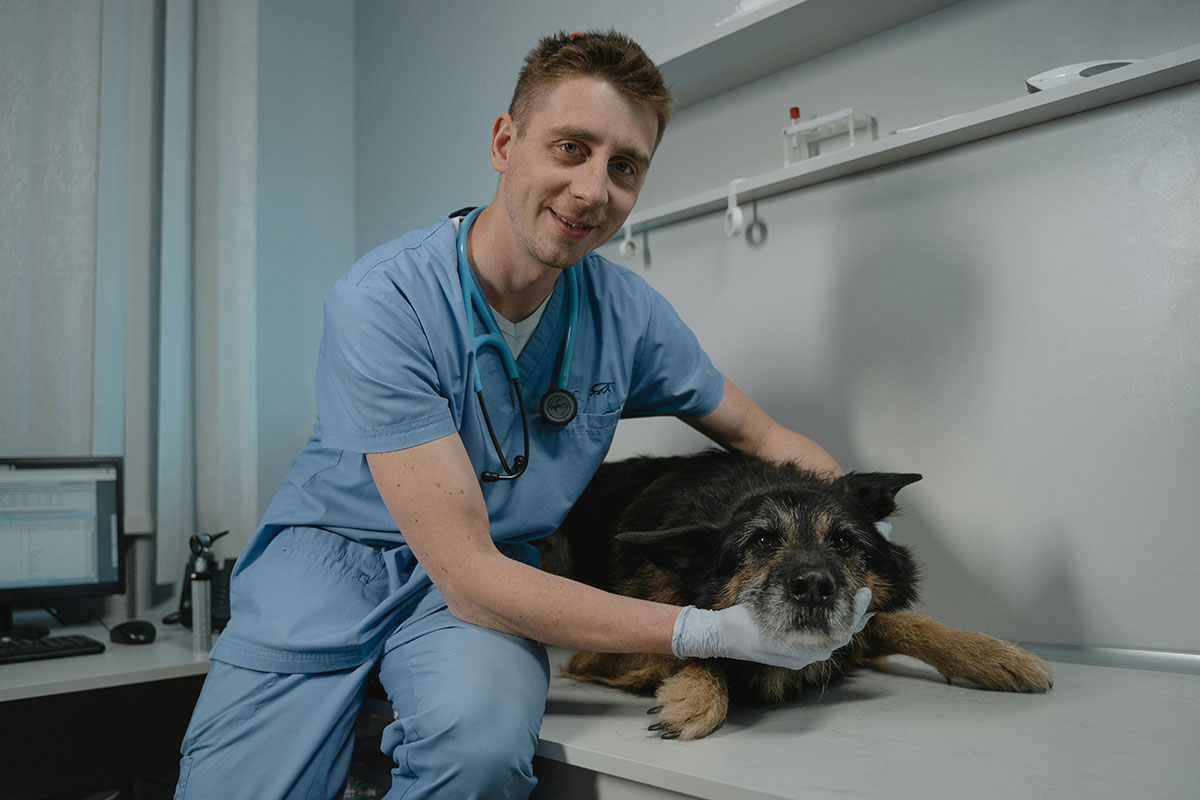
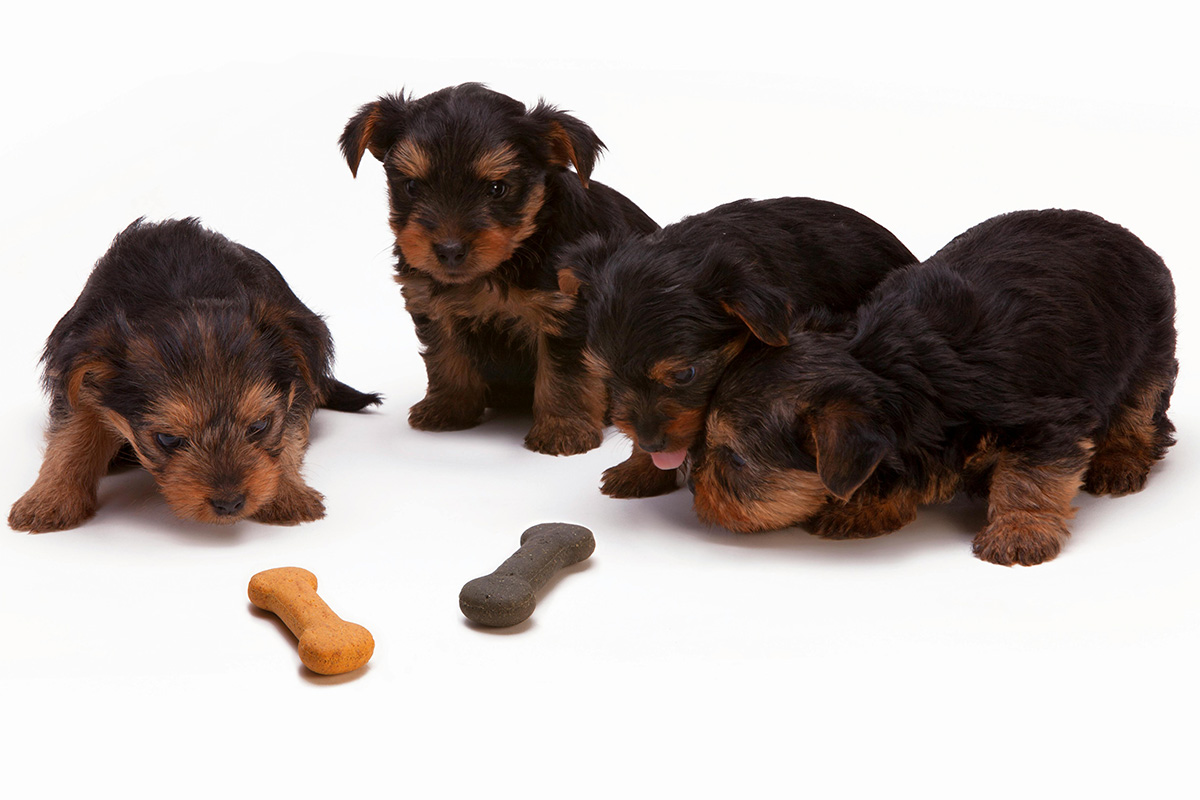
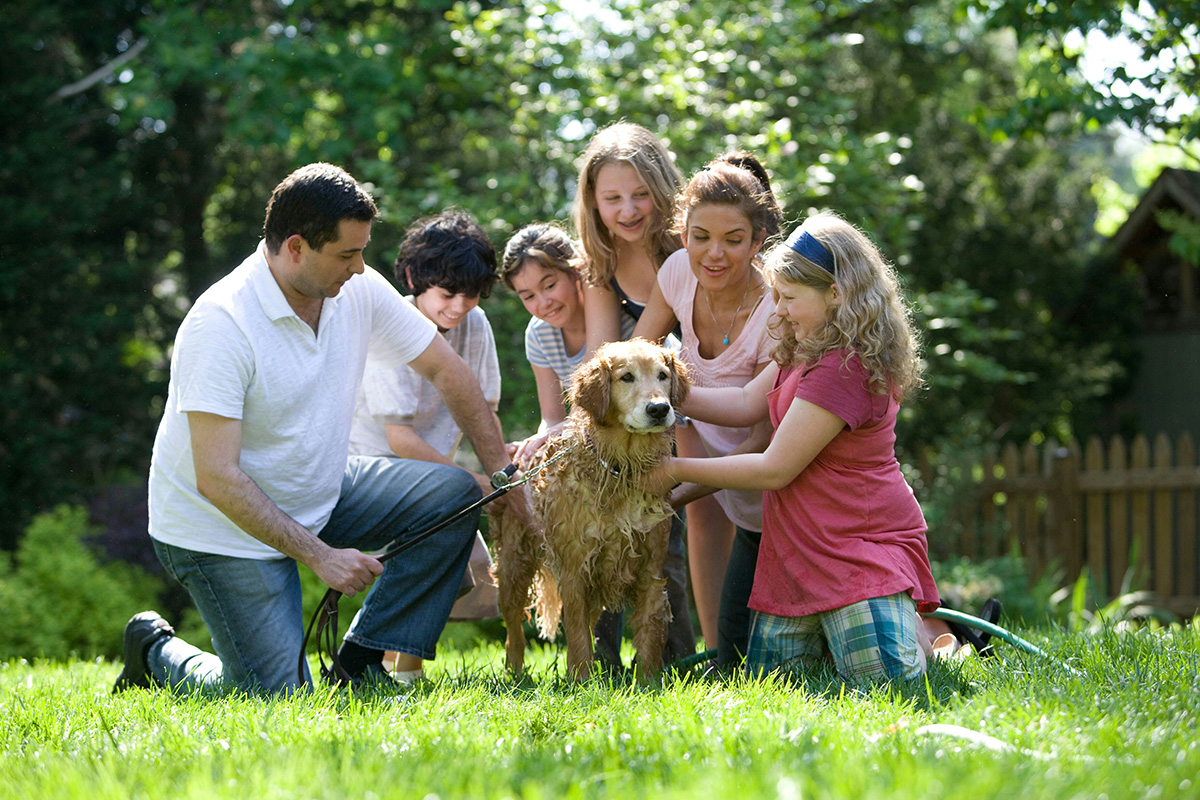
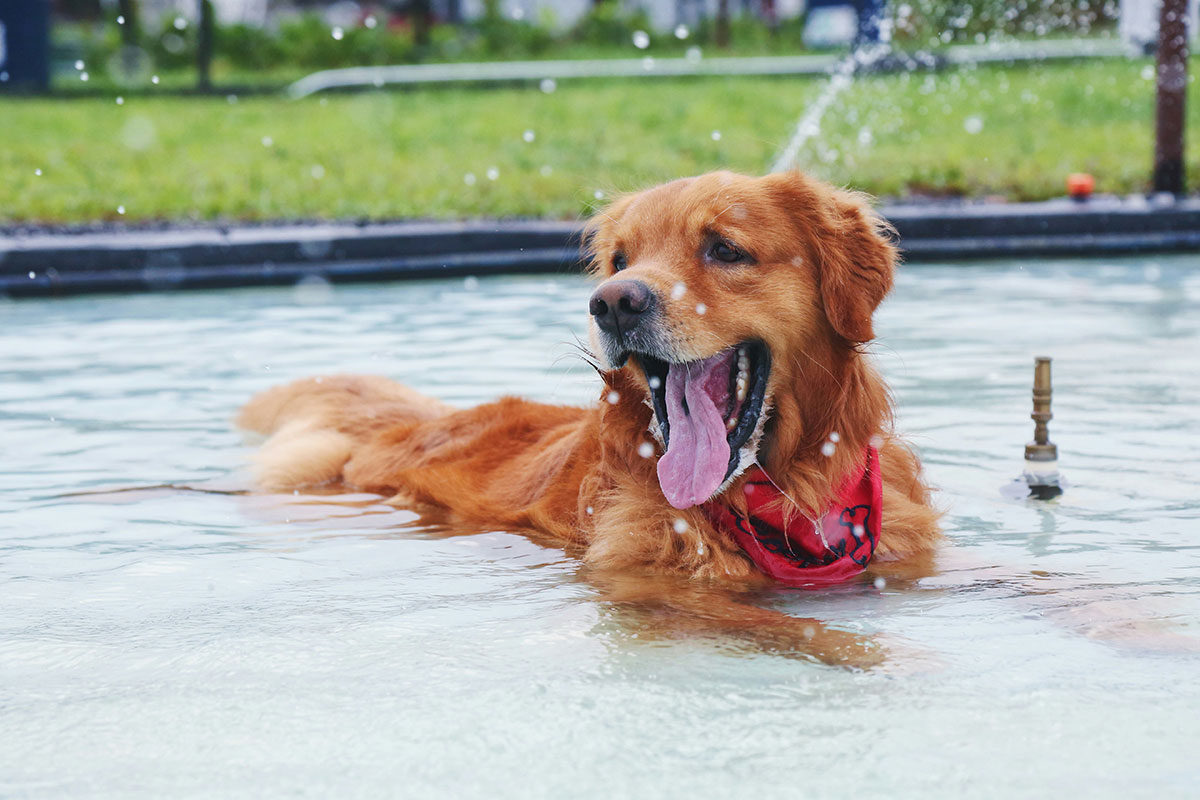
Our pets mean everything to us, so this National Pet Wellness Month, read Poop Patrol's guide to making sure you give them the very best lives.

Caring for Our Pets This National Pet Wellness Month: Health, Happiness, and Home Harmony

Caring for Our Pets This National Pet Wellness Month: Health, Happiness, and Home Harmony

October marks National Pet Wellness Month — a reminder for homeowners across the UK to take a closer look at their pets’ overall wellbeing. From nutrition and exercise to mental stimulation and hygiene, pet wellness is about more than just a yearly vet visit. It’s about creating a safe, enriching, and healthy home environment for our furry friends — and for us too.

As any pet owner knows, a healthy pet means a happier household. But what exactly does “pet wellness” mean, and what are the challenges British pet owners face today?

Our pets mean everything to us, so this National Pet Wellness Month, read Poop Patrol's guide to making sure you give them the very best lives.

Why National Pet Wellness Month matters

The changing face of pet ownership

The UK is a nation of animal lovers — in fact, 62% of households now own a pet, according to the Pet Food Manufacturers’ Association. Dogs remain the most popular at 13 million, followed by 12 million cats. But with this love comes responsibility — and not all owners feel confident managing every aspect of pet care.

A PDSA Animal Wellbeing (PAW) Report revealed that over 25% of UK pets are overweight, while 1 in 5 owners admit they don’t walk their dogs as often as they should. Stress-related behaviours are also on the rise, particularly since the pandemic, when more people began working from home.


The pillars of pet wellness

1. Physical health

Regular exercise, balanced nutrition, and routine vet check-ups form the foundation of a pet’s wellbeing. Poor diet or inactivity can lead to obesity, heart issues, and joint pain — all of which reduce quality of life. Even indoor pets benefit from daily play to maintain muscle tone and coordination.

2. Mental and emotional enrichment

Pets, especially dogs, thrive on structure, companionship, and stimulation. Without them, they can develop anxiety, destructive behaviour, or even depression. Simple changes like puzzle feeders, interactive play, and consistent routines can make a world of difference.

3. Hygiene and environment

A clean environment is essential for both pets and people. Regular grooming, bedding changes, and garden hygiene help prevent parasites, odour, and bacterial spread. Pet waste, if not managed properly, poses health risks to humans and other animals.

That’s where services like Poop Patrol, operating across North Essex and South Suffolk, can make life easier — ensuring gardens remain clean, safe, and pleasant for every family member, furry or otherwise.


Common wellness challenges for UK homeowners

  • Busy lifestyles: Long work hours or family commitments often mean exercise and grooming fall down the priority list.

  • Urban environments: Limited garden space or shared living means pets may lack adequate outdoor time.

  • Climate changes: Hotter summers and wetter winters can lead to paw irritation, dehydration, or reduced walk time.

  • Hidden stress: Routine changes, noise, or isolation can all trigger anxiety in pets — something many owners underestimate.

Even well-meaning owners can miss subtle warning signs. A study from RSPCA found that 40% of pet owners failed to recognise early signs of discomfort or illness in their animals.


Keeping your pet — and home — well

  1. Schedule annual health checks: Prevention is cheaper (and kinder) than cure.

  2. Feed appropriately: Match food portions to your pet’s age, breed, and energy level.

  3. Exercise daily: Even short walks or playtime improve circulation and mood.

  4. Maintain hygiene: Wash bedding weekly, clean feeding bowls daily, and manage waste responsibly.

  5. Keep your garden safe: Remove hazards, use pet-friendly cleaning products, and ensure no toxic plants are present.

  6. Check behaviour: Subtle changes — reduced appetite, hiding, excessive licking — often signal stress or illness.

  7. Plan for care: If work or travel keeps you away, arrange regular care visits or services to ensure consistency.

For homeowners who struggle to stay on top of hygiene, Poop Patrol provides professional outdoor waste management — keeping gardens clean, reducing bacterial risk, and helping maintain overall household wellness.


The human–animal connection

It’s easy to forget that pets don’t just live in our homes — they shape them. Studies show that pet owners report lower stress levels and higher happiness, with 9 in 10 saying their pet improves their mental wellbeing. Caring for a pet encourages structure, empathy, and social connection — qualities that enhance our own lives as much as theirs.

This National Pet Wellness Month, take a moment to reflect on what your pet needs to live their best life. A happy pet equals a healthier home.


Conclusion

Our pets depend on us not just for food and walks, but for a safe, stimulating, and hygienic environment that supports lifelong wellness. Whether it’s scheduling a vet visit, upgrading your waste management routine, or simply spending more quality time with your pet, small changes make a big difference.

So as National Pet Wellness Month reminds us — is your home truly supporting your pet’s health and happiness?

Contact Poop Patrol

Keep your home clean, your pets healthy, and your garden fresh. Contact Poop Patrol today to learn how we can help — call 0800 148 8088 or use our contact form to book a friendly consultation.

Name
How Many Dogs Do You Have?
Do You Require De-Odourising Services As Well?
Do You Want To Hear More From Us?
Communications Preferences
By agreeing to this, I agree to receiving updates about our services, promotions, special offers, news and events from Infinity ProServ Ltd (T/a Poop Patrol) and any sister companies.

Continue reading

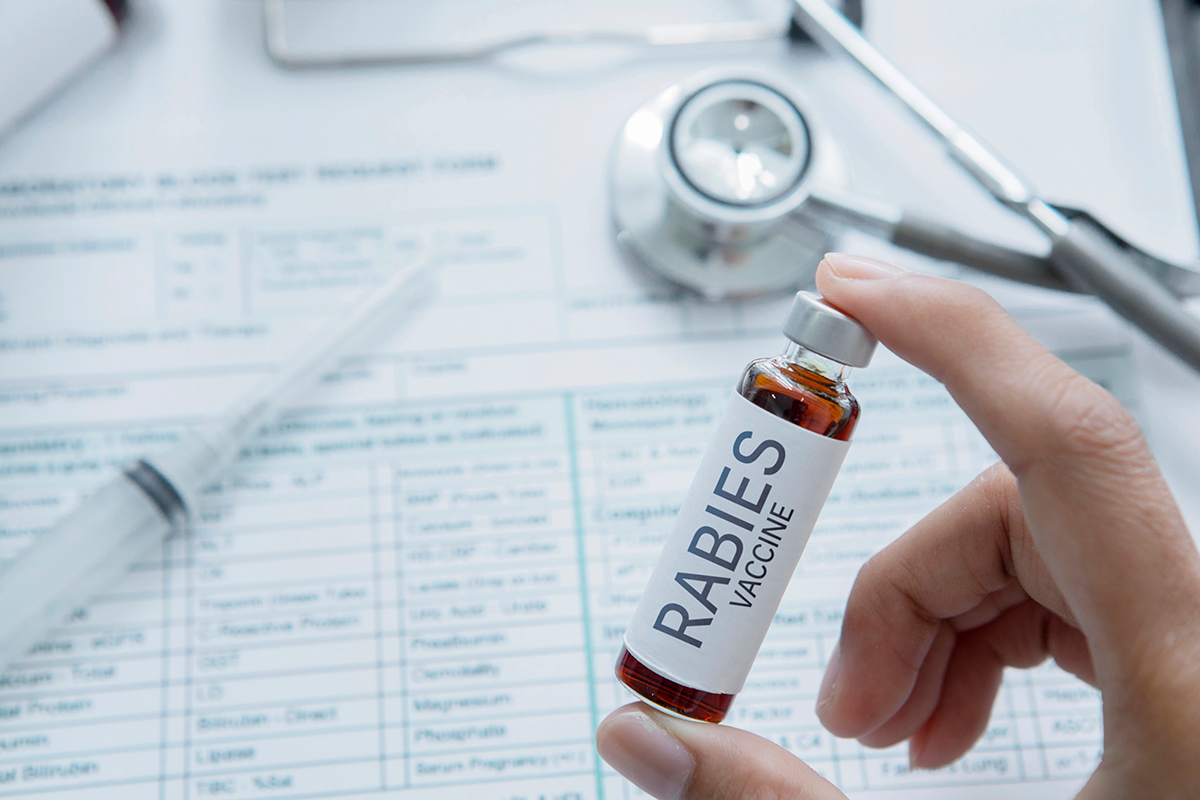
Find out why it's still vital to protect against Rabies for your four-legged friends.

World Rabies Day: Why Pet Owners Must Stay Aware

World Rabies Day: Why Pet Owners Must Stay Aware

Every year on World Rabies Day, pet owners are reminded of the dangers that rabies still poses globally. Although rabies is considered eliminated in the UK’s domestic animal population, cases still occur in other countries, and awareness is crucial for keeping our families and pets safe.

Find out why it's still vital to protect against Rabies for your four-legged friends.

What is Rabies and Why It Matters

Rabies is a viral disease that affects the central nervous system of mammals, including dogs, cats, and humans. Once symptoms appear, the disease is almost always fatal. According to the World Health Organization (WHO), rabies causes around 59,000 human deaths worldwide each year, with over 95% of cases linked to dog bites.

While the UK has robust pet vaccination programmes and strict animal import controls, international travel and the movement of animals across borders mean the risk cannot be ignored.

Why Pet Owners Should Care

Homeowners and pet owners may believe rabies is a distant problem, but international holiday travel and imported animals mean it could still reach our shores. For example, in 2022, the UK government reported several imported dogs testing positive for rabies-like viruses, highlighting the ongoing need for vigilance.

Beyond the technical side of disease control, rabies also brings emotional consequences. Families can face heart-breaking decisions when exposed to rabies risks, whether through pets or human contact. Responsible pet ownership—ensuring pets are vaccinated, microchipped, and properly supervised—remains essential.

The Human Element

The most painful truth about rabies is that it is preventable. Vaccinations for pets are readily available, and prompt treatment after exposure (post-exposure prophylaxis) can save lives. Sadly, in many parts of the world, access to vaccines is limited, making awareness days like this vital for global solidarity.

For UK pet owners, World Rabies Day is an opportunity to reflect not only on our own pets’ health but also on how interconnected global health really is.

Local Responsibility in Essex and Suffolk

At Poop Patrol, we deal with the everyday realities of pet ownership in North Essex and South Suffolk. While our work doesn’t often connect with rabies directly, our mission always involves promoting healthier, safer communities for pets and people alike. Responsible waste disposal is one small step towards that bigger picture of protecting public health.

If you’re a local pet owner, consider checking your pets’ vaccination status, especially if you travel abroad with them. A small step today could prevent a big problem tomorrow.

Conclusion

World Rabies Day isn’t just about awareness of a distant disease—it’s a reminder of how vital responsible pet ownership is. By keeping our pets safe, we also protect our families and communities. Is it time to check whether your pet’s vaccinations are up to date?

Contact Us Today

For friendly, reliable pet waste removal and community health support in North Essex and South Suffolk, call 0800 148 8088 or reach us via our contact form below.

Name
How Many Dogs Do You Have?
Do You Require De-Odourising Services As Well?
Do You Want To Hear More From Us?
Communications Preferences
By agreeing to this, I agree to receiving updates about our services, promotions, special offers, news and events from Infinity ProServ Ltd (T/a Poop Patrol) and any sister companies.

Continue reading

Whilst the UK is in 'Organic September', Poop Patrol takes a look at Organic Dog Food and some of the challenges associated with it.

Organic September: The Problems with Feeding Organic Dog Food

Organic September: The Problems with Feeding Organic Dog Food

Each September, the UK marks Organic September, a campaign that shines a light on organic living and the choices we make as consumers. While most of the focus is on human diets, many homeowners are also exploring whether feeding organic dog food is a better option. But is organic feeding for dogs really as straightforward as it sounds?

Whilst the UK is in 'Organic September', Poop Patrol takes a look at Organic Dog Food and some of the challenges associated with it.

The Challenges of Organic Dog Food

Switching your dog to an organic diet may sound like the natural choice, but there are hidden problems that homeowners need to consider.

Firstly, the cost. According to Euromonitor International, the UK pet food market is worth over £3.5 billion, with premium and organic options growing fastest. However, these products can be 30–60% more expensive than conventional dog foods. For multi-pet households, this can quickly add up.

Availability is another issue. While supermarkets stock a range of organic items for humans, organic pet food is often harder to find, meaning homeowners may need to shop online or in specialist stores.

The Human Element

Dog owners are understandably keen to give their pets the best, but feeding organic can sometimes create more stress than comfort. Pet owners report feelings of guilt if they cannot always afford organic options — echoing the same pressures humans face during Organic September.

What’s more, there is still a lack of long-term research into whether organic diets lead to significantly better health outcomes for pets. The British Veterinary Association has noted that balanced nutrition matters more than organic certification when it comes to canine wellbeing. This can leave owners feeling uncertain about whether their efforts are making a meaningful difference.

Technical Problems

Feeding dogs organically also comes with practical challenges.

  • Shorter shelf life: Without artificial preservatives, some organic pet foods spoil more quickly once opened.

  • Nutritional balance: Not all organic recipes are complete diets — some may lack essential vitamins and minerals unless carefully supplemented.

  • Labelling confusion: Just as with human food, the term “organic” can vary in its meaning, especially with imported products.

DEFRA found that organic livestock farming can result in 20–30% lower yields, which pushes up costs and can limit supply. For pet food manufacturers, that often means smaller production runs and less choice on the shelf.

Where Poop Patrol Fits In

At Poop Patrol, we know your dog’s health is central to your household — and we also know what goes in must come out! Whether you choose an organic diet or a standard one, our services ensure your garden stays clean, safe, and usable for the whole family.

Organic September is a great opportunity to reflect on the food we feed our pets as well as ourselves. But for many homeowners, organic dog food comes with challenges: higher costs, limited availability, and uncertainties around long-term health benefits. Feeding your pet well is about balance, not perfection — and making choices that work for your home and lifestyle. So, will your dog be joining in with Organic September this year?

Call Poop Patrol today on 0800 148 8088, or use our contact form below to keep your garden fresh, clean, and safe for the whole family.

Name
How Many Dogs Do You Have?
Do You Require De-Odourising Services As Well?
Do You Want To Hear More From Us?
Communications Preferences
By agreeing to this, I agree to receiving updates about our services, promotions, special offers, news and events from Infinity ProServ Ltd (T/a Poop Patrol) and any sister companies.

Continue reading

International Dog Day is a time for us all to appreciate our canine pals!

International Dog Day – Celebrating Dogs at Home and in the Community

International Dog Day – Celebrating Dogs at Home and in the Community

Every year on 26 August, the world pauses to celebrate International Dog Day. In the UK, where nearly 31% of households own a dog, it’s a day to reflect on the joy dogs bring to our homes, gardens, and communities. For homeowners, dogs aren’t just pets—they’re family members, companions, and even guardians of our households.

International Dog Day is a time for us all to appreciate our canine pals!

Dogs at the Heart of the Home

From greeting you at the front door to curling up on the sofa after a long day, dogs have an unmatched way of making a house feel like a home. Their presence adds warmth and comfort, and their daily routines often set the rhythm of family life.

According to the NHS, research has shown that owning a dog can reduce loneliness, lower stress, and encourage more physical activity. And for many UK homeowners, a daily dog walk also means connecting with neighbours, creating stronger, friendlier communities.


The Benefits Beyond Companionship

On International Dog Day, it’s worth remembering just how far-reaching the impact of dog ownership can be:

  • Health & Well-being: Dog owners walk an average of 22 minutes more per day than non-owners. That adds up to over 2.5 hours each week – a significant boost for both physical and mental health.

  • Security: Dogs are natural guardians of the home. Even a small bark can be a deterrent to opportunistic crime, providing homeowners with an extra sense of reassurance.

  • Community Spirit: According to Dogs Trust, over 70% of dog owners say their pets have helped them form new friendships. Dogs break the ice, spark conversations, and make neighbourhoods feel more connected.


Homeowner Challenges and Solutions

Of course, dog ownership isn’t all wagging tails. From scratched lawns to muddy paw prints on carpets, homeowners often juggle the delights of dog companionship with the practicalities of maintaining a home.

  • Gardens: Dogs love exploring outside, but lawns can suffer from digging or “burn patches” caused by urine. Many homeowners are turning to durable turf varieties, gravel pathways, or dog-friendly planting schemes that stand up to four paws.

  • Interiors: Hard flooring and washable throws are increasingly popular among UK households with dogs, helping to balance style with practicality.

  • Routine Maintenance: From vacuuming pet hair to managing outdoor spaces, the upkeep can feel constant. That’s where local services like Poop Patrol—serving North Essex and South Suffolk—quietly support homeowners, helping to take the pressure off and keep homes and gardens fresh.

These challenges shouldn’t overshadow the rewards. Instead, they highlight the importance of planning homes around pets so both humans and dogs can thrive together.


How to Celebrate International Dog Day at Home

So, how can homeowners make the most of this special day? Here are a few simple, heartfelt ways to celebrate:

  1. Upgrade Your Walk: Explore a new local trail, woodland, or coastal route. Dogs love new scents and sights—and you’ll enjoy the change of scenery too.

  2. Treats & Toys: A special chew, puzzle toy, or even a homemade batch of dog biscuits can make your pet’s day extra special.

  3. Paw-friendly Garden Time: Dedicate time to play fetch, set up a paddling pool, or just sit together outdoors. Gardens are as much their kingdom as ours.

  4. Photos & Memories: Capture some family photos with your dog. These moments become cherished memories, and sharing them on social media can inspire others to celebrate responsibly.

  5. Support a Cause: International Dog Day is also a chance to think beyond your own home. Donating to UK dog charities like the RSPCA or Dogs Trust helps dogs waiting for a safe place to call home.


A Wider Community Perspective

International Dog Day isn’t just about individual households—it’s about recognising the wider role dogs play in our communities. Whether it’s therapy dogs visiting care homes, guide dogs supporting independence, or rescue dogs being given a second chance, dogs bring value far beyond our four walls.

And when homeowners work together to create dog-friendly but well-maintained neighbourhoods, everyone benefits. Clean pavements, safe green spaces, and considerate dog ownership make towns and villages more pleasant places to live. It’s a shared responsibility—and one that celebrates the best of British community spirit.


International Dog Day is more than a date on the calendar—it’s a celebration of loyalty, love, and the everyday joy dogs bring into our lives. For homeowners, it’s also a reminder to balance affection with responsibility: creating homes and communities where dogs and people can flourish together. This August, why not mark the occasion with a long walk, a cosy cuddle, or even a small act of kindness for a dog in need—how will you and your four-legged friend celebrate International Dog Day?

Love your dog but not the mess? Let Poop Patrol help keep your garden and outdoor spaces clean, so you can focus on the cuddles. Simply call 0800 148 8088, or complete the form below:

Name
How Many Dogs Do You Have?
Do You Require De-Odourising Services As Well?
Do You Want To Hear More From Us?
Communications Preferences
By agreeing to this, I agree to receiving updates about our services, promotions, special offers, news and events from Infinity ProServ Ltd (T/a Poop Patrol) and any sister companies.

Continue reading

Summer brings the added peril of grass seeds. Grass seeds and dogs is not a friendly co-existence, with the seeds often causing significant medical issues for dogs. Here Poop Patrol look at these issues and how best to avoid them.

Grass Seeds and Dogs: The Hidden Hazard in Your Garden and Beyond

Grass Seeds and Dogs: The Hidden Hazard in Your Garden and Beyond

It was a warm June evening when Sarah watched her spaniel, Rosie, bounding through the tall grass near their Essex home. Rosie loved nothing more than exploring wild meadows, ears flapping and tail wagging. But just a few days later, Rosie began frantically pawing at her ear and shaking her head. A trip to the vet revealed the problem: a tiny grass seed lodged deep in her ear canal — painful, invisible, and surprisingly common.

For many dog owners across the UK, this story hits close to home. Grass seeds in dogs are an often overlooked but serious seasonal hazard.

Summer brings the added peril of grass seeds. Grass seeds and dogs is not a friendly co-existence, with the seeds often causing significant medical issues for dogs. Here Poop Patrol look at these issues and how best to avoid them.

The Threat of Grass Seeds for Dogs

Grass seeds, also known as awns or foxtails, are barbed, needle-like seeds that can easily attach to a dog’s fur. Their pointed shape allows them to burrow into the skin and body — often with distressing consequences.

Between June and September, vets report a sharp rise in grass seed-related injuries. A study published in Veterinary Parasitology found a 176-fold increase in grass awn inhalation cases during the summer months. Another study from the British Small Animal Veterinary Association noted that 90.6% of cases occurred in this seasonal window.

These seeds may seem harmless, but they can:

  • Penetrate the skin, often between toes or in armpits

  • Enter ears, causing intense irritation or infection

  • Become lodged in eyes or noses

  • Migrate deeper into the body, even reaching lungs in rare cases


The Human Cost

Beyond the physical pain for dogs, there’s a real emotional and financial toll for owners. Vets often need to sedate dogs to locate and remove seeds. In some cases, surgical intervention is required. Treatment costs can vary widely — from £60 for a simple ear removal to over £800 for more invasive procedures.

For many owners, it’s not just about the money. It’s about watching a beloved pet suffer, the worry of a mysterious illness, and the helplessness of not knowing what’s wrong. As Rosie’s owner Sarah put it, “She’s part of our family. Seeing her in that much pain over something so small was heartbreaking.”


Know the Signs

If your dog has been out in long grass, keep an eye out for these common signs of grass seed trouble:

Area Affected Symptoms
Paws Limping, licking, swelling between toes
Ears Head shaking, scratching, bad odour
Eyes Redness, squinting, discharge
Nose Sneezing, pawing at the nose, bleeding
Skin Swelling, pus, small puncture wounds

Prevention: Your Best Defence

While grass seeds can’t be completely avoided, you can reduce the risk significantly:

  • Check your dog thoroughly after walks — especially between toes, in ears, and under armpits.

  • Keep the fur trimmed, particularly around high-risk areas.

  • Stick to mown paths and avoid tall, dry grass in late spring and summer.

  • Be proactive — if your dog shows signs of discomfort after a walk, get them checked promptly.


How Poop Patrol Can Help

At Poop Patrol, we understand that a tidy outdoor space isn’t just about aesthetics — it’s about safety. Our team supports homeowners across Essex with:

  • Garden clearance services to remove long grass, weeds, and seed-producing plants

  • Regular garden maintenance to keep grass short and safe during peak seed season

  • Advice on turf care and lawn design to minimise hazards for your dog

We help create dog-friendly gardens that offer freedom and fun — without the hidden dangers.


Grass seeds may be tiny, but their impact on dogs can be enormous. A simple walk through overgrown grass can lead to pain, infection, or even surgery. With a little vigilance, proper grooming, and a safe outdoor space, you can protect your furry companion from this common seasonal risk.

Is your garden truly safe for your dog this summer?

Contact Us

If you need assistance in keeping your garden manageable to avoid problems associated with grass seeds and dogs, simply give us a call on 0800 148 8088, or complete the form below:

Name
How Many Dogs Do You Have?
Do You Require De-Odourising Services As Well?
Do You Want To Hear More From Us?
Communications Preferences
By agreeing to this, I agree to receiving updates about our services, promotions, special offers, news and events from Infinity ProServ Ltd (T/a Poop Patrol) and any sister companies.

Continue reading

Mobility Issues shouldn't stop people enjoying their dogs/pets, but it can certainly cause some difficulties. Poop Patrol consider these, and how you can work your way around them.

Garden Maintenance for People with Mobility Issues: Restoring Comfort and Confidence at Home

Garden Maintenance for People with Mobility Issues: Restoring Comfort and Confidence at Home

Maggie, an 82-year-old widow living in Clacton-on-Sea, always loved her garden. Roses by the fence, neatly trimmed hedges, and her little Westie, Alfie, bounding around freely. But after a hip replacement and ongoing arthritis, what was once a source of joy became a source of stress. The overgrown lawn, Alfie’s mess she couldn’t quite reach, and the slippery patio steps made even stepping outside feel unsafe. Her garden didn’t just look untidy—it felt like a part of her independence was slipping away.

Mobility Issues shouldn't stop people enjoying their dogs/pets, but it can certainly cause some difficulties. Poop Patrol consider these, and how you can work your way around them.

Garden maintenance for people with mobility issues isn’t just about keeping things tidy. It’s about preserving dignity, security, and a sense of control in a place that should be comforting – home.


The Real Challenges Faced by Homeowners With Mobility Issues

In the UK, nearly 11 million people live with a disability, and over 45% of pension-age adults report some form of mobility impairment. For many homeowners, these issues create obstacles not just inside the house but across their outdoor spaces.

Common Practical Problems:

  • Accessing gardens safely: Steps, uneven surfaces, or long grass can pose tripping hazards.

  • Managing pet waste: For dog owners, bending down to clean up can become painful or even dangerous.

  • Ongoing maintenance: Regular lawn mowing, weeding, or hedge trimming becomes unmanageable.

  • Health risks: Overexertion or slipping outdoors can lead to falls—the leading cause of injury-related hospital admissions in the elderly (NHS Digital, 2022).

But the issue isn’t just technical—it’s deeply human.


The Emotional Toll of Losing Control Outdoors

Gardens are more than outdoor spaces. They’re places of therapy, memory, and routine. When mobility declines, people often feel guilt or embarrassment about how things have been left, especially when family or friends visit. For dog owners, it can be even more emotionally charged. Not being able to care for a pet properly, especially when it comes to clearing up after them, often leaves people feeling overwhelmed or ashamed.


How Help From the Right Service Can Change Everything

Poop Patrol was built with compassion and practicality at its core. Based in North Essex and South Suffolk, we offer discreet, respectful support to homeowners who want to regain control of their garden without the physical burden.

Whether it’s clearing dog mess regularly, light outdoor maintenance, or offering simple suggestions to make gardens more accessible, our goal is to restore ease and enjoyment—one visit at a time.

We’re not just helping with mess. We’re helping people feel safe in their own space again.


Making Outdoor Living Possible Again

If you or a loved one is struggling with garden maintenance due to mobility issues, there are several ways to make outdoor spaces more manageable:

  • Raised planters to reduce bending

  • Anti-slip paths and handrails for stability

  • Scheduled clean-ups (especially for dog owners)

  • Hiring trusted local help for regular upkeep tasks


Conclusion

For many, the garden is an extension of home—one they shouldn’t feel shut out from due to pain or mobility challenges. With practical solutions, a bit of support, and the right people by your side, it’s possible to restore that connection to the outdoors. Could a little help make all the difference to your peace of mind?

Contact Us

If you or someone you care for is finding garden upkeep or pet clean-up difficult due to mobility issues, don’t struggle in silence. Poop Patrol offers discreet, friendly support to help keep your outdoor space safe, clean, and enjoyable. Based in North Essex and South Suffolk, we’re here to lighten the load so you can focus on what matters most. Get in touch today to arrange a visit or ask us any questions—your garden should be a place of peace, not pressure. Either complete the form below, or call us today on 0800 148 8088.

Name
How Many Dogs Do You Have?
Do You Require De-Odourising Services As Well?
Do You Want To Hear More From Us?
Communications Preferences
By agreeing to this, I agree to receiving updates about our services, promotions, special offers, news and events from Infinity ProServ Ltd (T/a Poop Patrol) and any sister companies.

Continue reading

Ahead of this weekend's scorcher, Poop Patrol takes a look at how to keep our furry friends cool and safe. This piece on keeping dogs safe in hot weather should help you to keep your hounds happy.

Keeping Dogs Safe in Hot Weather: What Every Homeowner Needs to Know During This Heatwave

Keeping Dogs Safe in Hot Weather: What Every Homeowner Needs to Know During This Heatwave

Last summer in Clacton-on-Sea, a couple returned home from a short trip to find their Labrador panting heavily in the conservatory. The midday sun had transformed the room into an oven, and their dog, usually sprightly and playful, could barely lift his head. Fortunately, he recovered—but it was a terrifying reminder of how quickly things can go wrong. With the Met Office now advising of continued heat wave conditions, and the UK Health Security Agency issuing amber heat health warnings for extreme heat in across England, it’s crucial that homeowners take extra precautions in keeping dogs safe in hot weather.

Ahead of this weekend's scorcher, Poop Patrol takes a look at how to keep our furry friends cool and safe. This piece on keeping dogs safe in hot weather should help you to keep your hounds happy.

Why Hot Weather Is Dangerous for Dogs

Unlike humans, dogs can’t sweat through their skin—they rely on panting and limited sweat glands in their paws to cool down. This makes them especially vulnerable during UK heatwaves. In fact, according to the PDSA, over 1 in 10 dog owners admit to walking their dogs during the hottest part of the day, significantly increasing the risk of heatstroke. Even short exposure to high temperatures can be fatal. A study published in Nature (Hall et al., 2020) found that 74% of dogs treated for heatstroke had been exercised in hot weather, and nearly half of those cases resulted in death.

But it’s not just outdoor conditions that pose a risk. Conservatories, garden decking, and even suntraps in your living room can become dangerous. Many of us enjoy having our back doors open during the summer—but for dogs, easy access to the garden in the midday heat can be a hidden hazard.


Tips for Keeping Dogs Safe in Hot Weather

When temperatures soar, a few adjustments can make all the difference:

  • Limit exercise to early mornings or late evenings when the temperature is cooler.

  • Always check surfaces such as pavements or patios. If it’s too hot for your hand, it’s too hot for paws.

  • Provide plenty of shade and water—both inside and out.

  • Never leave dogs in cars or enclosed spaces, even with windows cracked.

  • Create cool zones in the home with fans, cooling mats, or even a damp towel.

  • Watch for signs of heatstroke, which include excessive panting, drooling, confusion, vomiting, and collapse. If suspected, seek veterinary help immediately.


It’s Not Just About Dogs—It’s About People Too

Heat-related issues can affect humans as much as animals. If you have elderly relatives, young children, or are out at work during the day, ensuring your dog’s welfare becomes even more vital. A barking or distressed dog left alone in a hot house can also cause concern with neighbours—and in some cases, even prompt calls to the RSPCA.

Beyond the health risk, there’s the issue of hygiene. High temperatures accelerate the decomposition of dog waste in gardens, attracting flies and creating unpleasant odours—especially problematic if children are playing outdoors or you’re entertaining guests.


Conclusion: Stay Cool, Stay Safe

The summer heat can be wonderful—but it brings real risks to the four-legged members of our families. With forecasters warning that this heatwave could last several days, keeping dogs safe in hot weather should be a top priority for every homeowner. By planning ahead and taking small precautions, you can enjoy the sunshine without putting your pets in danger.

Are you doing everything you can to protect your dog this summer?

How Poop Patrol Can Help

At Poop Patrol, we support homeowners across North Essex and South Suffolk by providing reliable garden waste clearance and hygiene checks during the summer months. Whether you’re heading off on holiday, managing a busy family life, or simply want to keep your outdoor space safe and pleasant, we’re here to help prevent small problems from turning into big ones.

Our team works discreetly and efficiently, ensuring your garden stays clean, safe, and summer-ready—even in the height of the heatwave. Simply give us a call on 0800 148 8088 or complete the form below:

Name
How Many Dogs Do You Have?
Do You Require De-Odourising Services As Well?
Do You Want To Hear More From Us?
Communications Preferences
By agreeing to this, I agree to receiving updates about our services, promotions, special offers, news and events from Infinity ProServ Ltd (T/a Poop Patrol) and any sister companies.

Continue reading

Poop Patrol considers what dog owners need to think about to avoid allergens linked to their pets becoming a problem.

Domestic Allergens: What Pet Owners Need to Know this World Allergen Week

Domestic Allergens: What Pet Owners Need to Know this World Allergen Week

Every morning, Claire walks her dog through the quiet backstreets of Frinton-on-Sea. She adores her Labrador, Max—but recently, her son’s asthma symptoms have been worsening, and her daughter has developed an itchy rash that won’t go away. The GP suggested allergies, but Claire was baffled. Their home is clean, and she changes the bedding regularly. It wasn’t until she looked deeper into the role of domestic allergens—especially those linked to pets and outdoor contaminants—that things began to make sense.

Poop Patrol considers what dog owners need to think about to avoid allergens linked to their pets becoming a problem.

Domestic Allergens & Pets: The Hidden Connection

This World Allergen Week, we’re reminded that allergens don’t just come from pollen or dust—they can be carried into the home by our beloved animals, too. According to Allergy UK, pet allergens are found in 50% of homes, even those without pets. From proteins in animal saliva and dander, to pollen, mould, and even faecal traces brought in on paws—your pet could be an unwitting allergen delivery system.

At Poop Patrol, we see this issue daily across Essex and Suffolk. It’s not just about visible pet mess—it’s about what’s invisible, too. Faeces left in gardens or on pavements can dry out and become airborne particles. And while this isn’t something most homeowners like to think about, it directly contributes to poor air quality and allergy symptoms—especially for children playing outside.

Why Pet Owners Should Take Domestic Allergens Seriously

Pets are part of the family—but their presence can increase the allergen load inside your home. Even short-haired or hypoallergenic breeds shed dander, and pets who spend time outside can bring in pollen, spores, and other irritants.

Public Health England warns that indoor air quality is closely linked to outdoor hygiene, particularly in urban and suburban areas. If pavements, gardens, or shared green spaces are contaminated with animal waste—even trace amounts—there’s a higher risk of allergens and pathogens entering your home via shoes, paws, or airborne drift.

Children and those with asthma or eczema are particularly vulnerable. Repeated low-level exposure to allergens, especially from animal proteins, can lead to increased sensitivity or more severe reactions over time.

Keeping Allergens at Bay: Practical Steps for Pet Owners

Responsible pet ownership is about more than feeding and walking—it’s also about protecting your family and neighbours from allergen exposure. Here’s how:

  • Clean paws and coats after walks, especially during allergy seasons

  • Regular grooming to reduce dander and shedding

  • Clean up pet waste daily, especially from gardens, patios, or driveways

  • Disinfect outdoor areas used by pets

  • Avoid tracking allergens indoors by removing shoes and using mats

This is where Poop Patrol can help. We offer reliable, discreet pet waste removal for homes across North Essex and South Suffolk. Whether it’s a one-off deep clean or a regular garden hygiene service, our goal is simple: to help keep your home and outdoor spaces healthier, cleaner, and allergen-aware.

Allergens Don’t Stay Outside—Let’s Keep Them Out Together

During World Allergen Week, it’s important to look beyond obvious triggers and consider what pets may be bringing into our homes. You don’t have to choose between loving your pets and protecting your health—it just takes the right habits and a little help.

After all, your dog may not mean to bring the outside in—but with the right support, you can stop allergens in their tracks. Isn’t it time you took a closer look at what’s really clinging to those paws?

Contact Us

Don’t let pet waste become a hidden health hazard. Poop Patrol keeps your garden clean, safe, and allergen-aware with reliable pet waste removal.


📞 Call 0800 148 8088 or use our contact form below to book your first clear-up today!

Name
How Many Dogs Do You Have?
Do You Require De-Odourising Services As Well?
Do You Want To Hear More From Us?
Communications Preferences
By agreeing to this, I agree to receiving updates about our services, promotions, special offers, news and events from Infinity ProServ Ltd (T/a Poop Patrol) and any sister companies.

Continue reading

Poop Patrol looks at dog-friendly offices and celebrates the good they bring on 'Take your dog to work' Day.

Dog-friendly offices: Why small businesses should celebrate Take Your Dog to Work Day

Dog-friendly offices: Why small businesses should celebrate Take Your Dog to Work Day

It was a bright Thursday morning in Colchester when marketing manager Zoe walked into her small agency’s converted barn office, Rufus in tow. As Rufus padded between desks, the room lit up—laughter broke out, ideas sparked over coffee breaks, and the usual mid‑morning slump became an impromptu cuddle session. That’s the magic of dog-friendly offices, and it’s something every small business should consider—especially on Take Your Dog to Work Day.

Poop Patrol looks at dog-friendly offices and celebrates the good they bring on 'Take your dog to work' Day.

Why “Take Your Dog to Work Day” matters to small businesses

Every June, the UK joins the global celebration of Take Your Dog to Work Day—originating in the US in 1999 and now embraced here each June. But it’s more than just a fun homage to our four-legged friends; research shows real benefits:

  • Employees in offices that allow dogs report 22 % higher job satisfaction and 33 % greater work absorption, according to a University of Lincoln study sponsored by Purina.

  • Nearly 60 % of UK businesses noticed improvements in morale and wellbeing after going dog-friendly.

  • According to The Kennel Club, around 40 % of Greater London workplaces are now dog-friendly—12 % above the national average—and over half (55 %) of dog owners say they’d choose to work for a company that allows their pets.

  • Allowing dogs can also make small businesses more attractive: 82 % of firms saw recruitment benefits after adopting dog-friendly policies.

A perfect opportunity for small businesses in North Essex & South Suffolk

For local businesses in North Essex and South Suffolk, Take Your Dog to Work Day is an ideal way to boost staff wellbeing, reinforce community spirit, and shine on social media. It doesn’t require a big budget—just preparation:

  1. Set pet‑friendly ground rules: Ask owners to bring essentials—beds, bowls, leads—and ensure dogs are vaccinated, well‑trained, and don’t threaten allergies.

  2. Designate dog zones: Create safe areas for play or breakout spots to manage energy levels.

  3. Clear communication: Let all staff voice their comfort levels, especially if allergies or anxieties exist.

  4. Trial run: Start with one or two dogs to test how it works in your unique space.


Conclusion

Dog-friendly offices aren’t just a feel-good fad—they’re a strategic asset for small businesses in our area. Boosted morale, better retention and engagement, and a stand-out employer brand all follow from inviting our canine companions for a day. With a thoughtful plan and a bit of help from Poop Patrol, even small teams can create big impact. So, wag that tail and take your dog to work this June—will your office be next?

How Poop Patrol can help maintain dog-friendly offices after the wagging tails leave

Once the event ends, that’s when Poop Patrol steps in—keeping your outdoor spaces pristine after pup-packed fun. Based in North Essex and South Suffolk, our team ensures safe, hygienic grounds for both dogs and their people. Whether it’s a small office garden, communal courtyard, or shared outdoor space, a post-event clean-up helps convey professionalism and care for your team and visitors.

If you need help for regular, or one-off cleans, simply complete the form below, or call our team on 0800 148 8088.

Name
How Many Dogs Do You Have?
Do You Require De-Odourising Services As Well?
Do You Want To Hear More From Us?
Communications Preferences
By agreeing to this, I agree to receiving updates about our services, promotions, special offers, news and events from Infinity ProServ Ltd (T/a Poop Patrol) and any sister companies.

Continue reading

Poop Patrol looks at the importance of microchipping your dogs and pets to keep them safe during National Pet Microchipping Week.

National Pet Microchipping Month: Uncovering the Hidden Challenges

National Pet Microchipping Month: Uncovering the Hidden Challenges

June marks National Pet Microchipping Month in the UK—a time dedicated to raising awareness about the importance of microchipping our beloved pets. While microchipping has proven invaluable in reuniting lost animals with their owners, it’s essential to shed light on the challenges and issues that can arise, particularly for dog owners.

Poop Patrol looks at the importance of microchipping your dogs and pets to keep them safe during National Pet Microchipping Week.

The Promise and Pitfalls of Microchipping

Microchipping is a legal requirement for dogs in the UK, mandated since April 2016. Despite this, the percentage of microchipped dogs has seen a decline, dropping from 93% in 2017 to 87% in 2024 . This decrease raises concerns about awareness and compliance among pet owners.

One significant issue is the failure to keep contact details up to date. Even if a dog is microchipped, outdated information can hinder the reunification process. Petlog, a leading UK pet microchipping database, emphasises that many lost pets cannot be returned to their owners due to incorrect or outdated contact details .

Technical Challenges: When Microchips Fail

While microchips are generally reliable, technical problems can occur. In rare cases, microchips may migrate from their original implantation site, making them difficult to locate during scanning. Additionally, some microchips can fail over time, rendering them unreadable . Regular veterinary check-ups can help ensure that microchips remain functional and correctly positioned.

Human Factors: Awareness and Responsibility

Beyond technical issues, human factors play a crucial role in the effectiveness of microchipping. A study revealed that 62% of cat owners were unaware of the database their pet’s microchip was registered on. While this statistic pertains to cats, it underscores a broader issue of owner awareness and responsibility that likely extends to dog owners as well.

Furthermore, the emotional toll of losing a pet cannot be overstated. The distress experienced by owners when a pet goes missing is exacerbated when microchipping fails to facilitate a reunion due to outdated information or technical failures.

Regional Insights: The Role of Local Initiatives

In regions like North Essex and South Suffolk, local initiatives play a vital role in promoting responsible pet ownership. Poop Patrol, a community-focused organisation operating in these areas, emphasises the importance of not only cleaning up after pets but also ensuring their safety through proper microchipping practices.

Conclusion

While microchipping remains a cornerstone of pet safety and identification, it’s not without its challenges. Technical issues, such as chip migration or failure, combined with human factors like outdated contact information, can impede the reunification of lost pets with their owners. As we observe National Pet Microchipping Month, it’s imperative for dog owners to not only microchip their pets but also regularly verify the functionality of the chip and ensure that their contact details are current.

Poop Patrol encourages all pet owners to take proactive steps in safeguarding their pets. After all, isn’t it better to address potential microchipping problems now than to face the heartache of a lost pet later?

Contact Us

Whilst we might not be able to help with your microchipping needs, Poop Patrol is here to help you keep your gardens and outside spaces clean and free of dog poop! For more information on any of our services, either call 0800 148 8088 or complete the form below:

Name
How Many Dogs Do You Have?
Do You Require De-Odourising Services As Well?
Do You Want To Hear More From Us?
Communications Preferences
By agreeing to this, I agree to receiving updates about our services, promotions, special offers, news and events from Infinity ProServ Ltd (T/a Poop Patrol) and any sister companies.

Continue reading