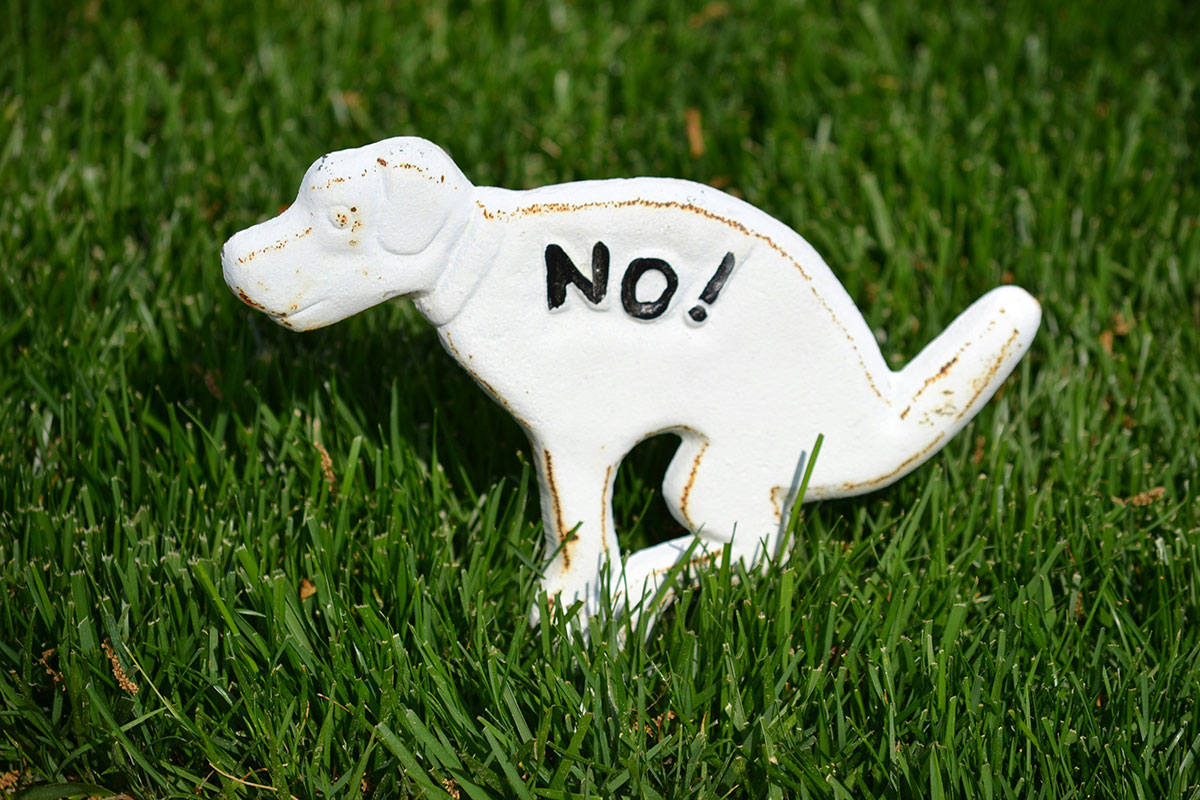
Tag: Dog Health

Dog Health – Poop Patrol Essex

At Poop Patrol, we know that caring for your dog’s health is about more than just daily walks and the right food – it’s also about keeping their environment clean, safe, and free from harmful bacteria. Based in Essex and serving areas such as Colchester, Clacton-on-Sea, Frinton, Harwich, Alresford, Wivenhoe, Dedham, and Walton-on-the-Naze, our professional dog waste removal service helps families, homeowners, and pet lovers create healthier outdoor spaces for their pets and their people.

Why Dog Health Matters Every Day

Dog health is influenced by everything from diet and exercise to hygiene and routine veterinary care. One area that’s often overlooked is the impact of dog waste. Left uncollected, dog mess isn’t just unpleasant – it can harbour dangerous parasites and bacteria such as E. coli, salmonella, and roundworms, which can pose risks to dogs, other pets, and even children playing in the garden. By keeping your garden or shared outdoor space clean, you’re giving your dog the best chance to thrive in a healthy environment.

How Poop Patrol Supports Dog Health in Essex

Our service is designed to make pet ownership easier while directly supporting your dog’s wellbeing. We visit your property on a schedule that suits you – whether that’s weekly, fortnightly, or on demand – and thoroughly clear and sanitise affected areas. This means your dog always has a clean, hygienic space to enjoy.

The key benefits include:

  • Reduced risk of illness – A clean environment helps protect your dog from harmful parasites and bacteria.

  • Safe play spaces – Whether you have kids, other pets, or frequent visitors, our work ensures your garden remains safe and welcoming.

  • Stress-free ownership – No more worrying about messy clean-ups; we do the hard work so you can spend quality time with your pet.

  • Local expertise – As an Essex-based business, we understand the needs of dog owners across Colchester, Clacton, Frinton, Harwich, Dedham, and Walton-on-the-Naze.

Dog Health Tips for Essex Pet Owners

Beyond waste removal, here are some simple steps every dog owner can take to support their dog’s health:

  • Regular exercise – Make the most of Essex’s parks, beaches, and countryside to give your dog fresh air and exercise.

  • Balanced diet – Choose food that matches your dog’s breed, size, and energy levels.

  • Routine vet visits – Annual check-ups and vaccinations are essential for long-term health.

  • Parasite prevention – Stay up to date with worming and flea treatments.

  • Hygienic living spaces – Keep gardens and outdoor areas clean with the help of services like Poop Patrol.

Poop Patrol – Always There for Dog Health

Our motto is simple: we’re here to make pet ownership cleaner, easier, and healthier. With a friendly team, affordable service packages, and coverage across Essex towns including Colchester, Clacton, Frinton, Dedham, Harwich, and Walton, Poop Patrol is the trusted choice for families who care about dog health and a cleaner community.

For fresher gardens, safer play areas, and healthier dogs, Poop Patrol is #AlwaysThere.

Domestic Allergens: What Pet Owners Need to Know this World Allergen Week

Domestic Allergens: What Pet Owners Need to Know this World Allergen Week

Every morning, Claire walks her dog through the quiet backstreets of Frinton-on-Sea. She adores her Labrador, Max—but recently, her son’s asthma symptoms have been worsening, and her daughter has developed an itchy rash that won’t go away. The GP suggested allergies, but Claire was baffled. Their home is clean, and she changes the bedding regularly. It wasn’t until she looked deeper into the role of domestic allergens—especially those linked to pets and outdoor contaminants—that things began to make sense.
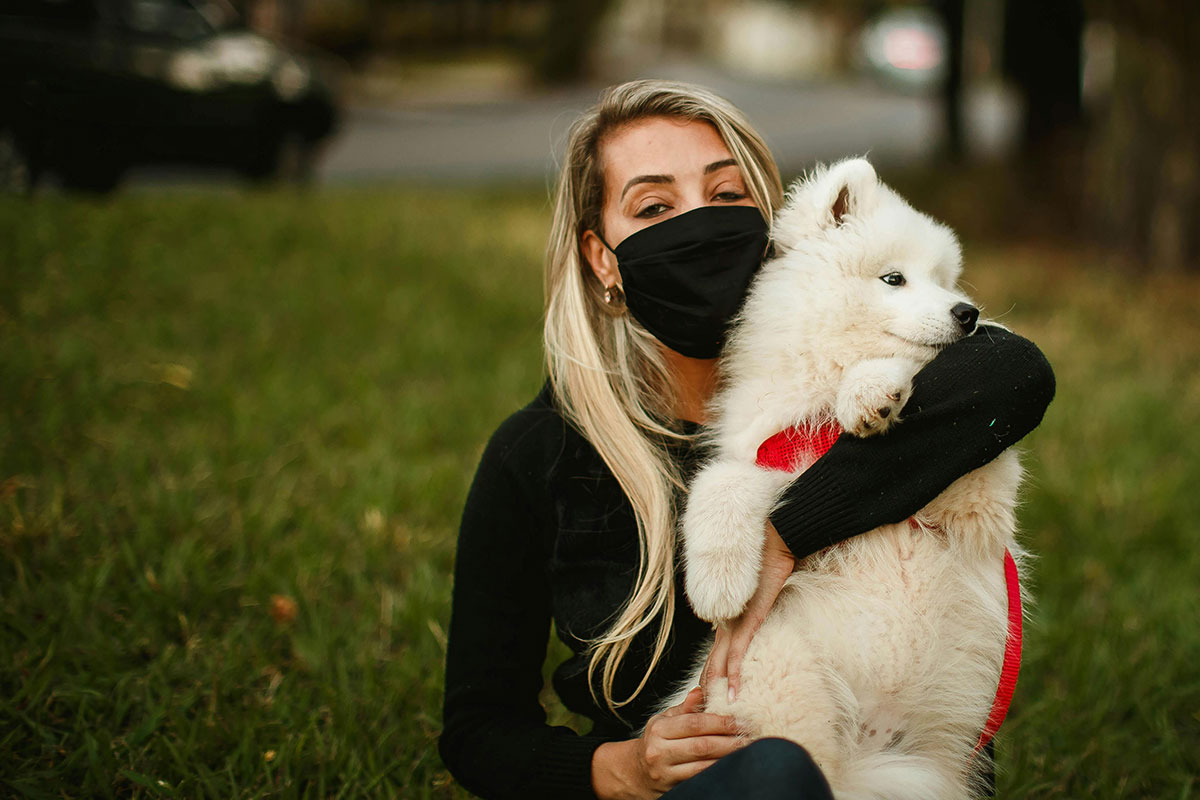
Poop Patrol considers what dog owners need to think about to avoid allergens linked to their pets becoming a problem.

Domestic Allergens & Pets: The Hidden Connection

This World Allergen Week, we’re reminded that allergens don’t just come from pollen or dust—they can be carried into the home by our beloved animals, too. According to Allergy UK, pet allergens are found in 50% of homes, even those without pets. From proteins in animal saliva and dander, to pollen, mould, and even faecal traces brought in on paws—your pet could be an unwitting allergen delivery system.

At Poop Patrol, we see this issue daily across Essex and Suffolk. It’s not just about visible pet mess—it’s about what’s invisible, too. Faeces left in gardens or on pavements can dry out and become airborne particles. And while this isn’t something most homeowners like to think about, it directly contributes to poor air quality and allergy symptoms—especially for children playing outside.

Why Pet Owners Should Take Domestic Allergens Seriously

Pets are part of the family—but their presence can increase the allergen load inside your home. Even short-haired or hypoallergenic breeds shed dander, and pets who spend time outside can bring in pollen, spores, and other irritants.

Public Health England warns that indoor air quality is closely linked to outdoor hygiene, particularly in urban and suburban areas. If pavements, gardens, or shared green spaces are contaminated with animal waste—even trace amounts—there’s a higher risk of allergens and pathogens entering your home via shoes, paws, or airborne drift.

Children and those with asthma or eczema are particularly vulnerable. Repeated low-level exposure to allergens, especially from animal proteins, can lead to increased sensitivity or more severe reactions over time.

Keeping Allergens at Bay: Practical Steps for Pet Owners

Responsible pet ownership is about more than feeding and walking—it’s also about protecting your family and neighbours from allergen exposure. Here’s how:

  • Clean paws and coats after walks, especially during allergy seasons

  • Regular grooming to reduce dander and shedding

  • Clean up pet waste daily, especially from gardens, patios, or driveways

  • Disinfect outdoor areas used by pets

  • Avoid tracking allergens indoors by removing shoes and using mats

This is where Poop Patrol can help. We offer reliable, discreet pet waste removal for homes across North Essex and South Suffolk. Whether it’s a one-off deep clean or a regular garden hygiene service, our goal is simple: to help keep your home and outdoor spaces healthier, cleaner, and allergen-aware.

Allergens Don’t Stay Outside—Let’s Keep Them Out Together

During World Allergen Week, it’s important to look beyond obvious triggers and consider what pets may be bringing into our homes. You don’t have to choose between loving your pets and protecting your health—it just takes the right habits and a little help.

After all, your dog may not mean to bring the outside in—but with the right support, you can stop allergens in their tracks. Isn’t it time you took a closer look at what’s really clinging to those paws?

Contact Us

Don’t let pet waste become a hidden health hazard. Poop Patrol keeps your garden clean, safe, and allergen-aware with reliable pet waste removal.


📞 Call 0800 148 8088 or use our contact form below to book your first clear-up today!

Name
How Many Dogs Do You Have?
Do You Require De-Odourising Services As Well?
Do You Want To Hear More From Us?
Communications Preferences
By agreeing to this, I agree to receiving updates about our services, promotions, special offers, news and events from Infinity ProServ Ltd (T/a Poop Patrol) and any sister companies.

Continue reading

National Pet Microchipping Month: Uncovering the Hidden Challenges

National Pet Microchipping Month: Uncovering the Hidden Challenges

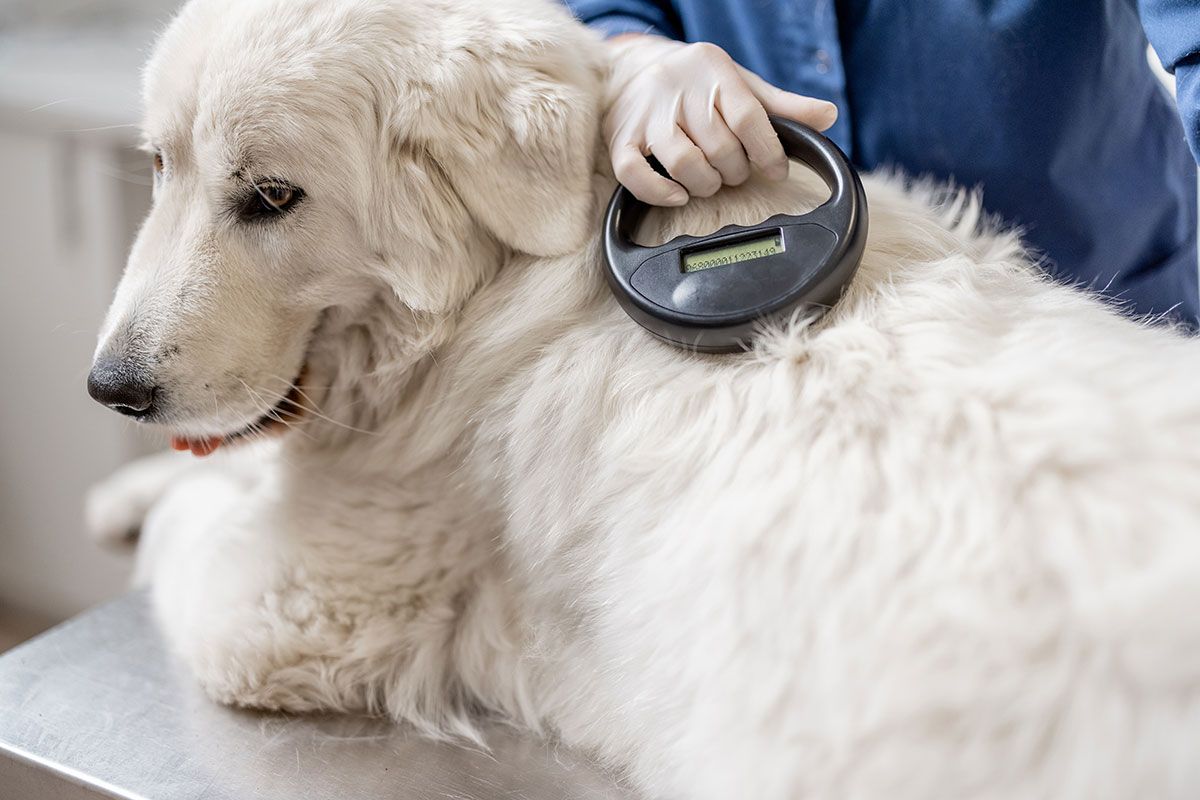
June marks National Pet Microchipping Month in the UK—a time dedicated to raising awareness about the importance of microchipping our beloved pets. While microchipping has proven invaluable in reuniting lost animals with their owners, it’s essential to shed light on the challenges and issues that can arise, particularly for dog owners.

Poop Patrol looks at the importance of microchipping your dogs and pets to keep them safe during National Pet Microchipping Week.

The Promise and Pitfalls of Microchipping

Microchipping is a legal requirement for dogs in the UK, mandated since April 2016. Despite this, the percentage of microchipped dogs has seen a decline, dropping from 93% in 2017 to 87% in 2024 . This decrease raises concerns about awareness and compliance among pet owners.

One significant issue is the failure to keep contact details up to date. Even if a dog is microchipped, outdated information can hinder the reunification process. Petlog, a leading UK pet microchipping database, emphasises that many lost pets cannot be returned to their owners due to incorrect or outdated contact details .

Technical Challenges: When Microchips Fail

While microchips are generally reliable, technical problems can occur. In rare cases, microchips may migrate from their original implantation site, making them difficult to locate during scanning. Additionally, some microchips can fail over time, rendering them unreadable . Regular veterinary check-ups can help ensure that microchips remain functional and correctly positioned.

Human Factors: Awareness and Responsibility

Beyond technical issues, human factors play a crucial role in the effectiveness of microchipping. A study revealed that 62% of cat owners were unaware of the database their pet’s microchip was registered on. While this statistic pertains to cats, it underscores a broader issue of owner awareness and responsibility that likely extends to dog owners as well.

Furthermore, the emotional toll of losing a pet cannot be overstated. The distress experienced by owners when a pet goes missing is exacerbated when microchipping fails to facilitate a reunion due to outdated information or technical failures.

Regional Insights: The Role of Local Initiatives

In regions like North Essex and South Suffolk, local initiatives play a vital role in promoting responsible pet ownership. Poop Patrol, a community-focused organisation operating in these areas, emphasises the importance of not only cleaning up after pets but also ensuring their safety through proper microchipping practices.

Conclusion

While microchipping remains a cornerstone of pet safety and identification, it’s not without its challenges. Technical issues, such as chip migration or failure, combined with human factors like outdated contact information, can impede the reunification of lost pets with their owners. As we observe National Pet Microchipping Month, it’s imperative for dog owners to not only microchip their pets but also regularly verify the functionality of the chip and ensure that their contact details are current.

Poop Patrol encourages all pet owners to take proactive steps in safeguarding their pets. After all, isn’t it better to address potential microchipping problems now than to face the heartache of a lost pet later?

Contact Us

Whilst we might not be able to help with your microchipping needs, Poop Patrol is here to help you keep your gardens and outside spaces clean and free of dog poop! For more information on any of our services, either call 0800 148 8088 or complete the form below:

Name
How Many Dogs Do You Have?
Do You Require De-Odourising Services As Well?
Do You Want To Hear More From Us?
Communications Preferences
By agreeing to this, I agree to receiving updates about our services, promotions, special offers, news and events from Infinity ProServ Ltd (T/a Poop Patrol) and any sister companies.

Continue reading

Poop Patrol Garden Rescue For Colchester Homeowner

Poop Patrol’s Garden Rescue For a Colchester Homeowner

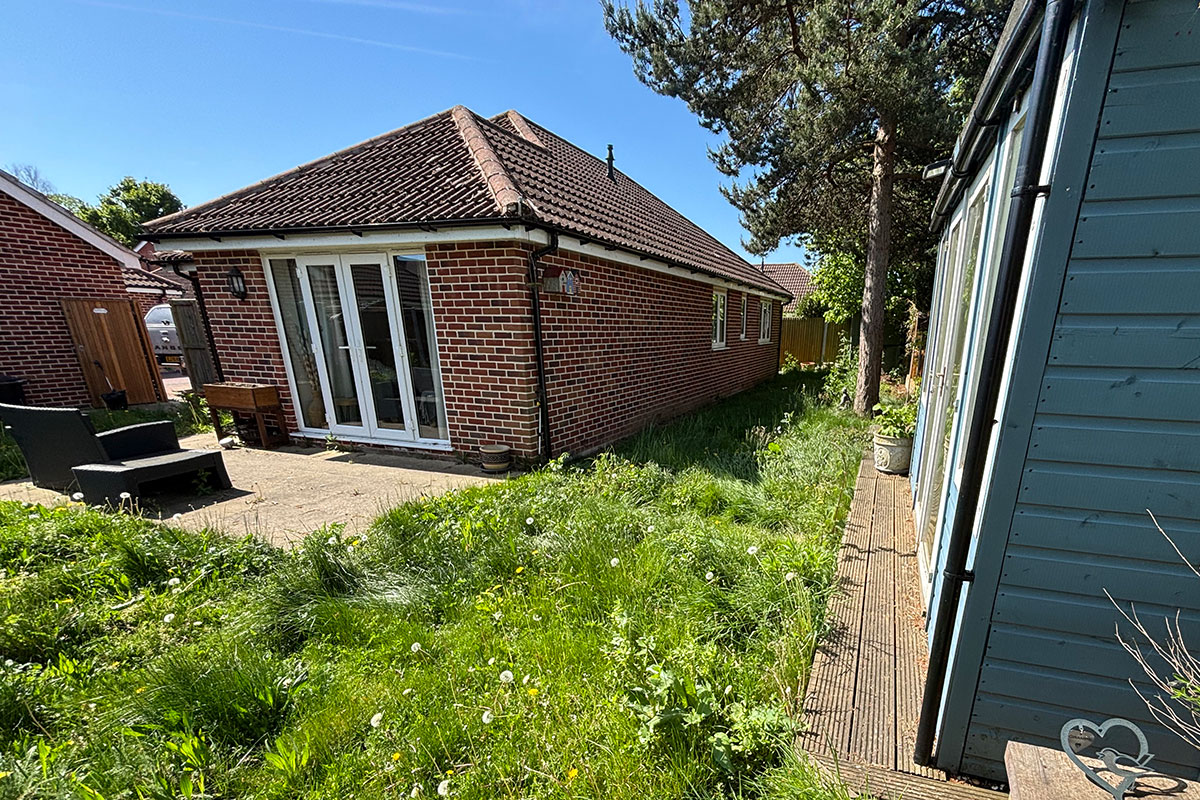
A Colchester homeowner’s family recently contacted Poop Patrol to complete a garden rescue after the mother had been struggling for several months to maintain her garden. Due to a serious ongoing back condition, she had been unable to remove her dog’s waste or cut the grass, leading to a significant build-up of mess and overgrowth.

Her adult children, concerned about the condition of the garden and the effort required to get it back under control, decided to call in some help. They reached out to Poop Patrol to manage the clean-up.

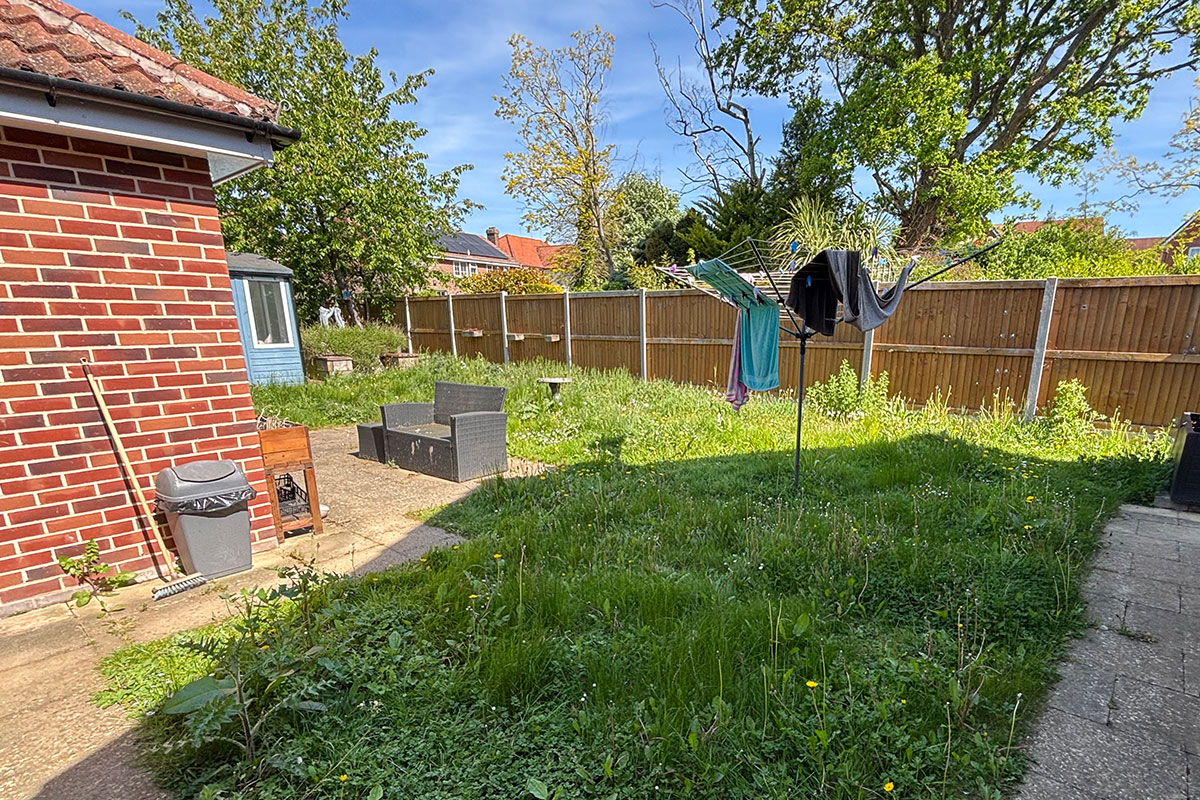
  • Poop Patrol were greeted at this home in Colchester with overgrown grass and an excess of dog waste.

  • As is usual, the dog had selected this section of the garden to defecate, meaning a significant amount of waste was collected in this area.

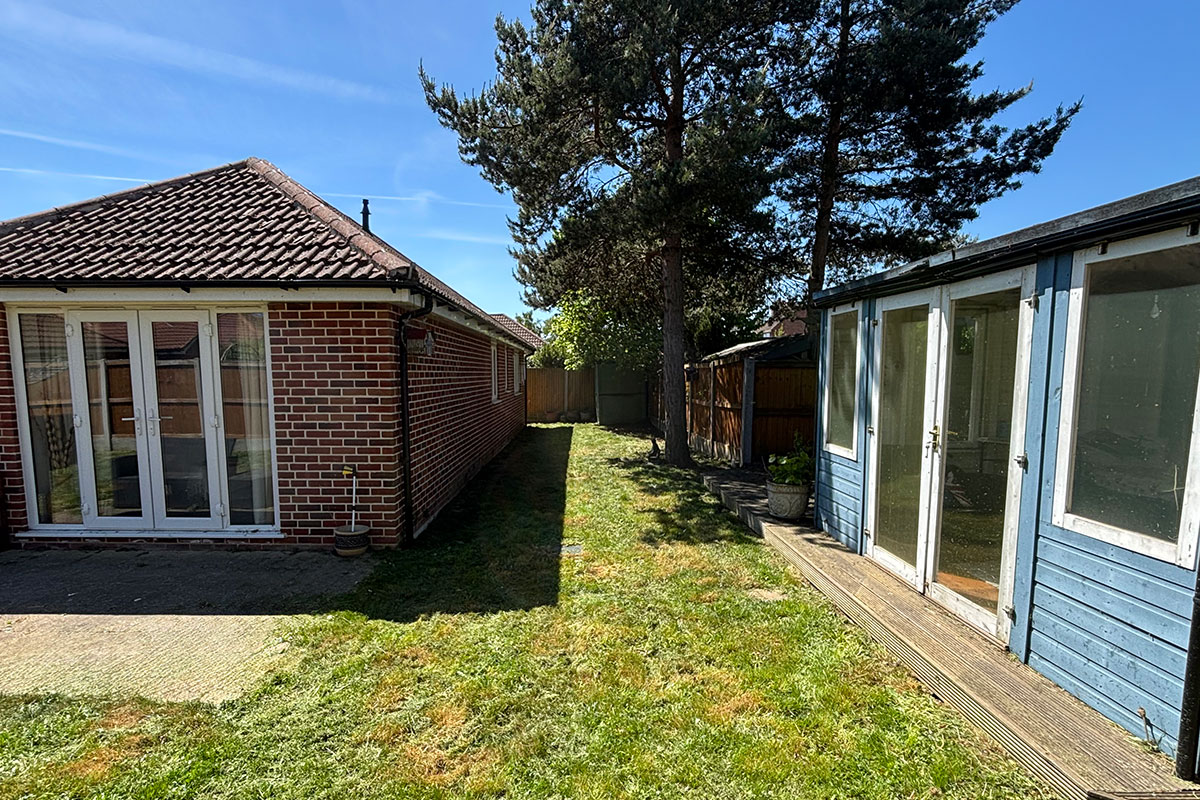
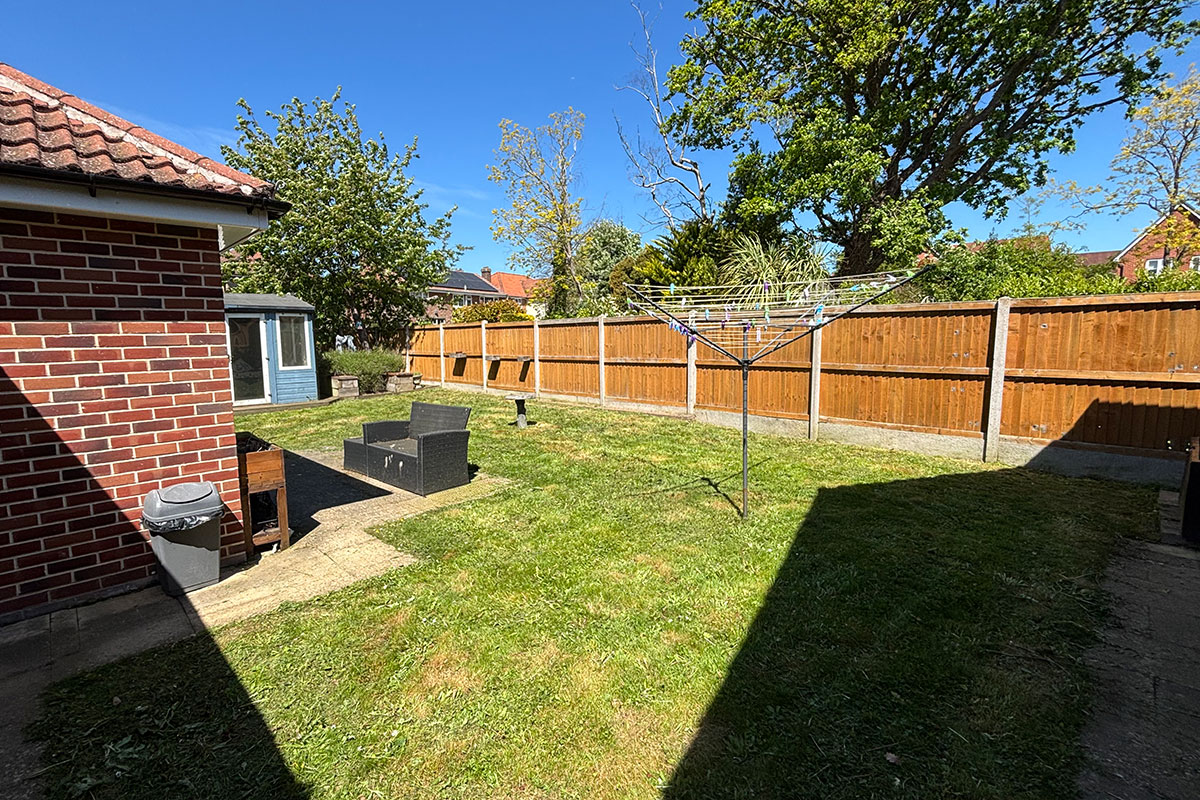
  • Systematic dog waste pick-up was carried out, and then careful reduction of the grass height to ensure no dog was was unduly spread!

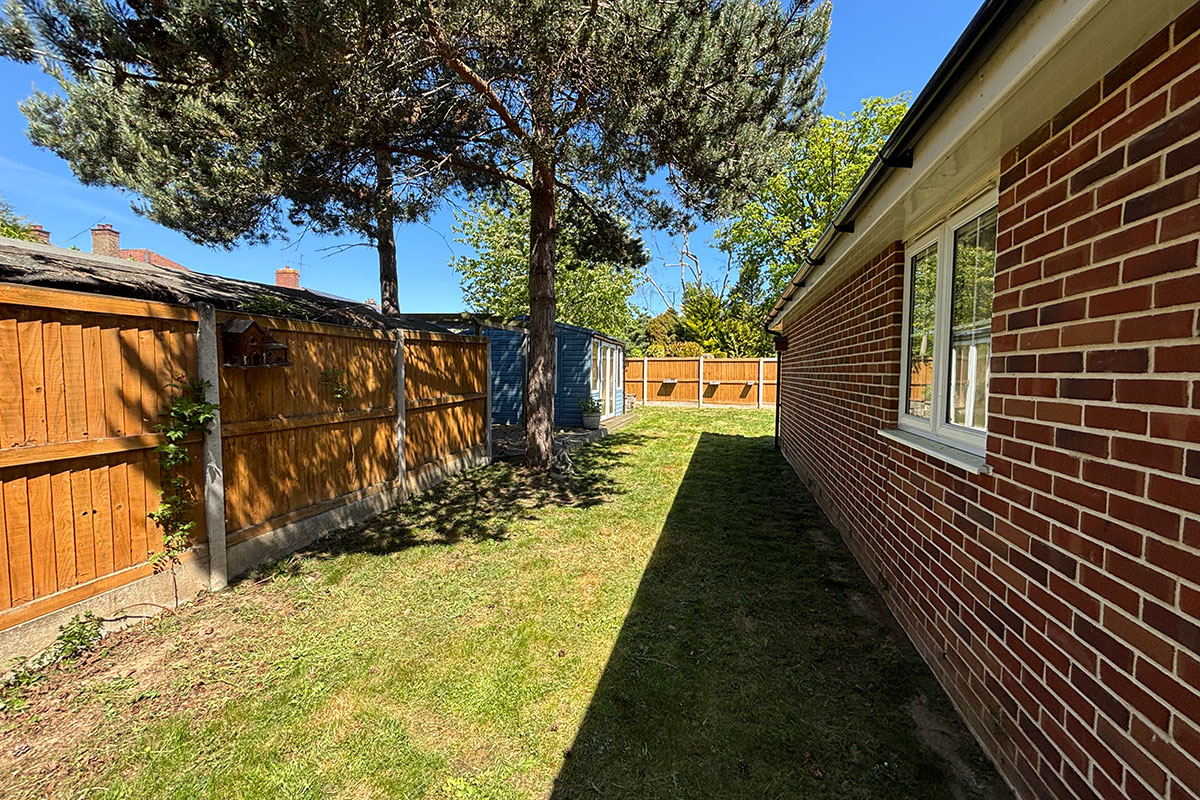
  • The result was one happy homeowner was now able to keep on top of their garden waste and dog poop collection once more!

Garden Rescue in Colchester

On arrival, our team found a typical domestic garden that had become heavily overgrown. The grass had grown long during an extended dry spell, and a large amount of dog waste had accumulated over time due to the client’s inability to clear it up.

The garden rescue was carried out in two parts:

  1. Dog waste removal – All visible waste was removed and the area thoroughly checked to ensure nothing was missed.

  2. Grass management – The grass was carefully cut back to a manageable height, but not scalped. This was done to protect the lawn from long-term damage, especially during dry weather conditions.

The team worked efficiently and respectfully, ensuring the garden was safe, tidy, and left in a condition that the homeowner could now maintain or arrange regular support for, if needed.

A Practical Solution for Challenging Circumstances

This project in Colchester is a perfect example of how Poop Patrol is more than just a poop-cleaning service. We understand that life can throw challenges your way, and sometimes even small tasks can become unmanageable. Whether due to age, illness, disability, or a busy lifestyle, we’re here to help keep outdoor spaces safe, sanitary, and enjoyable again.

The homeowner and her family were immensely grateful — not just for the transformation of the garden, but for the respectful and non-judgmental service they received.

Need Help With Dog Waste or Garden Overgrowth?

If you or a loved one is struggling to keep on top of things — whether due to injury, illness, or just a busy life — Poop Patrol can help. We offer reliable and discreet one-off clearances and regular visits across Colchester and the surrounding areas. Simply call 0800 148 8088 or complete the form below for your own garden rescue.

Name
How Many Dogs Do You Have?
Do You Require De-Odourising Services As Well?
Do You Want To Hear More From Us?
Communications Preferences
By agreeing to this, I agree to receiving updates about our services, promotions, special offers, news and events from Infinity ProServ Ltd (T/a Poop Patrol) and any sister companies.

Continue reading

Celebrating World Veterinary Day: Honouring the Heroes Behind Our Pets’ Health

Celebrating World Veterinary Day: Honouring the Heroes Behind Our Pets’ Health

Last spring, in a quiet village in North Essex, Sarah’s golden retriever, Max, suddenly stopped eating and became lethargic. Panicked, Sarah rushed Max to the local veterinary clinic. The vet, Dr. Thompson, diagnosed Max with a severe gastrointestinal blockage. Thanks to prompt surgical intervention and dedicated post-operative care, Max made a full recovery. Sarah often reflects on that day, grateful for the expertise and compassion that saved her beloved companion.

Stories like Sarah’s are common across the UK, where veterinarians play a crucial role in ensuring the health and well-being of our pets. As we observe World Veterinary Day, it’s an opportune moment to recognise these unsung heroes and understand the challenges they face.

Celebrate World Veterinary  Day and those who work so hard to look after our canine friends.

The Vital Role of Veterinary Care in the UK

The UK boasts a substantial pet population, with approximately 13.5 million dogs and 12.5 million cats residing in households. This translates to 36% of households owning a dog and 29% owning a cat. With such numbers, the demand for veterinary services is immense.

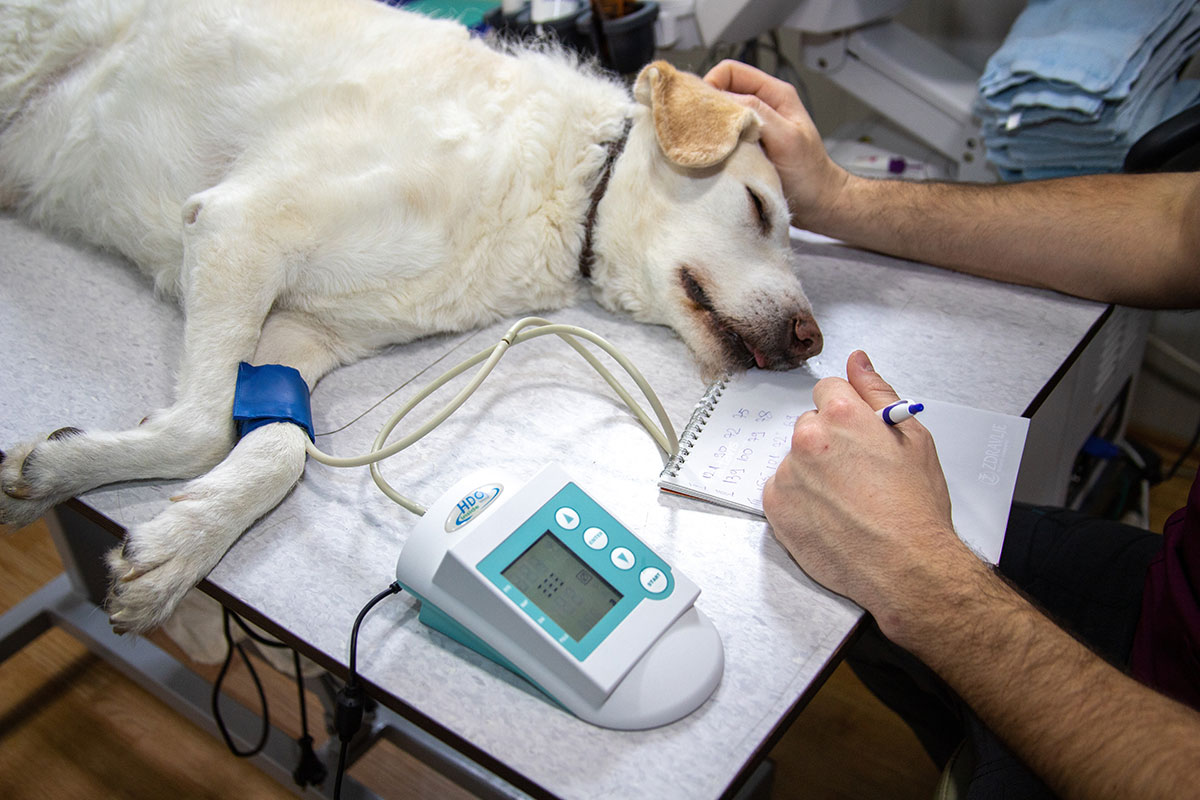
Veterinarians are not only responsible for treating illnesses but also play a pivotal role in preventive care, ensuring pets lead healthy lives. Their responsibilities extend beyond clinics, encompassing areas like public health, food safety, and environmental protection.

Challenges Facing the Veterinary Profession

Despite their indispensable role, the veterinary profession in the UK is grappling with significant challenges. A recent survey revealed that while 94% of animal owners appreciate the veterinary profession, only 41% of veterinarians felt this appreciation was genuine. This disconnect highlights the emotional toll and lack of recognition many vets experience.

Furthermore, the UK is currently facing a shortage of veterinarians, exacerbated by Brexit-related immigration changes and a surge in pet ownership during the COVID-19 lockdown, which added 3.2 million new pets. The number of vets in the country is now 10% below the level needed to meet demand, largely due to a 68% drop in incoming European vets.

The Human-Animal Bond and Its Implications

The bond between humans and their pets is profound. A study led by the University of Kent found that pet ownership significantly improves mental well-being, with benefits comparable to those of marriage or frequent social interactions . This emotional connection underscores the importance of accessible and quality veterinary care.

However, with the rising cost of living, many pet owners find it challenging to afford veterinary services. This financial strain can lead to delayed treatments, adversely affecting pet health and increasing the burden on veterinary professionals.

Addressing the Aftermath: The Importance of Responsible Pet Ownership

The increase in pet ownership has also led to a rise in environmental concerns. An estimated 880 tonnes of dog poo are deposited in UK parks daily . While many owners are diligent, around 520,000 admit to leaving poo unbagged, posing health risks and environmental hazards.

This is where services like Poop Patrol come into play. Operating predominantly in North Essex and South Suffolk, Poop Patrol assists homeowners in maintaining clean and safe outdoor spaces by efficiently removing dog waste. Such services not only enhance community hygiene but also support the broader ecosystem that includes veterinary care.

A Collective Responsibility

World Veterinary Day serves as a reminder of the invaluable contributions of veterinary professionals. As pet owners, our responsibility extends beyond providing love and shelter; it encompasses ensuring their health, well-being, and the cleanliness of our shared environments. By acknowledging the challenges faced by vets and supporting services that promote responsible pet ownership, we contribute to a healthier, more compassionate society.

As we celebrate this day, let’s reflect: How can we, as a community, better support the heroes who care for our beloved pets?

Get In Touch With Poop Patrol

If you, or someone you know requires help to keep their gardens or outdoor spaces free of dog waste, please complete the form below or call us today on 0800 148 8088.

Name
How Many Dogs Do You Have?
Do You Require De-Odourising Services As Well?
Do You Want To Hear More From Us?
Communications Preferences
By agreeing to this, I agree to receiving updates about our services, promotions, special offers, news and events from Infinity ProServ Ltd (T/a Poop Patrol) and any sister companies.

Continue reading

How to Keep Your Pets Safe and Calm on Fireworks Night

How to Keep Your Dogs and Pets Safe and Calm on Fireworks Night

Every year on Bonfire Night, homeowners across the UK gather to enjoy the beautiful displays of fireworks that light up the November sky. But for many pet owners, this season brings a very different experience: the distressing task of keeping pets calm amidst the loud, unexpected booms and flashes.

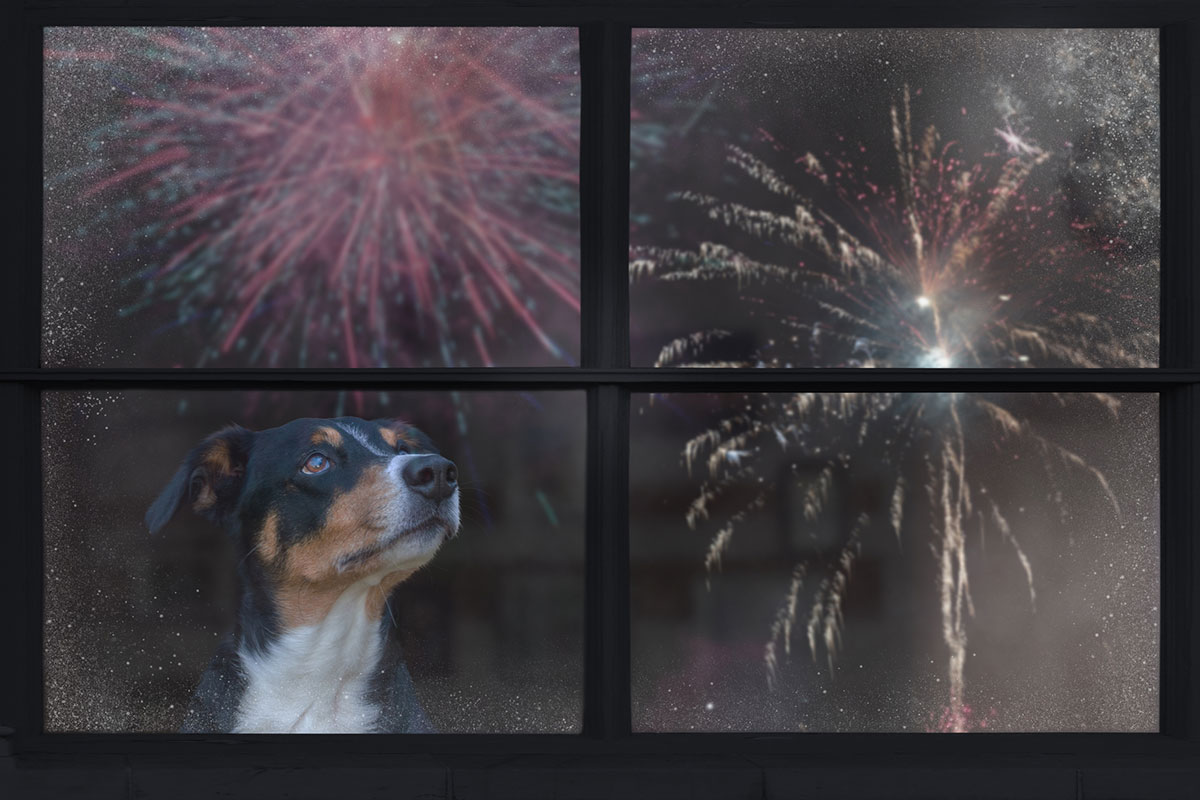
Imagine this: a typical British household, children excitedly watching the fireworks through the windows, while under the sofa, the family dog trembles in fear. Sadly, this is not an unusual scenario. According to research by the RSPCA, approximately 45% of dogs show signs of anxiety during firework events, with symptoms like shaking, excessive barking, or attempts to hide, sometimes causing injury to themselves or damaging the home.

Fireworks night can be a nightmare for dogs and other pets. Poop Patrol looks at ways we can help our furry friends.

Understanding the Fear and Impact on Pets

Loud noises can trigger extreme anxiety in pets, especially dogs. Fireworks are an example of “unpredictable loud noises” that animals simply can’t comprehend or anticipate. Studies have shown that even animals with normally calm temperaments can experience severe distress during firework displays, which often includes pacing, drooling, or even attempting to escape. According to a survey by YouGov, around 62% of UK dog owners report their pets becoming visibly distressed by fireworks, with symptoms that can last long after the noise has subsided.

Beyond the visible effects on pets, there is an impact on families too. A stressed pet can lead to restless nights for the whole household, especially if the animal is vocal or destructive when anxious. Additionally, families must often limit their participation in holiday celebrations to stay close to their pets.

Top Tips to Reduce Fireworks Anxiety in Pets

Keeping your pets safe and calm requires some preparation and creativity. Here are some practical tips:

1. Create a Safe Space: Set up a cosy, secure space for your pet to retreat to, ideally in a room with minimal exposure to outside sounds and lights.

2. Use Calming Products: Products like pet-friendly pheromone diffusers, specially designed blankets, or calming chews can help reduce stress levels.

3. Provide Distractions: Give your pet toys or treats to focus on something other than the noises outside. Engaging activities can help divert their attention and reduce anxiety.

4. Soundproofing Strategies: Close curtains and windows to muffle noise. You can even use background music or white noise to help create a calming atmosphere.

5. Stay Calm Yourself: Pets are sensitive to their owner’s emotions, so if you stay calm, it may help your pet remain more composed.

The Human Element of Pet Anxiety

It’s easy to think of the stress of fireworks as a “pet issue,” but it affects the entire family. When pets are distressed, their owners also experience emotional and physical strain. A survey by Dogs Trust revealed that over 50% of pet owners feel anxious or stressed about managing their pets’ firework-related fears. This can mean disrupted evenings, unexpected vet visits, or even difficulties at work the next day if a pet’s anxiety leads to a restless night. Moreover, veterinary bills for anxiety treatments or injuries related to fireworks can add financial strain.

A Community Approach to Firework Safety

In recent years, some councils in the UK have started encouraging quieter, “pet-friendly” fireworks. In 2018, Sainsbury’s even stopped selling fireworks in their stores in response to the growing concern for pet welfare. While quieter fireworks are a step forward, we still have a way to go. Community awareness and individual action—like educating neighbours about keeping pets calm—are key. Let’s help create a safer experience for all pets and owners on fireworks night by sharing practical strategies and supporting each other.

How Poop Patrol Can Help You Prepare

At Poop Patrol, we understand the challenges pet owners face on nights filled with fireworks, especially in Colchester and surrounding areas where the festivities can be lively. Beyond our regular dog waste removal services, we aim to support local pet owners by helping them create a calm environment free from distractions, like lingering smells in your yard that might add to a pet’s discomfort. We’re here to help keep your pets’ surroundings fresh and comfortable so that you can focus on keeping them calm during these high-stress nights.

A Happy Ending with Fireworks?

Fireworks night can be a challenging time for pets and their owners, but with the right preparation, we can help make the experience easier for our furry friends. At Poop Patrol, we’re ready to support pet owners in Colchester and nearby towns with services that keep pets comfortable and secure.

This Bonfire Night, why not take a few extra steps to ensure your pet feels safe? How will you help your pet have a stress-free firework season?

Continue reading

Debunking Common Myths About Dog Waste: What Every Essex Homeowner Needs to Know

Debunking Common Myths About Dog Waste: What Every Essex Homeowner Needs to Know

Imagine a crisp Saturday morning in Essex. You’re strolling through your garden, enjoying a coffee, when – squish – your foot finds the one spot you missed. “It’s just dog poop; it’ll decompose naturally, right?” you might think. Or perhaps, “It’s gross, but harmless.” You’re not alone—many dog owners believe these myths. However, while dog waste might seem like a minor nuisance, it’s more than just an inconvenient garden feature.

We’re looking to clear up some common misconceptions about dog waste and how it affects your garden, health, and the environment. From potential health risks to the surprising longevity of dog poo in the soil, we’re uncovering the truth. At Poop Patrol, we understand the hassle of regular clean-up and the confusion around what’s true and what isn’t. Let’s dive in and uncover some dog poop myths.

Poop Patrol considers the myths around dog waste in your garden

Myth #1: Dog Poop is “Natural” and Harmless to the Environment

One of the biggest misconceptions is that dog waste is “natural” and will break down quickly in the soil. However, unlike waste from wild animals, dog poo has a different makeup due to their diets. The high protein content in a dog’s diet often leaves waste high in nitrogen, which can be harmful to plants and grass. Dog waste ranks as a serious environmental pollutant, joining categories like herbicides and pesticides.

In fact, dog waste can take up to a year to fully decompose, especially in cold or shaded areas. While it may eventually break down, during this time, it can leach bacteria and parasites into the soil. Studies indicate that a single gram of dog poop can contain up to 23 million faecal coliform bacteria, which can easily seep into water sources and contaminate local rivers and lakes (Centers for Disease Control and Prevention, 2019).

Myth #2: Dog Waste Isn’t a Health Hazard

Many homeowners think dog waste is merely unpleasant to look at but not particularly harmful. Unfortunately, dog poop poses real health risks for both humans and pets. It can harbour pathogens like E. coli, salmonella, and various parasites, including roundworms and hookworms. These organisms can live in the soil long after the waste itself has decomposed, creating a persistent health risk.

Children who play in the garden are particularly vulnerable since they may come into contact with contaminated soil. An American survey by the CDC found that pet waste can be a contributing factor to nearly 20% of reported cases of bacterial infections transmitted from animals to humans in urban environments (CDC, 2020).

Myth #3: Leaving Dog Waste in the Yard Will Fertilise the Grass

Some people believe that dog faeces acts like fertiliser, helping plants and grass grow. While cow manure may be used in some fertilisers, dog waste is very different and can actually be detrimental to your yard. The high nitrogen and acidic levels in dog waste can burn the grass, creating yellow and dead patches. If you’ve noticed certain parts of your lawn look worse after dog poop exposure, this is likely why.

In Essex, where many gardens are limited in size, maintaining a clean and vibrant garden can be challenging enough without the added strain of nitrogen-heavy pet waste. Poop Patrol provides reliable waste removal, ensuring that you can keep your lawn healthy without the worry of poop damage.

Myth #4: Dog Waste Removal Services are Only for Busy or Elderly People

It’s a common misconception that hiring a professional dog waste removal service is only for those who are physically unable to clean up after their pets. But the reality is that anyone with a busy schedule or a desire for a cleaner garden can benefit. Dog poop removal services save you time, reduce stress, and create a cleaner environment for both pets and humans.

In North Essex and South Suffolk, Poop Patrol offers flexible waste removal plans that suit different needs and schedules, making it easier for homeowners to stay on top of this often-overlooked task.

Myth #5: Dog Poop Disposal is Easy and Doesn’t Need Special Handling

Many people think that simply tossing dog waste in the trash is all that’s needed, but in some areas, dog waste must be disposed of carefully to avoid environmental harm. Dog waste can contaminate waterways if not handled properly. According to Government sources, pet waste is among one of the primary sources of pollution in water runoff, which can contribute to harmful algae blooms and disrupt local ecosystems.

Even when disposed of correctly, dog waste requires regular removal to avoid build-up and potential contamination. Professional services like Poop Patrol are equipped to handle dog poo properly, ensuring that your garden remains safe and that waste disposal complies with local regulations.

Contact Us

Dog poo might seem like an unimportant part of pet ownership, but it’s crucial to understand the potential risks and misunderstandings surrounding it. From health hazards to environmental impact, these myths can lead us to overlook the importance of regular, safe clean-up. By dispelling these misconceptions, we can better protect our families, pets, and the local environment.

So next time you’re in the garden, enjoying the clean air, ask yourself: could your yard benefit from a little extra help in keeping it truly clean? If you think that Poop Patrol could help you out, simply give us a call on 0800 148 8088 or complete the form below:

Name
How Many Dogs Do You Have?
Do You Require De-Odourising Services As Well?
Do You Want To Hear More From Us?
Communications Preferences
By agreeing to this, I agree to receiving updates about our services, promotions, special offers, news and events from Infinity ProServ Ltd (T/a Poop Patrol) and any sister companies.

Continue reading